

Understanding the Dick Smith Fair Go Manifesto
🤝 Explore the Dick Smith Fair Go Manifesto, its focus on fairness, competition & impact on Aussie business culture, highlighting core values and practical effects today.
Edited By
James Mitchell
The Dick Smith Fair Go ad campaign arrived at a time when Aussie shoppers were growing tired of complicated warranty terms and aggressive sales tactics. Dick Smith, already a household name in electronics retail, positioned itself as a champion for the average consumer through this campaign. The core message was simple: fairness and honesty should go hand in hand with good deals.
Instead of the usual sales pitch, the campaign focused on customer protection and clear communication. It promised straightforward returns, reliable product info, and support that didn’t leave shoppers feeling like they’d been taken for a ride. For accountants, IT specialists, marketers, and retail workers, the campaign represented a fresh approach to building trust in a competitive market.
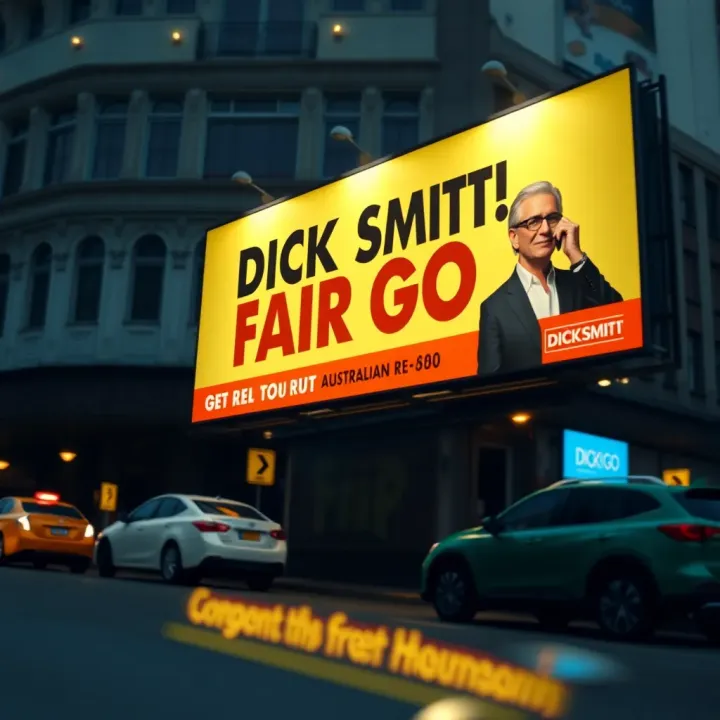
The campaign wasn't only about selling gadgets; it was a statement about respecting the customer’s right to a fair go.
Dick Smith leveraged a few key strategies:
Plain language: Every ad avoided jargon or hidden clauses.
Real-life scenarios: Ads played out situations where shoppers might normally lose out, showing how Dick Smith’s policies made a difference.
Consistency: Promises made in ads were backed by actual store policies, strengthening credibility.
In terms of impact, the campaign helped improve consumer trust, a valuable asset that no amount of discounting can replace. The public response was positive, especially among those who’d felt let down by other retailers. For retail workers, this clarity made dealing with customers smoother, while marketers found a rich example of brand authenticity.
With the Fair Go campaign, Dick Smith carved out more than a marketing win — it made a notable mark on Australian retail culture, emphasising that a fair go isn’t just a saying, it’s a business practice worth sticking to.
The Dick Smith Fair Go ad campaign didn't pop up out of thin air; it was a targeted response to growing consumer frustration and a need to stand out in a crowded retail market. The campaign tapped into the Aussie ideal of a 'fair go', aiming to connect with shoppers who often felt short-changed or confused by complex retail offers.
Dick Smith Labs launched the Fair Go campaign at a time when customers were increasingly wary of big retailers' sneaky pricing or unclear terms. The motivation was simple: build trust by promising customers straightforward deals and standing up for their rights. For example, many tech buyers felt overwhelmed by hidden fees or confusing warranties, so the campaign zeroed in on delivering clarity and honesty.
On a practical level, the campaign was a reaction to competitors pushing flashy but sometimes misleading offers. Dick Smith wanted to cut through the noise by focusing on straightforward pricing and transparent service. This approach not only aimed to build a loyal customer base but to shift consumer expectations within the electronics retail sector.
The campaign had three clear goals. First, to reassure customers that Dick Smith valued fairness over quick sales. This was about more than just talk — it involved clear pricing, straightforward return policies, and genuine after-sales support.
Second, it aimed to increase brand trust. By positioning itself as a champion for the consumer, Dick Smith hoped to win back those who might have felt let down by other tech retailers.
Third, the Fair Go ad was designed to boost sales through these strengthened relationships. It banked on the idea that honest communication and standing up for the customer would translate to repeat business and positive word-of-mouth.
The Fair Go campaign wasn’t just an ad — it was a promise to customers that Dick Smith would keep things fair and transparent, a commitment that resonated strongly with Australian shoppers.
In practice, the campaign showed that even in the fast-moving world of consumer electronics, sticking to plain dealing could work well. It demonstrated that customers appreciate brands that respect their rights and don’t try to trick them with complicated jargon or hidden conditions.
This origin and purpose clearly laid the blueprint for how the Fair Go campaign shaped Dick Smith’s identity during the period and helped it carve out a niche focused on trustworthiness and customer advocacy.
The Dick Smith Fair Go ad carved out its place by focusing on themes that resonated with everyday Aussies — fairness and clear customer rights. Instead of flashy gimmicks, the campaign put real issues front and centre, appealing to consumers who’d had enough of vague promises and tricky fine print. The messaging wasn’t just about selling products; it was about standing up for shoppers and giving them a straightforward go.
At the heart of the campaign was a sharp emphasis on fairness — a principle deeply valued in Australian culture. Dick Smith framed the campaign around giving customers what they deserved: transparent pricing, straightforward return policies, and genuine support when things didn’t go to plan. For example, the ad highlighted scenarios where customers were unfairly hit with hidden charges or complicated return processes by competitors. By contrast, it showed Dick Smith stepping in with no-nonsense guarantees, making it clear they'd back their products and customers.
This focus on fairness also translated into empowering consumers. The campaign reminded viewers about their rights under Australian Consumer Law, nudging people to question unfair treatment. For accountants, IT pros, marketers, retail workers, or teachers, this was a tangible message that encouraged diligent consumer behaviour — from scrutinising warranty details to speaking up when a product wasn’t up to scratch.
The ads weren’t just marketing fluff — they helped everyday buyers feel confident that their concerns mattered and would be address by a business willing to play fair.
The Fair Go campaign went beyond slogans to showcase tangible consumer protection. Transparency was key: pricing was clear, product specs were honest, and terms weren’t hidden behind jargon. For instance, the ads avoided the common retail pitfall of flashing discounts that applied only to limited stock or were riddled with conditions. Instead, Dick Smith promoted straightforward deals accompanied by clear explanations.
On top of that, the campaign stressed proactive customer service, encouraging people to ask questions and get real answers before buying. This approach set Dick Smith apart in retail, where consumer suspicion often runs high. It was a subtle but effective way to build trust by promising no surprises at the checkout or later.
For professionals like marketers or retail staff, this was a reminder that honesty and openness not only protect customers but also build long-lasting brand loyalty. The clarity around consumer rights — from guarantees to refunds — helped demystify what can otherwise be confusing legal territory for many shoppers.
Collectively, these themes made the Fair Go ad memorable and relevant, offering practical benefits that went well beyond the ordinary sales pitch. It showed that standing by fairness and transparency isn't just good for customers — it’s smart business too.
Understanding public response is vital when examining the success of the Dick Smith Fair Go ad campaign. The way consumers react often shapes the brand's reputation and its ability to retain and grow its customer base. This section sheds light on how customers received the campaign and the resulting shifts in trust and loyalty towards Dick Smith.
The Fair Go campaign resonated strongly with many Australians, largely because it tackled issues they were facing directly. Customers appreciated the straightforward message promising fairness and transparency, which wasn't just marketing fluff but backed by tangible policies. For instance, shoppers noted clearer return policies and more honest pricing, which felt like a breath of fresh air in an environment often criticised for hidden fees or confusing terms.
Some consumers took to social media and forums to voice support for the campaign, praising its down-to-earth approach and calling out competitors that didn’t offer similar guarantees. That said, a minority expressed scepticism, questioning whether it was genuinely a shift in values or just clever advertising. This mix of reactions highlights the uneven trust landscape at the time.
The campaign's emphasis on giving customers a fair go led to a measurable boost in trust towards Dick Smith. Surveys conducted after the campaign launch indicated a rise in customer confidence, with many feeling more comfortable buying high-ticket electronics from Dick Smith rather than rivals. Trust like this doesn't form overnight — it reflected consistent follow-up actions like staff training on customer service and easier complaint resolution.
Loyalty followed the increase in trust. Repeat customers became more frequent, drawn by the perception that the company genuinely had their backs. This loyalty translated into a more stable revenue stream and better word-of-mouth recommendations. It’s worth noting that some anecdotal reports from sales staff suggested customers would occasionally mention the Fair Go campaign during their purchase decisions, signalling its direct impact.
Dick Smith managed to turn a simple fairness message into a trust-building tool that not only improved customer satisfaction but also reshaped their brand image for the better.
Overall, public response and its impact on brand perception show how an authentic customer-focused approach in marketing can yield real business benefits—not just savvy advertising speak but meaningful change that customers notice and reward.
The Dick Smith Fair Go advertisement carved out a distinctive place in Australian advertising by tapping directly into values that resonate strongly with local consumers. It wasn’t just another retail promotion; it reflected a broader cultural expectation that businesses play fair and treat customers with straightforward honesty. This approach helped the campaign stand out amid a sea of glossy, over-hyped adverts.
Aussies pride themselves on fairness, mateship, and giving everyone a fair go—principles deeply embedded in the national identity. The Fair Go campaign mirrored these ideas by promising transparency and defending consumer rights, which struck a chord with many shoppers. Instead of relying on flashy gimmicks or hard sells, the campaign spoke the language of the average Aussie, emphasising decency and trust. For example, the ad deliberately avoided puffery and instead showcased real complaints and practical solutions, reinforcing the sense that Dick Smith was looking out for the everyday punter. This genuine tone aligned well with cultural expectations around business conduct.
Compared to other Australian retail campaigns, which often focus on price slashing or product features, the Fair Go message put customer fairness front and centre. While campaigns such as Bunnings’ "Lowest Prices Are Just the Start" highlight cost savings, Dick Smith’s emphasis was more about protecting shopper interests, especially in tech retail where fine print and warranties can be confusing. This distinguished Dick Smith from competitors who relied heavily on promotional hype.
Also, the campaign’s style—plainspoken and to the point—contrasted with more polished or celebrity-driven advertisements seen in retail. For instance, the Coles "Down Down" campaign uses catchy jingles and repetition to build brand awareness, whereas Fair Go built trust through directness and advocacy. This not only helped Dick Smith connect on a personal level but also established a sense of credibility that other campaigns often miss.
The Fair Go campaign’s strength lay in its ability to embody national values of fairness and honesty while clearly differentiating itself from typical retail ads focused solely on price or spectacle.
In short, the campaign’s role within Australian advertising culture extends beyond just moving products. It reinforced ethical customer relationships and set a benchmark for retail honesty, reminding other brands that real connection comes from respect and straightforward communication. This has practical benefits for both consumers and businesses willing to adopt a similar approach.
The Dick Smith Fair Go campaign teaches valuable lessons about connecting with consumers genuinely while standing up for their rights. It wasn’t just an ad; it was a direct call-out to unfair practices, reflecting everyday Aussie experiences with a touch of straightforward honesty. These qualities make the campaign particularly relevant for businesses aiming to build lasting trust and offer consumers real value.
Other brands can draw important insights from the Fair Go campaign’s clear, no-nonsense approach. First off, communicating with plain language rather than corporate jargon made the message accessible. For example, the campaign's straightforward calls for transparency in pricing and clear warranty terms helped demystify retail practices that often confuse shoppers.
Secondly, consistency was key. Dick Smith maintained a firm stance on fairness across all touchpoints—from TV ads to in-store signage—reinforcing their promise effectively. Retailers often miss the mark by sending mixed messages, but fair dinkum consistency helps customers feel respected and understood.
Additionally, the campaign demonstrated the power of putting the consumer front and centre. Brands that actively address concerns around refunds, returns, and support—like Dick Smith did—show they value their customers beyond the till. It’s worth noting how Dick Smith’s commitment to real complaints handling created an authentic customer bond, rather than just lip service.
The campaign didn't just boost the store's rep; it spotlighted consumer rights across the wider Aussie market. People began recognising their rights to clear info, fair treatment, and accessible remedies. This kind of awareness encourages shoppers to hold retailers accountable.
Moreover, the campaign inspired conversations beyond retail, emphasising the need for transparency in service sectors, too. For instance, it nudged some banks and telcos to revisit their terms and engagement strategies, knowing consumers were looking for fairness, not fine print.
The Fair Go ad moved from a marketing pitch to a sort of consumer advocacy anthem, making Australians feel empowered to demand straightforward, honest service.
As a result, consumer advocacy groups found new momentum. The campaign's success highlighted how straightforward communication and fair treatment can shift expectations and improve industry standards. It's a reminder that brands can be more than sellers—they can be advocates for change.
In short, the Dick Smith Fair Go campaign offers practical lessons on embedding fairness into all aspects of business. Other brands who take a leaf from its book might not only win customers but also encourage stronger consumer protection across industries.
🤝 Explore the Dick Smith Fair Go Manifesto, its focus on fairness, competition & impact on Aussie business culture, highlighting core values and practical effects today.

🎰 Fair Go Casino offers Aussie players top pokies, secure payment options, smooth gameplay & solid licences. Get tips for great fun & fair wins down under!

Discover Fair Go Casino's latest features, game variety, and secure Aussie-friendly platform. Get the real scoop on player perks and support! 🎲🦘🔒

🎰 Fair Go Casino offers a straightforward gaming experience with easy navigation, a solid game selection, reliable payments, and helpful support to keep things running smoothly.
Based on 12 reviews