

Fair Go Casino Guide for Australian Players
🎲 Explore Fair Go Casino with all you need to know: games, bonuses, banking options, Aussie-friendly support & responsible play for a safe experience.
Edited By
Daniel Foster
Driving in Australia often means needing a valid driver licence, but many migrants and refugees face obstacles obtaining one due to missing formal identification. The Fair Go Driver Licence scheme exists to help these individuals get a legit licence despite this challenge.
This scheme is designed for people who can’t produce the usual ID documents required by state or territory transport authorities — for example, passports or birth certificates. Many migrants who’ve recently arrived or refugees escaping conflict zones often find themselves stuck without these papers, shutting the door on standard licence applications.
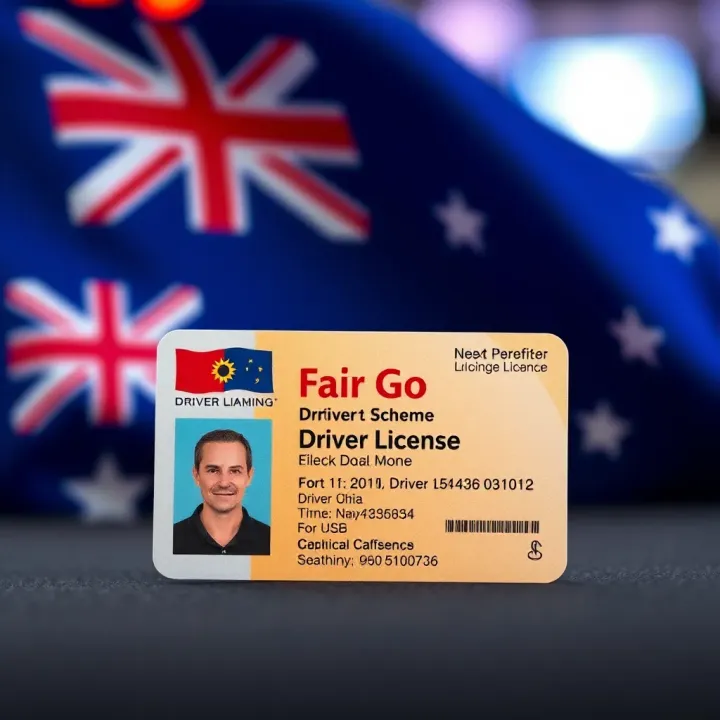
The Fair Go Driver Licence scheme lets eligible applicants prove their identity through alternative means. This might include community references, documents from recognised support agencies, or a series of identity checks carried out locally. It’s a much-needed option for those who want to drive legally but don’t have access to the traditional paperwork.
The key point is the scheme tries to balance road safety and fairness — making sure drivers can be identified and tested properly while recognising the unique barriers newcomers face.
To qualify, applicants usually need to meet criteria such as holding refugee or humanitarian visas, showing proof of residency in a state or territory, and demonstrating a genuine need for a licence (like work or study commitments). The exact requirements can vary by jurisdiction but all share the common goal of providing a fair chance.
Applying involves submitting whatever identity proof you can, plus undertaking the usual tests for learner or provisional licences. Some states offer dedicated support workers or community organisations to help applicants gather acceptable evidence and understand the process.
In a nutshell, the Fair Go Driver Licence is a practical lifeline. It helps those locked out of the traditional licensing system to get a legal licence so they can take up jobs, get to uni, and integrate more smoothly into Australian life.
The Fair Go Driver Licence scheme aims to make it easier for eligible migrants and refugees in Australia to get a driver licence, especially if they lack formal identity documents. This is significant for many who face barriers in proving their identity or residency yet need a licence to access work, education, or essential services.
Many newcomers struggle to provide the standard forms of identification required by transport authorities, such as passports or birth certificates. This can leave people stuck without a licence for years, limiting their mobility and opportunities. The scheme recognises these challenges and offers alternative ways to verify identity and residency, making the process more accessible.
For example, someone arriving on a humanitarian visa without a passport or national ID might provide letters from community leaders or tenancy agreements as proof. The scheme breaks down bureaucratic walls that otherwise prevent such folks from driving legally.
Migrants and refugees often settle in areas with limited public transport, so driving becomes essential. A licence helps them participate more fully in community life, whether it's taking kids to school, attending job interviews, or doing grocery runs.
The Fair Go Driver Licence scheme not only facilitates practical access but also alleviates some of the stress related to navigating Australian legal requirements. It recognises the unique circumstances this group faces and aims to offer a fair chance, hence the name.
Though tailored to specific needs, the scheme operates within the framework of state and territory licensing systems. Licences issued under the Fair Go scheme function like standard learner or provisional licences but come with conditions related to identity verification.
These licences are valid across Australia, meaning a driver doesn’t face issues when travelling interstate. Importantly, the scheme doesn’t compromise road safety standards; applicants still need to pass driving knowledge and practical tests like other drivers.
Each state and territory’s transport department administers the scheme locally, responsible for setting procedures and issuing licences. For example, VicRoads in Victoria and Transport for NSW handle applications within their jurisdictions.
These departments ensure the licences meet regulatory standards while accommodating the scheme’s flexible identity requirements. They also provide guidelines for healthcare checks, driving tests, fees, and renewal processes.
Community groups and legal centres play a pivotal role in guiding applicants through the process. Organisations like the Refugee Council of Australia and local multicultural centres offer advice, assist in gathering documents, and sometimes provide free or low-cost driving lessons.
These agencies help bridge language and cultural gaps that applicants might face, ensuring they understand their rights and responsibilities. For instance, they might organise road safety workshops tailored for newly arrived migrants.
The Fair Go Driver Licence scheme represents a practical response to real-world barriers, combining government oversight with community support to open access to safe, legal driving for those who might otherwise be left behind.
The Fair Go Driver Licence plays a key role in helping people who might struggle to get a regular Australian driver's licence, mainly because they lack formal identification. Knowing who qualifies is critical — this ensures those who really need it can access the scheme and enjoy its benefits like getting to work or education more easily. Let's break down who’s eligible and what kind of proof they’ll need when standard ID just isn’t there.
People holding refugee or humanitarian visas generally meet the primary eligibility for the Fair Go Driver Licence. This group often faces the challenge of not having official documents like passports or birth certificates from their home countries. For example, a refugee who fled conflict zones might not have any formal ID but needs a licence to get to a job or local appointments.
These visa holders are recognised under the scheme because Australia acknowledges the difficulties they encounter with ID documentation. It gives them a practical way to prove residency and identity without jumping through hoops that others with standard documentation don’t face.

Asylum seekers and those holding temporary protection visas can also apply. Their status means they might be waiting on full visa approval and, during this uncertain period, often lack access to typical ID forms. The licence scheme supports these individuals by recognising the importance of mobility for accessing healthcare, legal advice, and employment.
For instance, an asylum seeker living in Sydney may struggle with public transport affordability or availability. Having this licence helps bridge that gap until their residency status settles and standard licences are an option.
Applicants must show proof they reside in the relevant Australian state or territory. This is a key part of preventing misuse and ensuring the system supports local residents. Proof doesn’t need to be traditional forms like a utility bill. Various documents are accepted, which is helpful for those recently arrived or in transitional housing.
A tenancy agreement or a letter from a community organisation confirming residency usually meets the requirement. It’s good to remember that residency proof helps both the applicant and authorities confirm the entitlement without needing more rigid forms of identification.
One of the standout features of the Fair Go Driver Licence is that applicants can use affidavits or letters from community organisations. These are sworn statements vouching for the applicant’s identity and residency. For example, a local migrant support agency might issue such a letter confirming they know the person well and can verify their details.
This approach recognises social connections and institutions as reliable sources of identity confirmation when official documents are missing or impossible to get.
Applicants can also use non-traditional paperwork like school enrolment records—helpful if the applicant or their family has recently moved—or tenancy agreements showing where they live. For instance, a family who just settled in Melbourne might not have paperwork from banks or phone companies yet but can produce school enrolment documents for their children.
These documents act as practical proof of living arrangements, helping fill the gap left by absence of formal ID.
The scheme accepts a variety of official documents besides passports or driver licences. This includes Medicare cards, Centrelink correspondence, or even letters from legal or medical professionals who know the applicant.
Say an applicant is visiting a GP who can confirm their identity, a signed letter from that doctor helps verify who they are. This flexibility makes the scheme really practical for folks in complex situations, ensuring they’re not shut out just because they can’t tick all the usual boxes.
The Fair Go Driver Licence scheme is designed to be practical and inclusive, taking into account the real-life challenges of migrants, refugees, and asylum seekers in Australia who often lack formal ID but need to move about freely.
Understanding the eligibility and evidence requirements helps you or people you work with navigate the process with confidence, avoiding surprises and making sure they have the right support at hand.
Applying for the Fair Go Driver Licence is a key step for many migrants and refugees who don’t have the standard identification documents required for a regular driver licence. It’s a practical way to get behind the wheel legally, which opens up opportunities not just for work but also everyday life—whether it’s picking the kids up from school or getting to medical appointments.
Before anything else, you’ll need to collect documents that prove your identity and residency. The Fair Go scheme understands that some newcomers won’t have passports or birth certificates on hand. That’s why alternative proof like community affidavits or tenancy agreements can be accepted. Having these documents ready helps avoid delays down the line.
Once your documents are in order, the next step usually involves booking a knowledge test and a practical driving exam. You might also need a medical check to confirm you’re fit to drive. These tests ensure you understand road rules and can drive safely. Booking early is a good idea, as waiting times can vary between states and territories.
After passing your tests, you submit your application along with the fees to the relevant transport authority. Fees vary but are generally kept affordable under this scheme. Some community organisations can even help cover or reduce costs. Make sure you double-check your paperwork before submitting to avoid rejections or delays.
Language can be a big hurdle when navigating the application process. Many candidates find the forms and instructions confusing if English isn’t their first language. Luckily, some transport departments offer translated materials or allow an interpreter during tests. Local community groups often provide support here, helping applicants understand requirements and prepare.
It’s important to know what your Fair Go licence allows and what restrictions apply. For example, while it grants legal driving rights, there might be limits on the type of vehicle you can drive or where you can use the licence. Understanding these rules ensures you avoid fines or legal trouble, and community legal centres are good places to seek advice.
Practising driving is essential, especially for those new to Australian roads. However, driving lessons can be costly. Many local councils and community organisations offer free or cheap lessons tailored for Fair Go licence applicants. Taking advantage of these can boost your confidence and improve your chances of passing the practical test.
Getting your Fair Go Driver Licence might take a few steps, but with the right information and support, it’s quite manageable. It’s a ticket to more independence and opportunities, so putting in the effort is well worth it.
Holding a Fair Go Driver Licence offers tangible advantages beyond just the ability to get behind the wheel. For migrants and refugees, this licence opens doors in both social life and the economic sphere. It builds independence and integration, which are often hindered by lack of formal identification or previous driving history.
Having a driver's licence significantly widens job prospects, especially in areas with limited public transport. For example, someone working in retail on Sydney's outskirts or a tradesperson travelling between sites across Melbourne will find access to reliable transport essential. This licence removes a typical barrier for people starting fresh in Australia, enabling them to take on roles that would otherwise be out of reach.
A driver's licence isn't just about work; it's also how people stay connected socially. With a Fair Go Driver Licence, individuals can visit family or attend cultural events more easily. It also means better access to community facilities like libraries, sports clubs, or places of worship. This forms a key part of feeling settled and included in the local area, which can be hard when public transport options are limited.
Getting around to health appointments, TAFE, or kids' schools becomes much simpler with a driver's licence. For instance, attending evening language classes or medical check-ups is more manageable without relying on buses that may not run late or on weekends. This practical benefit directly supports settling-in processes and helps build a foundation for longer-term success in Australia.
The Fair Go Driver Licence allows holders to drive legally within the issuing state or territory. It covers standard vehicles up to a certain size, similar to a regular learner or provisional licence. This means licence holders avoid fines or penalties that could arise from driving without authorisation, providing peace of mind and security on the road.
Although primarily issued by individual states or territories, the Fair Go Driver Licence is generally recognised across Australia for legal driving purposes. This recognision supports mobility and flexibility, especially if a licence holder moves interstate for work or family reasons. However, it's wise to check specifics with local transport departments since some conditions might vary.
The Fair Go Driver Licence comes with defined rules, such as restrictions on the type of vehicle or the hours when driving is allowed. For instance, there might be a requirement to display L-plates or limits on carrying passengers. Understanding these conditions is vital to avoid unintentional breaches that could affect the licence's validity or lead to legal issues.
Holding a Fair Go Driver Licence is more than just a permit to drive; it represents a step towards independence, access, and safety within Australian society.
Whether it's for securing a job, participating in community life, or simply getting to appointments, this licence plays a key role in helping new Australians find their feet.
Accessing assistance is a key step in navigating the Fair Go Driver Licence application. Many applicants face hurdles like paperwork complexity, language barriers, or unfamiliarity with legal requirements. Knowing where to find reliable support can make the process smoother and boost chances of success.
Community groups often play a hands-on role in helping applicants prepare their paperwork and understand the requirements. For instance, local refugee support services or multicultural centres frequently offer sessions to explain the Fair Go driver licence eligibility and support with gathering acceptable ID alternatives. These groups might also help book tests or organise interpreters, tailoring support to the needs of diverse communities.
An example is the Asylum Seekers Centre in Sydney, which provides face-to-face assistance for migrants and refugees needing help with licence applications. Similarly, organisations like the Red Cross in Melbourne offer practical workshops focused on building driving knowledge and navigation of the licensing system. Such help is often provided at no or low cost, easing financial pressures.
Beyond application assistance, some legal centres advocate for fairer licensing access and clarify applicants’ rights under the scheme. Legal aid organisations and community legal centres can provide free advice on more complex issues, such as how visa status affects eligibility or how to appeal a licence denial.
For example, the Refugee Legal Centre offers tailored advice about the Fair Go Driver Licence and can guide applicants through administrative hurdles. These services empower applicants to better understand their legal position, preventing misunderstandings that might otherwise cause delays or rejections.
Each state or territory transport department has designated contacts for enquiries about the Fair Go Driver Licence. These offices provide authoritative information on eligibility, document requirements, and appointment booking.
If unsure about steps or needing clarification, contacting your local Department of Transport can clear doubts early. For instance, VicRoads in Victoria has dedicated Fair Go licence officers who respond to questions via phone or in person. NSW Transport Access Coordinators offer similar targeted support, helping applicants navigate the process efficiently.
Government websites often host detailed guides, FAQs, and downloadable resources tailored to the Fair Go scheme. These provide step-by-step instructions, sample forms, and lists of acceptable evidence.
Prospective applicants can access updates or changes to the scheme, saving them the trouble of chasing information through multiple channels. For example, the Queensland Department of Transport’s portal offers an easy-to-follow Fair Go licence handbook that walks through eligibility criteria, supporting documents, and testing requirements.
When applying for the Fair Go Driver Licence, tapping into community and government support networks not only simplifies the process but helps build confidence and a clearer understanding of rights and responsibilities.
Locating the right help early can turn what seems a daunting task into a straightforward and manageable step towards gaining licence freedom.
🎲 Explore Fair Go Casino with all you need to know: games, bonuses, banking options, Aussie-friendly support & responsible play for a safe experience.

🎰 Discover Fair Go Casino Australia with our detailed guide! Explore bonuses, payment methods, safety, and user experience tailored for Aussie players 🇦🇺

🏦 Discover how to make quick, secure deposits at Fair Go Casino with Aussie-friendly payment options, tips on managing your funds, and common issues sorted out.

🎰 Discover how to play your favourite Fair Go Casino games on mobile, enjoy Aussie-friendly bonuses, easy payments & tips for a smooth gaming experience! 📱💰
Based on 8 reviews