
Fair Go Casino Review: Games, Security & Support
Discover Fair Go Casino's latest features, game variety, and secure Aussie-friendly platform. Get the real scoop on player perks and support! 🎲🦘🔒
Edited By
Amelia Ward
Fair Go has been a staple on Australian TV for decades, offering practical help and clear advice on consumer matters. The presenters are the heart of the show, steering conversations and digging into issues that matter to everyday Aussies.
This section sheds light on who these presenters are, what they bring to the table, and why their role matters so much in consumer advocacy. From seasoned journalists to empathetic investigators, each presenter connects with the audience in a way that’s both approachable and trustworthy.
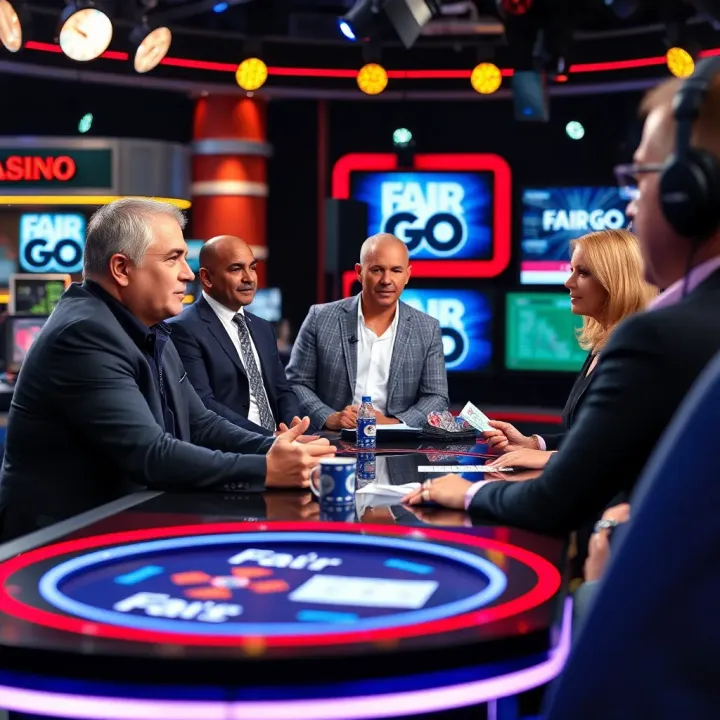
The real strength of Fair Go lies in its presenters’ ability to break down complex consumer problems into relatable stories that viewers can actually use.
Over the years, Fair Go has seen numerous presenters, some becoming household names. Figures like Ross Greenwood and Sophie McNeill have brought a mix of sharp wit and professionalism that helped shape the show’s reputation. Today’s presenters continue this tradition by combining journalistic rigour with a genuine passion for helping people solve consumer problems.
A successful Fair Go presenter isn’t just comfortable in front of a camera; they need to be inquisitive, patient, and clear communicators. They’re often the bridge between frustrating consumer experiences and practical solutions. This mix of skills helps the team build credibility and keeps viewers coming back for essential advice and stories.
Presenters also need a good dose of empathy. That personal touch makes the difference in handling sensitive complaints or challenging disputes. It shows viewers they aren’t just a number or statistic but individuals whose problems deserve attention.
The presenters’ tone is straightforward, avoiding jargon to ensure complex consumer issues are easy to digest. They often incorporate real examples from viewers or highlight scams affecting local communities—making it clear the show is about everyday Australians. This approach builds trust, which is fundamental for a program focused on consumer rights.
The presenters’ ability to handle tough questions and follow through on stories is part of why Fair Go remains influential in shaping consumer protections. Their work often sparks broader discussion, sometimes even leading to policy changes by authorities like ASIC or the ACCC.
In short, the faces behind Fair Go do more than present; they champion fair treatment and empower viewers to stand up for themselves in the marketplace.
Presenters are the lifeblood of Fair Go, bringing energy and credibility to the show. They’re not just faces on the screen; they set the tone and build trust with viewers, who rely on the program to tackle real consumer issues. In a country like Australia, where consumers often face confusing or unfair business practices, fair and clear presentation is vital. Presenters act as the bridge between the consumer’s concerns and practical advice or resolution.
Every presenter brings their own style, which colours how viewers perceive the show. Whether it’s a touch of wit, sincerity, or straightforward no-nonsense delivery, these traits influence Fair Go’s identity. For example, Maryanne Demasi, known for her direct approach, gave the show a sharp investigative edge, while Ross Stitt’s down-to-earth manner connected strongly with everyday Aussies. This personal style helps Fair Go stand out in a crowded media field and makes the content feel more relatable and trustworthy.
The presenters’ backgrounds also shape the show's focus. A presenter with journalism experience might push for deeper investigation, whereas one with a consumer rights background might focus more on advocacy. These perspectives affect which stories get airtime and how they're framed, guiding the show’s mission to empower Australian consumers.
A big part of the presenter’s role is juggling hard-hitting investigations with a tone that keeps viewers engaged, not overwhelmed. Fair Go’s strength lies in tackling serious issues—like dodgy tradespeople or misleading advertising—without sounding too heavy or legalistic. Presenters use clear, accessible language to break down complex matters, making it easier for viewers to understand their rights and options.
Moreover, presenters must be approachable, so consumers feel comfortable sharing their stories or seeking help. For instance, during segments, presenters often meet people in their homes or workplaces, showing empathy and respect. This human connection is vital; otherwise, the show risks becoming just another news programme. Presenters like Ross Greenwood have mastered striking this balance, ensuring the investigative edge isn’t lost but remains accessible to everyday viewers.

Presenters who maintain credibility while staying down-to-earth help Fair Go stay relevant and trusted across generations of consumers.
In summary, the role of presenters in Fair Go goes beyond simply delivering content. They shape the show's identity, making key consumer issues understandable and relatable, and keep the mix of investigation and approachability right on point. That’s why choosing the right presenter is as much a part of the show’s success as the stories themselves.
Understanding the history of Fair Go presenters offers valuable insight into how the show has maintained its relevance and trust among Australian viewers. The presenters aren’t merely faces on screen; they shape the program’s tone and effectiveness in championing consumer rights. Over the years, individuals stepping into this role have had to balance authority with approachability, making the show accessible without losing its investigative bite.
The foundation of Fair Go dates back to the early 1980s, with hosts who set the tone for consumer advocacy on television. One of the pioneering figures was Jim Schembri, whose background in journalism brought a strong investigative edge to the show’s initial seasons. Early presenters were instrumental in establishing Fair Go as a trusted watchdog, often taking on issues like faulty products and unscrupulous businesses that directly affected everyday Aussies.
These founding hosts established the format that combines in-depth research with practical advice, a balance that still defines the show today. Their work not only highlighted consumer problems but also empowered viewers through clear explanations and a no-nonsense attitude. For instance, campaigns led by early presenters helped change legislation around door-to-door sales, proving their influence wasn’t confined to the screen.
Since its inception, Fair Go has featured presenters who became household names, each bringing unique qualities that refreshed the program while respecting its roots. In the 1990s, Mary-Jo Fisher brought a compassionate but direct style, building rapport with both consumers and businesses. Her ability to handle sensitive stories without losing conviction helped the show retain a broad audience.
More recently, Claire Rogers has become a key figure, known for her sharp questioning and tenacity. Through her work, Fair Go has tackled modern challenges like online scams and emerging tech issues, reflecting how the presenters must evolve alongside consumer concerns.
Over time, presenters have been the bridge between viewers and complex consumer issues, adapting their approach to stay relevant and effective.
Today's Fair Go hosts continue a tradition of combining credibility with a relatable presence, ensuring the program remains a trusted voice for consumer advocacy in Australia. Their role underlines the impact presenters have—not just as communicators but as agents of change who influence public opinion and policy.
The success of Fair Go heavily relies on its presenters possessing a unique set of qualities that combine practical consumer know-how with authentic communication skills. The role demands more than just reading off a script; it requires lived experience, empathy, and a genuine passion for standing up for everyday Australians. Without these key traits, the program's connection with its audience would quickly erode.
At its core, Fair Go is about giving consumers a voice. Presenters need sharp advocacy abilities to spot when something’s unfair or misleading, then push for change effectively. This means knowing consumer laws, understanding common pitfalls shoppers face, and having the gumption to call out tricky businesses. For instance, a presenter might highlight dodgy warranty clauses or misleading price tags at a popular retail chain, making sure the issue doesn’t just stay on camera but leads to real improvements. The skill lies in turning complex policy or product issues into clear, practical advice viewers can use.
Viewers don’t just watch Fair Go for facts; they tune in because they trust the presenters. Building that trust means being upfront and relatable without sugar-coating or sensationalising. Presenters often tackle everyday problems, so the language needs to match, avoiding jargon or legalese. Good communication also involves listening well—whether to consumers sharing their stories or to experts who explain the finer details. For example, when investigating faulty appliances from a well-known brand, a presenter’s tone and fairness in dealing with both consumer frustrations and company responses maintain audience respect.
Not every story is easy to cover. Presenters must manage sensitive or upsetting topics with care while still getting the facts across. This can range from scams targeting vulnerable groups to disputes over essential services like electricity or water. Staying calm and professional, even when emotions run high, helps keep the discussion productive. It also reassures viewers that Fair Go is a responsible watchdog. Moreover, presenters need resilience because investigations sometimes hit dead ends or draw criticism. Keeping focussed and handling these bumps confidently is part of what makes a great presenter.
Effective presenters bring a balanced mix of expert knowledge, clear communication, and emotional intelligence. It’s these qualities that help Fair Go stay relevant and trusted across generations.
Together, these traits make presenters not just faces on screen but real champions for consumer fairness in Australia.
Fair Go presenters don’t just turn up on camera with a script in hand; their preparation is a key part of making the show trustworthy and relatable. Getting the background work right ensures the stories are accurate, fair, and impactful for viewers. This means presenters spend a good chunk of their time digging into details and building genuine connections before they even appear on screen.
Thorough research is the backbone of every Fair Go segment. Presenters and their teams dive deep into consumer complaints, product recalls, or service disputes. This includes checking facts, verifying claims, and often sifting through heaps of paperwork. For instance, if a household appliance is under scrutiny, the presenter might test the product themselves or consult with independent experts to get the full picture.
One memorable example involved investigating a local builder accused of poor workmanship. The presenter spent days reviewing building contracts, interviewing affected homeowners, and liaising with consumer watchdogs before confronting the builder on air. This groundwork not only ensured the story was credible but also safeguarded the presenter and the show from legal risks.
Engaging with people affected by consumer issues requires more than just asking questions. Presenters work on building trust so interviewees feel comfortable sharing their experiences honestly. This often means meeting people in their homes or workplaces, listening carefully, and showing empathy.
At the same time, presenters engage with experts—be it consumer advocates, legal advisers, or industry specialists—to provide context and clarity. These expert conversations help break down complex issues for viewers while supporting the presenter’s credibility.
For example, during a segment on mobile phone plan scams, the presenter worked closely with telecommunications experts to explain contract fine print clearly and interviewed victims who’d been caught out. The rapport built on both sides helped the story hit home and gave viewers practical tips to avoid similar pitfalls.
Behind-the-scenes work is what transforms a good story into a fair and trustworthy one. It’s the unseen effort that builds the show's strong bond with its audience.
Solid preparation helps Fair Go presenters tackle tricky topics with confidence and fairness, making sure the consumer’s voice is properly heard every time.
Engaging viewers isn’t just a side benefit for Fair Go presenters — it’s fundamental to the show’s success. Their ability to connect with everyday Australians transforms complex consumer issues into something relatable and manageable. Viewers tune in not only for the facts but to see someone they trust pushing for fairness. This bond helps Fair Go cut through the usual noise of consumer affairs.
Presenters on Fair Go achieve engagement by speaking the language of their viewers — practical, no-nonsense, and clear. They often use real-life examples that resonate with an Aussie audience, making tricky consumer problems easier to understand. For instance, when tackling issues like dodgy car repairs or misleading phone plans, presenters break down the fine print and show viewers how to spot the traps. This approach keeps the viewer’s attention and motivates them to think critically.
Audience engagement also comes from the presenters’ honest, approachable style. Unlike stiff corporate tones you might expect, Fair Go hosts show empathy and humour without losing authority. This mix invites viewers to feel comfortable and confident about the advice given. Plus, interactive segments where consumers share their experiences boost trust and create a sense of community.
Beyond keeping viewers hooked, presenters play a vital role in raising awareness on important consumer rights topics. Their work highlights issues many might overlook, such as unfair contract clauses or unsafe products. This focus not only informs but often sparks broader discussions among viewers and policymakers alike.
Many changes start with a good story that presenters tell well. For example, past episodes exposing dodgy financial services led to inquiries by regulatory bodies like ASIC. By championing the consumer’s cause, presenters push for improvements in industry standards and sometimes even new legislation.
The presenters aren’t just voices on screen; they're catalysts for real change that benefits the wider community.
In short, the way Fair Go presenters engage viewers and spotlight consumer concerns turns the show into more than just entertainment. It becomes a trusted resource that empowers people to know their rights and demand fairness in the marketplace.
Discover Fair Go Casino's latest features, game variety, and secure Aussie-friendly platform. Get the real scoop on player perks and support! 🎲🦘🔒

🤝 Explore the Fair Go Lobby's roots, aims, and influence on Aussie social and economic policies. Learn about its campaigns and ongoing impact today.

🎲 Explore Fair Go Casino with all you need to know: games, bonuses, banking options, Aussie-friendly support & responsible play for a safe experience.

🎰 Discover Fair Go Casino Australia with our detailed guide! Explore bonuses, payment methods, safety, and user experience tailored for Aussie players 🇦🇺
Based on 14 reviews