
Fair Go Casino Review: Games, Security & Support
Discover Fair Go Casino's latest features, game variety, and secure Aussie-friendly platform. Get the real scoop on player perks and support! 🎲🦘🔒
Edited By
Emily Fraser
Recreation shouldn’t be a luxury reserved for a few. The idea behind fair go recreation is simple—making sure that everyone, no matter their background, abilities, or wallet size, gets a fair chance to enjoy leisure activities. Whether it’s joining a local footy game, going for a swim, or participating in arts and crafts, recreation plays a big role in our wellbeing and sense of community.
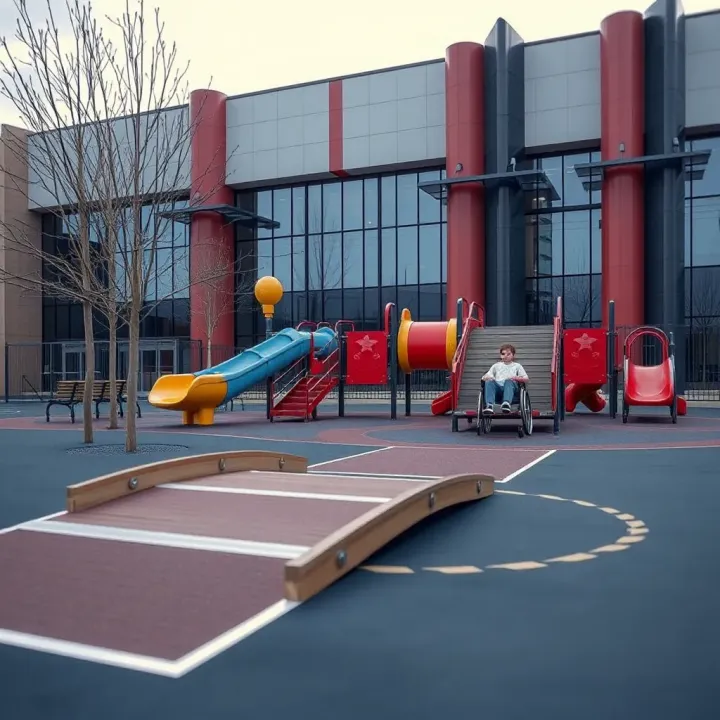
Barriers to access can be subtle or obvious. Sometimes it’s about physical limitations — playgrounds without ramps or footpaths that are tricky for wheelchairs. Other times, it’s financial hurdles; membership fees or equipment costs can put people off. Language and cultural differences also affect participation, especially for migrant communities unfamiliar with local offerings.
Recreation should create bridges, not walls. Ensuring accessible spaces and affordable programs levels the playing field for all Australians.
Design with everyone in mind: Universal design principles mean spaces work well for all ages and abilities.
Cut costs: Subsidies, free events, and loan schemes for sporting gear lower the financial burden.
Promote inclusiveness: Multilingual communication and culturally sensitive programs make communities more welcoming.
Benefits stretch far beyond fun. Regular participation in recreation improves physical health by encouraging activity. Mentally, it reduces stress and enhances social connections, which are key for mental health. Economically, inclusive recreation creates jobs and boosts local businesses, especially when facilities attract visitors.
For professions like accounting, IT, marketing, retail, or education, understanding access to recreation can help shape workplace wellbeing programs or community engagement strategies. Supporting fair go recreation isn’t just about sport or leisure—it's about building healthier, stronger, and more connected communities for all Australians.
Grasping the concept of fair go recreation helps us see why making leisure accessible matters beyond just fun and games. It's about ensuring that everyone, no matter their background or ability, gets an equal chance to enjoy activities that improve their quality of life. This understanding shapes how communities, businesses, and governments work toward inclusive spaces where all Australians feel welcome and can actively participate.
The phrase "fair go" is deeply woven into Australia's identity, embodying the belief that everyone deserves a fair chance. Historically, this value has driven social and workplace reforms, reflecting a commitment to fairness and equality. In recreation, the idea translates into providing all people, including those with disabilities or from culturally diverse backgrounds, the opportunity to engage in leisure activities without discrimination or unnecessary hurdles.
For example, community centres in Melbourne often incorporate ramps and sensory rooms, recognising that children with different needs should be able to join in the fun just like anyone else. This is a practical nod to that Aussie ethos of a fair go, making recreation a shared experience rather than a privilege.
In practical terms, fair go in recreation means removing barriers that keep individuals from participating. It involves designing programs and facilities to be welcoming and adaptable, whether that's providing wheelchair access, offering sessions in multiple languages, or subsidising costs for low-income families.
This approach acknowledges that without intentional effort, some groups might miss out simply due to how services are structured. It’s about levelling the playing field so that access depends on interest and motivation, not on circumstances beyond someone’s control.
Recreation offers more than physical activity; it’s a vital platform for building connections. When facilities and programs embrace inclusivity, they strengthen social bonds, helping to reduce isolation and fostering a sense of belonging.
Take local sporting clubs like those in Brisbane, which often hold multicultural days encouraging newcomers to participate. This not only broadens community ties but also enriches cultural understanding, making everyone feel part of the local fabric.
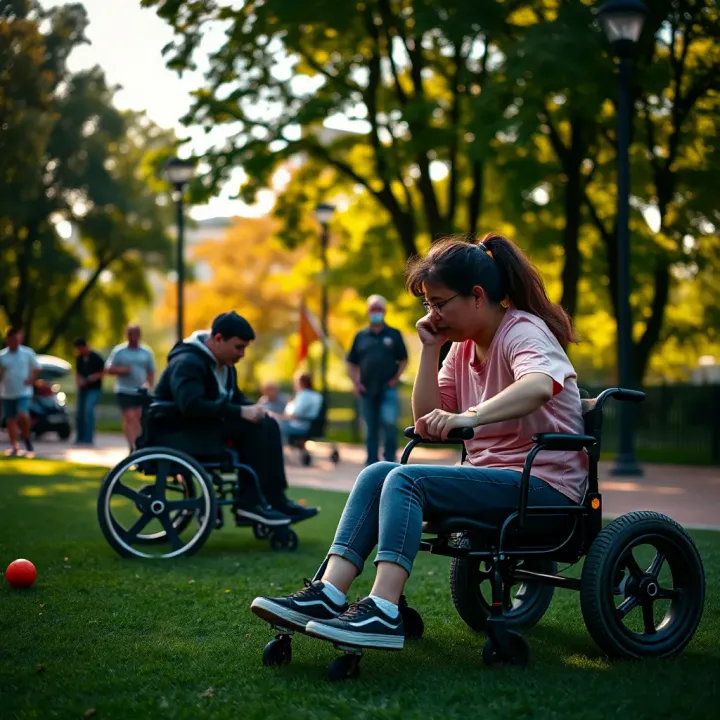
Accessible recreation supports better health outcomes by encouraging regular physical activity. For people with mobility challenges, tailored options like adaptive swimming lessons ensure they can enjoy exercise benefits without exclusion.
The mental health advantages are similarly significant. Being part of a team or group activity boosts confidence and reduces stress, which is key given mental health concerns across Australia.
Allowing wider participation also makes economic sense. More attendees mean higher revenue for local businesses and clubs, while government bodies benefit from reduced healthcare costs linked to inactivity.
Mind you, inclusive recreation often relies on affordable access. Initiatives like Sydney’s subsidised council-run tennis centres show how lowering fees increases uptake and stimulates the local economy through job creation and service demand.
Providing everyone with a fair go in recreation promotes healthier, stronger, and more connected communities, while also offering tangible economic benefits. It requires ongoing effort to identify and dismantle barriers that some people face.
By understanding these fundamentals, organisations and policy makers can better design services that reflect Australia’s commitment to fairness and community wellbeing.
Ensuring equal access to recreational activities faces several hurdles, both tangible and systemic. Identifying these barriers helps pinpoint where efforts should focus to truly deliver a fair go in recreation. These challenges range from physical limitations like transport and facilities to financial and social factors that quietly exclude many.
Transport and location issues often stand in the way of people getting to recreational spaces. For instance, someone living in a suburb without frequent bus services may struggle to reach community centres or sports grounds easily. This problem isn't just about distance; it's also about the timing and reliability of transport, which becomes a significant obstacle, particularly for people with disabilities or older Australians who depend on public options.
Lack of accessible facilities is another major concern. Many sports grounds, playgrounds, or leisure centres lack wheelchair ramps, accessible toilets, or clear signage. Imagine a parent with a pram or a person using a walker arriving at a park with steep stairs but no alternative route — that shows how poorly designed facilities can deter participation. This gap not only affects physical inclusion but sends a message about who is welcome.
The differences between urban and regional areas further complicate access. While cities might have more facilities, they can be overcrowded or expensive. In contrast, regional communities often face scarce recreational options due to budget constraints or limited infrastructure. For example, a rural town might have one small sports oval but no indoor centres or pools, limiting choices for diverse activities or all-weather access.
Costs preventing participation hit many Australians hard. Membership fees, equipment costs, or travel expenses can quickly add up, especially for families or people on low incomes. Someone keen on joining a dance class may drop out once they see the upfront uniform or studio fees. Subsidies or flexible payment plans in community programs could ease this burden, but such options aren't always available or well-promoted.
Cultural and language obstacles also restrict access. Some multicultural communities may not feel their traditions or values are reflected in mainstream recreational activities, making participation less appealing. Language barriers complicate understanding program details or communicating special needs. For example, a newly arrived family might miss out on a local swimming group simply because information isn’t offered in their first language.
Lastly, awareness and information gaps quietly exclude many. People may not know what’s available nearby or assume certain activities aren’t for them. Community noticeboards, local websites, or social media often fail to reach everyone effectively. Without clear, inclusive messaging, individuals stay disconnected from opportunities that could boost their health and social life.
Removing these physical, financial, and social barriers is essential to create recreational spaces that everyone can access and enjoy. Only then can communities genuinely offer a fair go for all.
Making recreational spaces inclusive isn't just about ticking boxes; it genuinely opens up leisure opportunities to everyone, regardless of ability or background. When parks, playgrounds, and community centres cater to diverse needs, more people can join in and get the social and health benefits that come from being active and connected.
Universal design principles aim to create spaces that everyone can use comfortably, without needing special adjustments. These principles include things like level pathways, wider doorways, and clear signage. The goal is to remove barriers so that people with mobility aids, older adults, or young kids can navigate spaces easily. It's not about separate facilities but designing with everyone in mind from the start.
Examples of successful accessible recreation areas include the Newcastle Ocean Baths in NSW, which has ramps and pool lifts to help swimmers with reduced mobility join in safely. Sydney Park also features inclusive playground equipment that kids of all abilities can enjoy. These spaces prove that practical design solutions let communities relax and recreate together without hassle or exclusion.
Engaging diverse groups means making strong efforts to reach out beyond the usual participants. Recreation organisers can hold consultative sessions with culturally diverse communities or groups with disabilities to hear directly what activities work best. Simple steps like multilingual flyers or outreach through trusted community leaders encourage wider involvement.
Affordable and subsidised options are vital because cost often stops folks from joining in. Many councils provide concessions for health card holders or introduce free trial sessions to lower financial hurdles. Programs like Australia's Active Kids voucher scheme serve as good examples, helping families afford sporting activities for their kids without breaking the bank.
Partnering with local organisations adds muscle and reach to inclusion efforts. When councils team up with groups like Mobility Australia or local multicultural associations, they tap into expertise and networks that help tailor programs effectively. These partnerships ensure programs are well targeted and supported, increasing their chance of success and genuine accessibility.
Creating inclusive recreational spaces is about more than infrastructure — it’s building communities where everyone feels welcome to have a go, no matter their background or ability.
Government and policy play a vital part in ensuring recreation is accessible and inclusive for everyone. Through clear legislation and targeted funding, they set standards that organisations and communities must meet to provide equal recreational opportunities. Without this backing, efforts to create fair go recreation could be patchy and inconsistent across regions.
Disability standards and anti-discrimination laws provide the legal framework ensuring people with disabilities have the same opportunities as others. The Disability Discrimination Act 1992 (DDA) mandates that public spaces, including parks, sports facilities, and community centres, must be accessible. For example, a local council upgrading playgrounds would have to include wheelchair-friendly ramps and equipment so children with mobility challenges can join in. These laws protect individuals against exclusion and foster environments where everyone feels welcome.
Local government planning requirements complement federal laws by setting practical conditions on new developments. Councils often include accessibility requirements in their planning schemes, ensuring new recreational projects meet minimum standards for inclusivity. A council may require accessible toilets, public transport links, or shaded seating areas in new parks. This approach helps keep accessibility front of mind during early design stages rather than being an afterthought. It also adapts to local community needs, so regional areas with limited transport might prioritise closer recreational spaces.
State and federal programs provide crucial financial support to make inclusive recreation projects viable. Programs such as the National Disability Insurance Scheme (NDIS) and local government grants offer funds for facility upgrades, community programs, and awareness campaigns. These funds help fill gaps where private investment is unlikely, particularly in regional or disadvantaged areas.
How organisations can apply and benefit from these grants is practical knowledge often overlooked. Local clubs, councils, and not-for-profits can apply through clear, structured processes. Organisations successful in securing funding often show a strong community focus, detailed planning, and measurable outcomes. For instance, a small regional sports club upgrading its oval with accessible pathways and equipment might apply for a council grant backed by community letters of support. These grants enable organisations to offer better, more inclusive leisure options, increasing participation and fostering community spirit.
Government legislation and funding act as the backbone for fair go recreation – ensuring inclusion isn't left to chance but built into the system.
This coordinated framework ensures recreation is not just a privilege for some but genuinely accessible for all Australians, regardless of ability or background.
Tracking how well community recreation programs and facilities serve all Australians is key to ensuring a fair go for everyone. Measuring participation rates and collecting genuine feedback helps identify who's missing out or facing hurdles. This ongoing evaluation lays the groundwork for improving access and making leisure truly inclusive.
Surveys and community consultation provide vital insight into how different groups engage with recreational offerings. For example, local councils might distribute surveys asking participants about ease of access, cultural suitability, or affordability. Beyond numbers, community consultations bring forward personal experiences, highlighting barriers or successes that statistics alone might miss. In Western Sydney, such consultations uncovered that several parks needed better shade structures to encourage use during hot summers—a practical fix that boosted attendance.
Adjusting approaches based on insights means taking this feedback seriously and making changes that reflect community needs. If data shows fewer older adults using a gym, adding specific classes or improving transport links could help. Continuous improvement also means flexibility; what worked five years ago might not fit today's diverse communities. For instance, councils may adapt their weekend programs to include multi-cultural festivals after noticing low participation from culturally diverse groups.
Technology and digital inclusion are becoming more important in how people access leisure, especially after the Covid-19 pandemic pushed many activities online. Offering virtual fitness classes or digital booking systems can make recreation more accessible, but only if everyone can use them. That means keeping websites straightforward and mobile-friendly while providing offline options for those without reliable internet. The City of Melbourne, for example, introduced an easy-to-navigate app to book sports facilities, reducing wait times and simplifying access.
Growing awareness of mental health needs is reshaping how recreational programs are designed. Recreation is no longer seen just as physical activity but as a way to support emotional wellbeing and social connection. Programs that include mindfulness workshops or nature walks cater to mental health alongside fitness, helping attract people who might otherwise hesitate to join. In Queensland, parks now host regular community yoga and meditation sessions, recognising their role in mental health promotion.
Measuring success isn’t just about counting participants — it’s about listening, acting, and adapting to make recreation a fair go for all Australians.
Discover Fair Go Casino's latest features, game variety, and secure Aussie-friendly platform. Get the real scoop on player perks and support! 🎲🦘🔒
🤝 Explore the Fair Go Lobby's roots, aims, and influence on Aussie social and economic policies. Learn about its campaigns and ongoing impact today.
🎲 Explore Fair Go Casino with all you need to know: games, bonuses, banking options, Aussie-friendly support & responsible play for a safe experience.
🎰 Discover Fair Go Casino Australia with our detailed guide! Explore bonuses, payment methods, safety, and user experience tailored for Aussie players 🇦🇺
Based on 13 reviews