
Alinta Fair Go 35 Plan Explained
Explore Alinta's Fair Go 35 plan 💡—costs, contract terms & who it suits best. Compare offers and get practical tips to see if it fits your home or business energy needs.
Edited By
Sophie Mitchell
Alinta Fair Go 25 is a specific energy offer designed to ease the burden of rising power bills for everyday customers. This plan aims to make energy more affordable by capping certain costs and providing straightforward pricing, which is handy if you want better control over your monthly expenses.
The offer targets households and small businesses in areas serviced by Alinta Energy. It’s particularly suitable for those who find energy bills unpredictable or inflated during peak times. By offering a degree of price stability, it helps customers avoid surprise hikes that can throw budgets out of whack.
In practical terms, Fair Go 25 typically features a flat rate or a capped price for electricity up to a certain consumption level—often 25 kilowatt-hours per day, hence the '25' in the name. Once you go beyond this threshold, different rates might kick in. This means if your usage stays moderate, you can predict your bills with greater confidence.
Keep in mind that Fair Go 25 isn’t a one-size-fits-all. Those with high or erratic power use might find better deals elsewhere.
Key things to consider before signing up include:
Your typical energy consumption: Are you generally under or above 25 kWh daily?
Contract length and conditions: Some offers come with fixed terms; others might be more flexible.
Additional fees: Look out for meter fees or service charges beyond the flat rate.
Comparing Fair Go 25 to other market options helps you spot genuine savings. For instance, some providers offer time-of-use plans that reward off-peak power use, which could suit someone working from home in the mornings or evenings.
Knowing what works best for you means checking your past electricity bills and considering lifestyle patterns. For accountancy professionals, scrutinising energy costs might reveal ways to reduce business overheads. IT workers, marketers, teachers, and retail staff can also find value by choosing plans matching their usage rhythm.
This article will break down how Fair Go 25 stacks up, its benefits and drawbacks, and practical tips for making the best energy choice in today’s market. Stay tuned to find ways you can keep your power bills manageable without sacrificing comfort.
The Alinta Fair Go 25 offer is designed to provide energy customers with a more affordable and predictable way to pay for their electricity. Instead of dealing with fluctuating rates or complex tariffs, this plan aims to keep things simple and budget-friendly. It’s particularly relevant now as many households and businesses face rising living costs and wish to keep their energy expenses stable.
Fair Go 25 is basically a fixed-price energy plan that caps your usage costs up to 25 kilowatt-hours (kWh) per day at a set rate. This means you’re charged a consistent price for your electricity up to that daily limit. If your consumption goes beyond 25 kWh on any day, additional usage is charged at a standard variable rate. This approach suits users who have a fairly steady energy demand each day and want to avoid surprise spikes on their bills.
For example, a typical small family using close to 25 kWh daily can budget their energy costs more easily without worrying about sudden jumps due to seasonal or behavioural changes.
One of the main perks is price certainty — you know exactly what you’ll pay for your electricity up to 25 kWh daily, which is handy for managing household budgets. It also encourages energy efficiency without penalising moderate usage.
Another benefit is that Fair Go 25 doesn’t lock you into lengthy contracts, so you can switch plans if your needs change or a better offer appears. Plus, Alinta Energy often bundles this with digital tools, like online account management and usage tracking, helping you keep an eye on your consumption.
Fair Go 25 is mainly aimed at residential customers in regions where Alinta supplies electricity, including certain parts of Queensland and New South Wales. You’ll need to have a smart meter installed to qualify, as this allows accurate daily measurement of your electricity use.
The plan suits households with average daily usage around or under 25 kWh. If your energy consumption is typically much lower or considerably higher, other plans might offer better value. For instance, single-person homes might find a low-usage plan cheaper, while large households or homes running energy-intensive appliances could save using an unlimited or larger fixed-tier plan.
Keep in mind, understanding how much electricity you actually use daily is key before signing up. Checking recent bills or smart meter data can help avoid unexpected charges later on.
In summary, Alinta Fair Go 25 works well for those looking for predictable costs and who use a moderate, consistent amount of energy. It provides a straightforward path to managing electricity bills without juggling confusing rates.
Understanding the costs and savings of the Alinta Fair Go 25 plan is essential before you commit. It’s not just about the headline price; looking closely at how pricing works, the potential savings compared to other plans, and what fees might apply helps you make an informed choice. Knowing what to expect means you can avoid surprises on your bill and decide if this plan truly offers value for your situation.
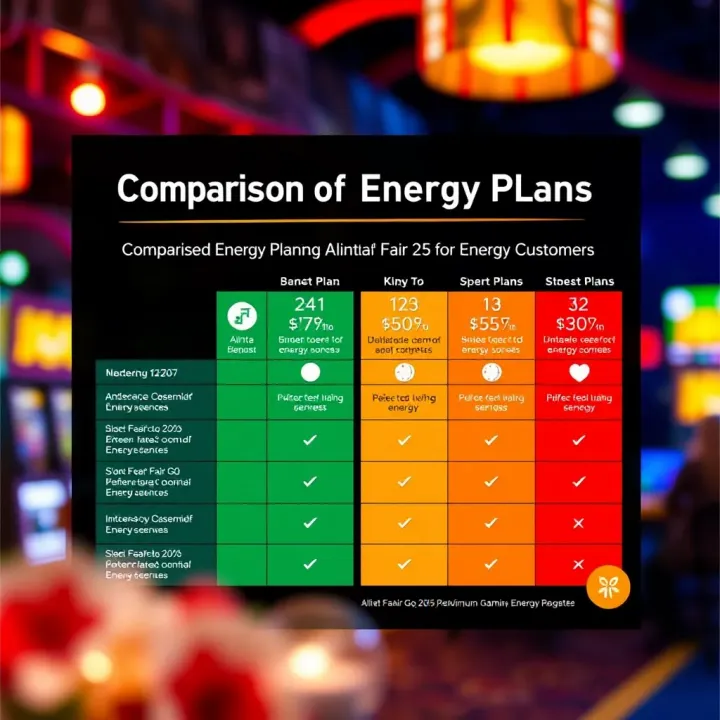
Fair Go 25 sets a fixed usage price for the first 25 megawatt-hours (MWh) of electricity each year. Once you hit this 25 MWh mark, any additional electricity you use will be charged at the standard rate. This setup aims to encourage moderate energy use while providing a predictable cost for that base consumption. For example, if your household typically consumes around 20 MWh, the fixed pricing covers most of your usage, which keeps bills manageable.
The pricing model simplifies your cost expectations for that initial energy amount. If you use less, you pay less overall, but the per-unit price inside the 25 MWh quota remains constant, regardless of daily fluctuations. This predictability can help families and small businesses budget their energy expenses more confidently.
Since Fair Go 25 caps the cost of the first 25 MWh, it often results in savings for households with moderate consumption compared to standard variable plans. Many standard plans have rates that fluctuate throughout the day or across seasons, which can catch you off guard during peak times.
Fair Go 25’s steady pricing offers some insulation from these swings. For instance, an average household on a standard Alinta plan might pay variable rates ranging from 28c to 35c per kWh, while Fair Go 25 locks in a lower rate for that initial 25 MWh, which could save around $100-$150 annually depending on usage.
However, if your consumption regularly exceeds 25 MWh, the savings narrow since excess energy reverts to standard prices. Still, the plan suits many typical Australian homes seeking a balance between cost control and flexibility.
Fair Go 25 generally includes a straightforward monthly supply charge, which covers the cost of maintaining your connection and services. It’s worth comparing this fee to other Alinta offers as it can affect your overall bill.
The contract usually runs for 12 months, with some flexibility to cancel after the fixed term. It’s important to check the cancellation policy to avoid exit fees if you want to switch plans earlier.
While the plan doesn’t add unusual hidden fees, late payment fees and other standard charges apply as with most energy contracts. Reading the fine print on your contract terms helps prevent unexpected costs.
Consider your typical electricity use and read the plan details carefully. If your household’s usage fits well under 25 MWh annually, Fair Go 25 offers a clear path to steadier bills and potential savings without complicated pricing structures.
In short, the Fair Go 25 plan is attractive if you want simplicity with a fair go on pricing for moderate energy use. It’s always wise to crunch your own numbers or seek advice to check if the plan aligns with your energy habits and financial goals.
Choosing the right energy plan isn't a one-size-fits-all deal. The Fair Go 25 offer from Alinta Energy suits certain types of customers better than others. Knowing who benefits most helps you avoid surprises on your bill and ensures you get value for money.
Fair Go 25 is a good fit if you generally use an average or below-average amount of electricity and prefer straightforward billing. For example, a single professional working from home might find this plan useful. The fixed discount makes it easier to budget since the price per unit is predictable in the short term, which suits people who don't want to fuss over variable rates.
Families managing household energy can benefit, too, especially if they run appliances mostly off-peak hours. Fair Go 25 offers consistent pricing, lending some certainty in a market where prices can jump unexpectedly.
Low-income households or those mindful of their daily expenses might also appreciate this plan. The offer is designed to make energy bills more manageable with reasonable pricing and no hidden fees, lowering the chance of bill shock.
If your energy consumption varies widely or you want more control over when you use power, Fair Go 25's simplicity could be a perfect match.
Fair Go 25 might not work well if you consume large amounts of energy outside the plan’s advantageous pricing periods. For example, a household running heavy electric heating or cooling most of the day may face higher costs than under a time-of-use plan where off-peak rates offer bigger savings.
If you prefer flexible, market-linked pricing aiming to take advantage of lower wholesale rates at particular times, Fair Go 25’s fixed discount could limit those benefits. In such cases, variable plans or those with smart meter options may deliver better value.
Also, those who want to bundle energy with other services like solar feed-in might find this plan less suitable if it does not accommodate these additions or lacks incentives for renewable use.
Ultimately, if your priority is maximising savings through active management of your energy use or benefiting from market swings, other offerings might serve you better.
In short, think about your energy habits, budget sensitivity, and preference for pricing structure. Fair Go 25 works well for users wanting predictability and straightforward savings. But if your energy needs are more complex or flexible, it's worth checking other options before committing.
When it comes to choosing an energy plan, comparing Alinta Fair Go 25 with other options is key. It’s not just about the headline price but understanding how features, costs, and customer needs line up across plans. This section helps you make an informed choice by laying out how Fair Go 25 sits within Alinta’s range and the broader market.
Alinta Energy offers various plans tailored to different users. Fair Go 25 stands out by capping your daily supply charge at 25 cents—appealing to low-consumption households. By contrast, Alinta’s Everyday Plan charges a higher daily fee but offers discounts on usage beyond a certain threshold. If you use energy mostly for essentials and want predictability in daily charges, Fair Go 25 makes practical sense.
For example, a small household that often leaves appliances on standby could save more with Fair Go 25 since it lowers fixed charges. Meanwhile, families with higher electricity demands might find Alinta’s block tariff plans more cost-effective. It’s about weighing your typical energy use against how charges accumulate.
Outside Alinta, other providers like AGL, Origin, and EnergyAustralia offer competitive deals featuring discounts on controlled load tariffs or time-of-use plans. These alternatives might suit customers with solar panels or those who can shift usage to off-peak times. However, many lack a capped daily supply charge like Fair Go 25 offers.
That said, if you rarely hit the 25-cent daily cap or your energy provider offers better wholesale pass-through rates, those plans could trump Fair Go 25. For instance, AGL’s Saver Plus plan might offer better value for larger households due to usage-based discounts, although it has higher fixed fees.
The trick is balancing fixed versus variable costs: if your household’s energy use is consistently low, opting for a plan with capped daily charges like Fair Go 25 can reduce bills. If you consume more or can adjust when you use power, a plan rewarding high usage discounts might be smarter.
Here are the main things to keep in mind when comparing plans:
Daily Fixed Charges: How much you pay regardless of use. Fair Go 25 caps this at 25c which is low for a fixed amount.
Usage Rates: The price per kilowatt-hour (kWh). Look at whether it varies by time or is flat.
Contract Length and Exit Fees: Fair Go 25 is typically no lock-in, making switching easier.
Discounts and Bonuses: Some plans offer pay-on-time discounts or solar feed-in incentives.
Your Usage Profile: Are you a low user, or does your household use a lot of power at peak times?
Taking stock of these factors prevents surprises on your bill. It’s worth sitting down with recent electricity statements and plugging your typical usage into a few different plans’ calculators. That way, you can see what works best given your unique situation.
Comparing Alinta Fair Go 25 to other options isn’t just a box to tick. It’s about understanding the nuts and bolts—daily fees, consumption charges, contract terms—to pick the plan that fits you like a glove. Doing that upfront means fewer headaches and better control over your energy expenses.
Getting the best value from your Alinta Fair Go 25 plan means more than just signing up. It requires staying on top of your energy use, understanding your bill, and knowing how to navigate changes smoothly. These practical steps can save you money and help avoid unexpected shocks.
Being mindful of your energy consumption is the quickest way to make savings. Simple changes like switching off appliances instead of leaving them on standby, using energy-efficient LED bulbs, or running dishwashers and washing machines during off-peak periods can noticeably cut costs. For example, if you run your washing machine in the late evening, you might benefit from lower rates, depending on your plan’s time-of-use charges.
Consider investing in a smart meter or energy monitor. These devices give real-time feedback on your usage, making it easier to spot wastage. Small habits add up; unplugging chargers when not in use or limiting heater use to one room can prevent bills from ballooning.
Reading your energy bill carefully pays off. Look beyond the total amount and check the breakdown: how many kilowatt-hours you've used, fixed daily charges, and any discounts that apply. This helps you see if your usage aligns with your budget.
Keep an eye on estimated readings—they can sometimes inflate your bill. Always request a meter read if your bill seems unusually high. Also, know the billing cycle dates to avoid overlapping payments or unexpected gaps.
Remember, knowing what you’re paying for helps you spot errors early and plan your finances better.
Switching plans within Alinta Energy or moving to another provider shouldn’t cause headaches if you know the steps. Always check if there’s an exit fee tied to your Fair Go 25 plan before cancelling. While most Australian energy contracts now offer flexible cancellation, some still require notice periods.
Notify Alinta Energy promptly if you plan to switch, and organise your new supply in advance to avoid service interruptions. Keep a record of your final meter reading to ensure you’re billed correctly.
If you encounter issues, the Energy and Water Ombudsman in your state can help resolve disputes without fuss.
By staying informed and proactive, you can make your energy account work hard for you and dodge common pitfalls along the way.
Explore Alinta's Fair Go 35 plan 💡—costs, contract terms & who it suits best. Compare offers and get practical tips to see if it fits your home or business energy needs.
Learn how the Fair Go Discount from Alinta Energy helps eligible Aussie customers save on their energy bill ⚡ Find out how to qualify and apply today!

Explore the Aussie fair go 🇦🇺—a key part of our identity that shapes fairness, opportunity, and how we treat each other in everyday life and politics.

Explore how the idea of a fair go shapes Aussie life 🦘, from equal opportunities to social justice and workplace fairness in everyday mateship.
Based on 14 reviews