

Fair Go Casino Guide for Australian Players
🎲 Explore Fair Go Casino with all you need to know: games, bonuses, banking options, Aussie-friendly support & responsible play for a safe experience.
Edited By
Michael Harper
Fair Go Free Codes might sound like something out of a tech buzzword manual, but they're actually a handy tool more people should be aware of. Whether you're an accountant juggling software costs, a teacher managing classroom resources, or stuck in retail looking for cost-saving hacks, understanding these codes can lighten the financial load.
This article digs into what Fair Go Free Codes are, breaking down how they work and who can use them effectively. You'll learn about the eligibility criteria, the kinds of benefits these codes offer, and practical tips on redeeming them without the usual hassle.
With the cost of living and business expenses on the rise, knowing where to find opportunities to save—even just a little—can't hurt. By the end, this guide aims to equip you with the knowledge you need to spot these offers, understand their perks and pitfalls, and put them to use in your everyday life or work.
Fair Go Free Codes aren't just another marketing gimmick. They can be a real help*, if you know where to look and how to use them right. So let’s get stuck in and make sense of what these codes are all about.
Fair Go Free Codes are a handy tool designed to make services and products more accessible, especially to those who might find costs a bit steep. Think of them as a helping hand in the form of a code that allows you to access discounts or even completely free goods and services. They're particularly relevant in times where stretching every dollar counts, such as during economic downturns or for communities facing financial hurdles.
These codes promote fairness by offering opportunities to people who might otherwise miss out on certain benefits. For instance, a teacher could use a Fair Go Free Code to get discounted rates on educational software, or a retail worker might access free health check-ups through community health programs using these codes. They serve as practical tools to bridge gaps and level the playing field, ensuring more people get a 'fair go' when it comes to essential and valuable offerings.
At their core, Fair Go Free Codes are unique alphanumeric combinations provided by organisations, government bodies, or community programs. These codes grant holders access to discounts or free services intended to support equity. Unlike general vouchers or coupons, Fair Go Free Codes are typically targeted to those who meet specific eligibility criteria, like income level, employment status, or location.
They work by verifying eligibility and activating discounts or free access on participation platforms—whether digital or physical. Their practical relevance lies in helping reduce barriers, especially for low-income families, students, or the unemployed. For example, someone in a rural town might receive a code that waives fees for an online training course that wouldn’t otherwise be accessible.
The main goal of Fair Go Free Codes is to promote fairness and inclusiveness. Governments and organisations offer them to help balance out inequalities caused by socioeconomic factors. At times, it’s also about boosting uptake of certain programs—like health check-ups or educational resources—by offering free or discounted access.
For instance, a local council in Melbourne might provide codes that allow low-income residents to access recreation centre memberships free for a month, encouraging healthier lifestyles. These codes help funnel resources to those who need it most, optimising social support efforts.
Fair Go Free Codes show up across many fields:
Education: Free or discounted course materials, online training, or tutoring services.
Health and Wellbeing: Vouchers for vaccinations, dental check-ups, mental health support sessions.
Utilities and Transport: Discounts on public transport passes or utility bills for eligible households.
Imagine someone recently unemployed using a Fair Go code to access free government-supported upskilling workshops online. These scenarios emphasise practical uses that improve daily life and provide opportunities where they might be scarce.
The "Fair Go" concept is deeply rooted in Australian culture, reflecting a widespread belief that everyone deserves a chance, no matter their circumstances. Originally, these initiatives started as community-level efforts aiming to tackle inequality. Over time, formal programs emerged, managed by governments and nonprofits.
Originating in the late 20th century, early Fair Go policies targeted employment and education, gradually expanding into healthcare and social services. For example, campaigns in the early 2000s focused on reducing youth unemployment by giving young people access to free training—laying groundwork for modern-day free code schemes.
Free codes as a practical tool came about as digital technologies advanced, allowing easier tracking and distribution of benefits. Instead of traditional paper vouchers, electronic codes could be distributed through emails, SMS, or community websites, making uptake simpler and faster.
This method also helps reduce fraud and misuse, as the codes can be tied to an individual’s eligibility records. For instance, a Fair Work Australia initiative recently piloted such codes linking job seekers to training subsidies, noticeably increasing engagement by simplifying the redemption.
The introduction of Fair Go Free Codes has had a measurable impact on communities, often offering a lifeline to those in tight spots. They foster a greater sense of inclusion by making services feel reachable rather than out of grasp.
In rural areas of Queensland, free health screening codes led to increased attendance rates at community clinics, catching potential health issues earlier. Similarly, community feedback often highlights how these codes ease pressure on household budgets, allowing recipients to allocate limited funds elsewhere.
Fair Go Free Codes are more than just discounts; they represent an effort to make everyday essentials and opportunities accessible to everyone—helping to build stronger, healthier, and better connected communities.
In essence, understanding what Fair Go Free Codes are and where they come from gives clarity on their practical benefits and why they're a vital part of many Australians' toolkit to get ahead or simply cope better with everyday life.
Understanding who qualifies for Fair Go Free Codes is critical for making the most of these offers. Knowing the eligibility requirements saves time and prevents frustration when applying or redeeming these codes. Whether you're an accountant looking to stretch your resources or a teacher seeking discounts for personal or classroom needs, identifying valid access pathways ensures you maximise benefits.
These codes are designed with inclusivity in mind but often have specific criteria tied to who can claim them. To that end, understanding demographic traits, income thresholds, and geographic criteria can steer you in the right direction.
Fair Go Free Codes often target particular groups to ensure those who truly need assistance can access it. Examples include seniors, students, veterans, or single parents. For instance, a local transport authority might issue codes specifically for pensioners to help with travel costs.
This targeted approach ensures support reaches its intended audience, rather than diluting benefits across a wide, general population. If you fit into a defined age bracket or social group, it’s worth checking eligibility before dismissing an offer.
Many Fair Go Free Codes hinge on income levels or employment situations. Low-income workers, the unemployed, or those on government assistance may qualify for particular programs. For example, a utility provider might offer discounted rates or free access codes based on household income.
Employment status can also matter. Temporary workers or casual employees could have options different from full-time staff. Employers sometimes distribute codes through workplace programs aimed at supporting staff in tough times.
Understanding your financial and work status can clear up confusion when applying and help you avoid wasting effort on offers you’re not eligible for.
Fair Go Free Codes frequently come with regional restrictions. A program running in Melbourne may not apply in Brisbane, for instance. Some state governments or local councils run their own schemes tailored to community needs.
Being aware of these geographic boundaries is crucial. For example, a community centre in Sydney might hand out free codes for local health services unavailable elsewhere.
If you move around or live near borders, double-check that the codes you plan to use are valid for your precise location.
Starting at government portals or official provider websites is usually the safest bet. Departments like the Australian Government’s Department of Social Services or state-based welfare sites regularly update available Fair Go Free Codes.
For instance, Service NSW or Victoria’s Consumer Affairs websites often list current discounts and eligibility guidance.
Using these official channels helps avoid scams and ensures the information is accurate and up to date.
Local councils, community centres, and nonprofits also run programs distributing Fair Go Free Codes. These may be advertised via newsletters or noticeboards at libraries and community hubs.
For example, a neighbourhood centre in Adelaide might offer free internet access codes during a digital literacy initiative, targeting those who struggle with connectivity.
Engaging with community groups helps not only to find codes but also to gain support in understanding how to redeem them.
Sometimes, third-party websites or platforms partner with providers to distribute codes. While these can be legitimate, they require extra caution. Always verify the source before using codes from unfamiliar sites.
Retailers or associations within sectors like education or healthcare might have exclusive offers for their members—teachers unions, for example, occasionally arrange exclusive discounts through partnering companies.
When using third-party sources, cross-reference information with official websites and avoid sharing sensitive personal details unnecessarily.
Remember, the key to accessing Fair Go Free Codes is knowing where to look and understanding the criteria. Being informed prevents disappointment and helps you grab the benefits available to you and your community.
Understanding how Fair Go Free Codes operate is a key piece of the puzzle. Knowing the mechanics behind these codes helps you spot genuine deals, avoid pitfalls, and use them effectively. At their core, these codes act as a kind of ticket that grants discounts or access to services without upfront costs. But the process isn't always plug and play — there are steps and details to keep in mind.
Redeeming a Fair Go Free Code starts with receiving the code, usually via email, SMS, or sometimes printed. To redeem, you typically head to the website or platform specified, enter your code in a designated field, and follow prompts. For instance, if you get a code for discounted public transport fares, simply enter it on the transport provider's app or website during ticket purchase. You might need to create an account or verify eligibility at this stage. Once done, the code activates, and your discount or free access is applied automatically. Simple enough, right? However, it's crucial to check specific instructions attached to the code—sometimes a minimum purchase or date restriction applies.
Fair Go Free Codes aren’t limited to just one type of platform. They're accepted across various services, reflecting the broad scope of these initiatives. You'll find them on government service sites, local community providers, retailers, and even in transport or utility services. For example, the NSW government’s Opal card system sometimes integrates such codes to grant reduced-fare trips for eligible users. Similarly, community health centres may use designated portals where you enter codes for free or subsidised health check-ups. Always confirm the platform’s legitimacy before entering your code to avoid scams.
Sometimes, things don’t go smoothly. Perhaps the code isn’t accepted, or the discount isn't showing up. First, check if the code has expired or if it requires entering in a specific format (case-sensitive or with dashes). Next, review the terms: does the code apply to the product or service you’re trying to get? If problems persist, clear your browser cache, try a different device, or contact the provider’s customer service. Often, the issue is a simple oversight, like a d character. Remember, patience pays off.
Fair Go Free Codes come with a variety of benefits. Some offer full coverage, meaning the service or product is entirely free up to a certain limit. Others give partial discounts, such as 25% off your electricity bill or a $20 deduction on a school uniform purchase. The difference is important: full coverage completely removes cost barriers, while discounts reduce the expense but might still require some outlay. Knowing which applies helps you plan your budget and expectations accordingly.
You’ll find Fair Go Free Codes in a range of categories designed to improve quality of life. Health and wellbeing services are common, including free flu vaccines or mental health counselling. Education resources might be subsidised too, such as discounted textbooks or online tutorial access. Utilities and transport also frequently offer savings through these codes—think reduced water bills or discounted bus passes. This variety shows the broad intent behind Fair Go initiatives, aiming to alleviate financial pressure across daily essentials.
Every code has a clock ticking on it, so timing is everything. Some codes might last only a few days, especially those tied to specific events or emergency relief. Others could be valid for months, giving you flexibility to plan usage. Be mindful of expiry dates to avoid missed chances. Also, some codes have usage windows—like only valid on weekends or during off-peak hours. Checking these details upfront saves hassle and maximises your benefit.
Always keep a note or reminder of your Free Code’s expiry date and conditions. It’s easy to overlook and then miss out on a valuable saving.
To sum up, understanding how the codes work—from redemption to benefit types and time limits—puts you in the driver’s seat. With a bit of care and attention to detail, you’re set to make the most of Fair Go Free Codes in real-life scenarios.
Getting the most out of Fair Go Free Codes isn't just about redeeming them; it’s about being smart with when and how you use them. This section digs into practical strategies that help users squeeze every drop of benefit from these codes. Whether you’re a casual user or someone relying on multiple codes regularly, knowing the right steps can mean better savings and fewer headaches.
One surefire way to avoid wasting time on invalid codes is sticking to trustworthy places. Official government sites, recognised community organisations, and well-known charities usually distribute genuine Fair Go Free Codes. For instance, organisations like Centrelink or local council pages often list legitimate codes. Vigilance here saves you from archaic or expired codes floating around on sketchy social media posts or unknown email lists.
Fair Go Free Codes sometimes come with timing sweet spots. Say, a seasonal campaign or a new financial year reset can open fresh code opportunities. For example, utility companies offering discounts via Fair Go during winter months can make a massive difference to your bills. Planning purchases or service applications around these key dates can maximise your savings. It’s worth setting calendar reminders when these programmes usually refresh.
There’s a nasty bit of scam artists pretending to offer Fair Go Free Codes to snag your personal info or cash. Never hand over your bank details just to "unlock" a code. Official schemes never ask for payment upfront to give free codes. If something feels fishy—like codes from random social media pages promising extravagant savings—pause. Cross-check with official channels before using those codes.
In some cases, Fair Go Free Codes can be combined with store sales or loyalty discounts for extra value. Say you’re buying textbooks for school and you have a Fair Go Code plus a back-to-school store promotion — applying both could ease the cost much more than one alone. But keep in mind some retailers lock out multiple discounts, so it pays to ask before you assume.
Every code comes with a fine-print story. Some codes may only cover specific products, exclude delivery fees, or be valid for one-time use only. For example, a code might work only on telecommunications plans, not supplements or accessories. Reading the terms clearly can save you from frustrating surprises at checkout. Keep an eye out for expiry dates and regional restrictions.
When using several promotions, organise them logically. Start with the offer that gives the biggest percentage off, then layer other discounts as allowed. Keeping a note of each code’s rules helps too — some can’t be mixed, while others stack perfectly. Always confirm with customer support if you’re unclear, especially before making large purchases.
Making the most of Fair Go Free Codes revolves around awareness and careful planning. Following trusted sources, timing your use wisely, and understanding the fine print ensures you don’t miss out.
Through these solid strategies, users can avoid the most common pitfalls and really stretch the value from every code they get their hands on.
Understanding the potential downsides and limitations of Fair Go Free Codes is essential. While these codes offer valuable savings and access to goods or services, they aren’t without caveats that can trip up even the most careful user. Being aware of these limitations helps you avoid frustration and make informed decisions about when and how to use these offers effectively.
Fair Go Free Codes often come with strict expiry dates, which means you need to keep a close eye on when your code stops being valid. For example, a code might be issued for a promotional period lasting just a few weeks or months. If you don’t redeem it within that window, the offer goes out the window. This is particularly relevant for budgeting or scheduling services since missing the deadline means you could lose out completely. A good tip is to set a calendar reminder as soon as you receive a code so you don’t let it slip past.
Most Fair Go Free Codes restrict you to one use per individual or household, preventing people from stacking codes unfairly. This means if you’ve already used a code for a particular service or product, trying to use another similar one might be blocked. Sometimes the restriction extends to family members living in the same household too. This limitation keeps the system fair but also means you need to plan your usage with care—say, choosing whether to redeem a code now or save it for an upcoming need.
Not all items or services under an offer will accept Fair Go Free Codes. For example, a code meant for utility bill discounts might exclude premium services or equipment installations, or a health service discount might not cover specialist treatments. This means reading the fine print before getting your hopes up is critical. Understanding what’s excluded helps you avoid unpleasant surprises at checkout and aligns your expectations with what the code truly covers.
Proving you qualify for a Fair Go Free Code can be more complicated than it seems. Some schemes require paperwork or digital verification, like proof of income or residency, which might slow down access or cause confusion, especially for those unfamiliar with bureaucratic processes. For instance, an unemployed individual might struggle to upload the right documents on time, delaying their ability to claim benefits. Being prepared with all necessary documentation can speed up verification and reduce stress.
Fair Go Free Codes sometimes target specific areas or communities, limiting access by geography. So, those living outside designated zones miss out, even if they would genuinely benefit. For instance, a transport discount code might only be usable in certain cities or suburbs, leaving rural passengers in the lurch. Checking whether the code applies to your location before investing time is a smart move to avoid disappointment.
Since many Fair Go Free Codes require online registration or digital redemption, not everyone finds them easy to use—especially older Australians or those with limited internet skills. This digital divide means some potential beneficiaries might miss out simply because they’re not comfortable navigating websites or apps. It’s worth seeking help from community centres or local support services that can guide you through the process and make the coding work for you.
Being aware of these downsides isn’t about discouraging use, but about helping you approach Fair Go Free Codes with eyes wide open so you get the most out of what’s on offer without unintended hiccups.
Seeing how Fair Go Free Codes work in the real world helps to paint a clearer picture beyond the theory. It’s one thing to know they exist—another to understand how they actually impact daily life. This section sheds light on practical benefits and illustrates key points through vivid examples.
Case studies from local communities offer invaluable insight. Consider a small town where local council partnered with healthcare clinics to distribute Fair Go Free Codes for dental check-ups. Many residents, who usually avoided the dentist due to costs, took up the offer. This boosted community health and reduced emergency dentals. It highlights the role of these codes in fostering better public outcomes, not just individual savings.
When talking about benefits experienced by individuals, stories from Sarah, a single mother in Brisbane, stand out. She managed to use Free Codes to get free internet services, which helped her kids with online schoolwork during lockdowns. For her family, it wasn't just about saving money—it was a crucial lifeline for education and connection. Such real-life wins show these codes’ broader social value.
Community feedback often circles around ease of use and trust in the system. Many users emphasise the importance of simple redemption steps and clear communication. For example, in Melbourne, a neighbourhood group ran workshops to help older folks understand how to claim the codes, ensuring that vulnerable groups benefit too. This community-driven effort sparked bigger discussions about digital literacy and inclusion.
Health and wellbeing services see substantial use of Fair Go Free Codes. From discounted gym memberships to mental health counselling sessions, these codes have opened doors for many who otherwise wouldn’t afford such care. A case in point is how the Victorian government has provided codes to access free COVID-19 testing and flu vaccinations. This practical application builds healthier populations by removing practical barriers.
In the area of education resources, Free Codes often support access to textbooks, software subscriptions, or online courses. Teachers in underfunded schools in Western Australia have used these codes to supply their classrooms with better digital learning tools. As a direct result, students gain better access to quality resources, bridging educational gaps.
Finally, utility and transport discounts are critical for everyday household budgets. People frequently use Fair Go Free Codes to save on electricity bills or get reduced fares on public transport. For instance, concession cards linked with Free Codes have allowed many elders in Sydney to travel comfortably without financial stress. Such use cases underline how these offers help ease basic living expenses.
Using concrete stories and examples illuminates what Fair Go Free Codes mean for everyday Australians—showing they’re not just theoretical perks, but real tools for supporting health, learning, and daily needs.
By examining these experiences, readers get practical pointers on the potential applications and benefits of Fair Go Free Codes, making this section both informative and grounded in reality.
Knowing where to seek help is vital when using Fair Go Free Codes. These codes can sometimes come with fine print, glitches, or eligibility hurdles. Having reliable sources for assistance not only smooths out the process but also ensures you’re making the most of available benefits without unnecessary headaches.
Whether you’re scratching your head over redemption steps or wondering where to verify your eligibility, support channels can offer clarity. Plus, some issues just require a human touch—an experienced advisor or local agency who can patiently guide you through.
Customer service options are the first port of call for most people facing doubts or problems with Fair Go Free Codes. Many providers offer multiple ways to get in touch, including phone lines, email, or live chats on their websites. For instance, if you receive a code for discounted public transport, the transport company's helpline can clarify how to apply it or fix any glitches in their system.
These services usually run during business hours and might take longer during peak times, so be patient. Having your code details and any error messages handy can speed up the process. Don’t hesitate to ask follow-up questions—clear communication ensures smoother solutions.
Online support tools are becoming increasingly common and handy. Think of chatbots on utility company sites or FAQs specifically covering Fair Go Free Codes. These tools help you troubleshoot without waiting on hold and often include step-by-step guides or video tutorials. For example, an energy provider might have a comprehensive FAQ explaining how energy rebate codes apply to your bill.
Such resources work best for straightforward queries but might fall short if your problem is unique or technical. Still, they offer quick answers and save time, making them a great first stop before calling customer service.
Community centres and local agencies play a crucial role, especially for people who are less comfortable with digital tools or English isn’t their first language. These places often have staff who understand the local context and can provide face-to-face guidance. For example, a community centre might hold sessions helping seniors or immigrants understand how to use benefit codes safely.
Local governments sometimes partner with community groups to run workshops or provide printed guides. This support level is invaluable if online resources and phone calls just don’t cut it. Plus, onsite help can catch issues that automated tools might miss or that people might be shy to ask online.
Government publications are reliable sources of detailed and accurate information about Fair Go Free Codes. Departments like the Department of Social Services or local councils often publish brochures or reports listing eligible codes, terms, and updates. These documents serve as official references if you’re doubtful about the rules or need confirmation.
They’re especially useful for people who prefer reading at their own pace and keeping track of official changes without relying on third-party interpretations. Many of these publications are easy to understand and sometimes include case studies or examples.
Community groups provide more informal, yet valuable, insights. These groups often share practical tips based on members' personal experiences with the codes. For instance, a local parent support group might discuss how to combine Fair Go Free Codes with school-related discounts effectively.
Joining such groups can help you stay informed about new offers or pitfalls to avoid. They also serve as a support network, making the whole experience less isolating and more empowering.
Online forums and social media broaden your access to up-to-date discussions and crowd-sourced advice. Platforms like Reddit or Facebook groups focused on local savings often have active threads about Fair Go Free Codes, including alerts on scams or trickier terms that users have uncovered.
While they’re full of firsthand tips, be cautious with the information shared—always cross-check with official sources. However, the dynamic nature of these channels means you get a pulse on what’s working right now, especially as deals and eligibility criteria shift.
When in doubt, combining formal resources like government publications with community insights and direct support can give you a fuller picture and greater confidence in using Fair Go Free Codes.
In short, tapping into these help and support avenues reduces guesswork, prevents common mistakes, and ensures you take full advantage of what Fair Go Free Codes have to offer.
🎲 Explore Fair Go Casino with all you need to know: games, bonuses, banking options, Aussie-friendly support & responsible play for a safe experience.
🎰 Discover Fair Go Casino Australia with our detailed guide! Explore bonuses, payment methods, safety, and user experience tailored for Aussie players 🇦🇺
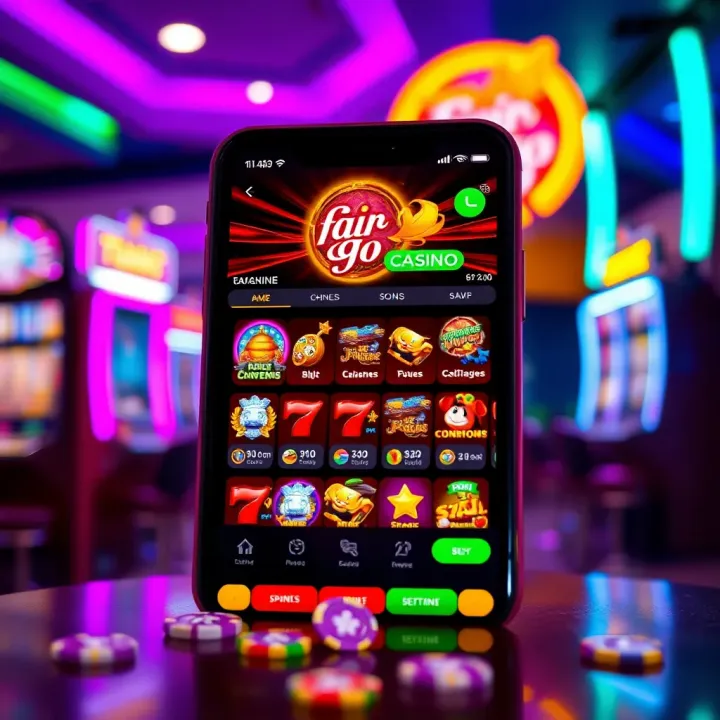
🎰 Discover how to play your favourite Fair Go Casino games on mobile, enjoy Aussie-friendly bonuses, easy payments & tips for a smooth gaming experience! 📱💰

🎰 Discover Fair Go Casino – explore its Aussie-friendly games, simple registration, reliable payments, great bonuses, solid security & helpful support.
Based on 10 reviews