

Fair Go Casino Review: Games, Security & Support
Discover Fair Go Casino's latest features, game variety, and secure Aussie-friendly platform. Get the real scoop on player perks and support! 🎲🦘🔒
Edited By
Liam Turner
The phrase "fair go" is deeply woven into Australian culture, reflecting a sense of fairness, opportunity, and respect. At its core, it means giving everyone a fair chance without discrimination. This principle goes beyond just words — it shapes how people behave across different areas, especially in sport and everyday life.
In sport, a fair go ensures that players compete on an even playing field. For example, rules against cheating and umpiring fairness are designed to protect the integrity of the game. If a player is injured or less experienced, a fair go means others show respect, avoiding rough or unfair tactics. This creates an environment where effort and skill decide the outcome, not underhanded tricks.
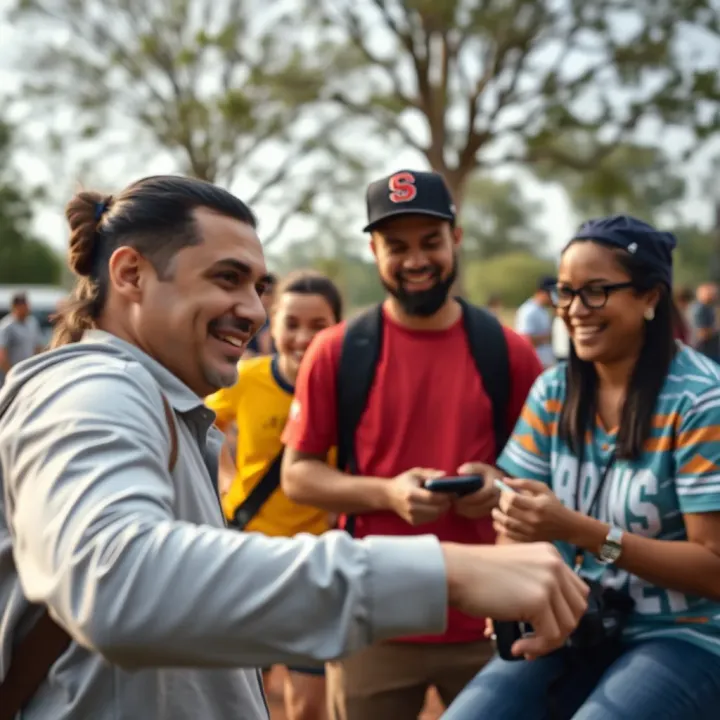
Outside sport, the fair go principle guides social interactions and workplace conduct. Whether in classrooms, offices, or shops, it suggests treating others with courtesy and equal opportunity. For instance, an IT team member should be judged by their work quality, not their background or age. Teachers, in particular, play a vital role by encouraging students from diverse backgrounds to succeed, giving them a genuine chance to shine.
A fair go means more than just playing by the rules; it’s about fostering trust and respect that help communities thrive.
The idea also ties into recognising and correcting inequalities. Retail workers encountering unfair customer behaviour or discrimination rely on fair go values to uphold respect. Similarly, marketing professionals aim to reach audiences without bias, ensuring campaigns don’t exclude or misrepresent groups.
In essence, the fair go acts as a social equaliser. It’s a straightforward expectation that effort and character, rather than unfair advantages or prejudice, should determine outcomes. Whether it’s a rugby match or a workplace project, adopting this mindset helps maintain harmony and encourages everyone to have a crack at success.
In the sections that follow, this article will go over what a fair go practically looks like, why it matters, and how you can support it in your daily routine and professional life.
The 'fair go' is more than just a catchphrase in Australia; it's a practical guide to how people expect to be treated, whether on the footy oval or in the workplace. The principle emphasises giving everyone a fair chance, not just in theory but in everyday situations. For example, in a team meeting, a fair go means every voice should get heard, not just those of loudest or most senior staff. Understanding this helps organisations and individuals foster better collaboration and trust.
The term "fair go" dates back to the early days of Australian settlement and reflects a reaction against unfairness in a harsh, new environment. It emerged as an expectation for equal treatment regardless of one's background. Early bushrangers and workers would speak of a fair go both as a right and a sort of social contract — even if life was tough, everyone deserved a reasonable shot.
This background grounds the phrase in practical experience, not abstract ideas. It’s about setting a standard for everyday fairness that resonates with a wide range of Aussies.
The fair go is often called a cornerstone of the Australian identity. It symbolises mateship and egalitarianism, values that Australians proudly uphold. Whether at the pub or in parliament, the fair go shapes conversations about justice and opportunity.
For instance, Australians tend to support policies and workplace cultures that aim to level the playing field – such as equal pay initiatives or anti-discrimination laws. This shows how the fair go influences behaviours well beyond sports or casual chit-chat.
At its heart, a fair go insists on fairness and equality — meaning people should be judged on merit rather than their background or connections. This could look like giving every candidate in a job interview the same set of questions and time, rather than favouring someone familiar or better connected.
In practical terms, workplaces that embrace this pathway tend to see higher morale and less conflict. Teams feel more valued when there's a level playing field, which actually drives productivity.
Respect goes hand in hand with giving a fair go. This means recognising others' differences and welcoming diverse voices. A classroom where every student’s opinion is heard fosters inclusiveness that mirrors the fair go principle.
Inclusiveness isn’t just about being polite — it creates environments where people from all walks of life can contribute and thrive. It pushes organisations to rethink recruitment, training, and everyday interactions to ensure nobody’s left out unfairly.
A fair go isn’t a favour; it's basic decency and a practical route to stronger, more connected communities.
In sum, defining the fair go helps us understand its real-world application: a call for fairness, equality, respect, and inclusiveness that matters in sport, work, and life every day.
Sport is often seen as a level playing field where effort and skill should decide outcomes. Applying a fair go in this environment means more than just following rules — it involves creating an atmosphere where everyone competes on equal terms and respects each other. This principle helps keep sport enjoyable, inclusive, and meaningful for all participants.

Rules and regulations form the backbone of fairness in any competition. They set clear boundaries on what players can and can't do, ensuring nobody has an unfair edge. For example, in community-level rugby, strict adherence to offside rules ensures that no team gains an advantage by positioning players where they're not meant to be. Without these guidelines, matches could quickly turn into chaotic scrambles where outcomes depend more on bending the rules than on skill or tactics.
Beyond fairness, rules also uphold safety and protect players from harm, which is essential in physically demanding sports like Australian Rules football or cricket. Referees and officials enforce these rules to maintain balance, and their decisions should be respected — even if sometimes they aren't popular.
A fair go in sport also revolves around making sure every player has a genuine chance to participate and succeed. That means tackling barriers such as skill gaps, access to training, or even biases that might exclude some groups. For example, junior netball leagues often accommodate different skill levels through graded competitions, so less experienced players aren't thrown in with top-tier veterans. This approach encourages growth, avoids discouragement, and makes sport more welcoming.
Accessibility is another important consideration. Offering programs for people with disabilities or ensuring affordable entry fees are practical ways clubs level the playing field. When everyone feels they can take part fairly, the sport thrives both in numbers and spirit.
Respect is a key pillar of the fair go ethos in sport. This means treating opponents not as enemies, but as fellow competitors sharing the same passion. Players acknowledging good plays from the other side or shaking hands after a match embody this spirit. It’s not just about being polite; respect fosters a safer and more enjoyable environment, reducing incidents of hostility or dangerous play.
Officials too deserve respect. Even when calls don’t favour your team, challenging them aggressively can spoil the game. Instead, accepting decisions gracefully helps maintain the flow and integrity of the sport. Coaches and team leaders play a role here by modelling calm and respect towards referees, setting the tone for younger players.
How you handle winning or losing reveals a lot about your attitude to fairness. Celebrating a hard-fought victory modestly shows respect for your opponents, while acknowledging their efforts can defuse tension. Conversely, taking loss as a learning opportunity rather than sulking or blaming others helps players improve and stay motivated.
For instance, after a local soccer match, a team might congratulate the winners and reflect on what could be done better next time. This mature approach keeps the competitive spirit alive without breeding resentment or bitterness, supporting ongoing participation and enjoyment.
A fair go in sport isn't just about rules; it's about creating an environment where skill, effort, and respect shape the game. When players, coaches, and officials commit to this, sport becomes a positive force, on and off the field.
The idea of a fair go extends beyond sport and into daily life and the workplace, where it plays a critical role in fostering fairness and respect. Ensuring everyone gets equal treatment at work and in the community means people can contribute their best without feeling sidelined or unfairly judged. This creates a more balanced environment where everyone benefits.
Offering fair opportunities at work isn’t just good ethics—it’s practical. It means hiring and promoting people based on merit and capability, not on irrelevant factors like background or personal connections. For example, a company that uses blind recruitment techniques—where personal details are removed from applications—helps level the playing field for all candidates. This way, the focus stays on what people can actually do.
Beyond recruitment, it’s about giving everyone a fair shot at moving up. That might involve clear criteria for promotions or regular training that’s accessible to all employees, not just a favoured few. In fields like IT or marketing, where skills evolve fast, providing ongoing learning options is especially important for keeping the workforce competitive and motivated.
Discrimination and unconscious bias can quietly undermine a fair workplace. For instance, assumptions about age, gender, or cultural background may affect who gets tasks or projects that lead to career growth. Tackling these issues head-on involves more than just policies; it requires active awareness-building and culture change.
Workplaces that hold training sessions on recognising and managing bias, or that establish clear, anonymous avenues for reporting unfair treatment, are better placed to ensure fairness. In retail or teaching environments, employees who feel valued and fairly treated tend to perform better and stick around longer.
A fair go in the community means creating spaces where everyone feels welcome and respected. This could be a local sports club that adapts facilities for people with disabilities or a workplace that celebrates cultural diversity through events or flexible leave for cultural observances.
Inclusiveness helps break down barriers and misunderstandings. It encourages more people to take part in community life, leading to stronger connections and shared purpose. Schools and local councils often run programs aimed at bringing diverse groups together, which not only fosters fairness but also builds resilience against social divisions.
Sometimes, giving someone a fair go means recognising that not everyone starts from the same spot. The community might support initiatives like mentoring schemes, where experienced people guide those less familiar with the systems or skills needed for success.
For example, programs helping new migrants or young people develop career skills can make a real difference. They provide not just practical know-how but confidence too. Offering fair chances in this way benefits society overall by broadening participation and tapping into talent that might otherwise be overlooked.
A fair go is about more than equality; it’s about acknowledging differences and making space for everyone to have their moment to shine.
These aspects of fairness in everyday life and work aren’t just idealistic goals—they impact real outcomes like job satisfaction, community harmony, and social mobility. When fairness is embedded in workplaces and communities, everyone stands to gain.
Ensuring a fair go isn't always straightforward. Various obstacles can make fairness tricky, both on the sports field and in everyday life. Recognising these challenges helps us deal with them more effectively.
In sport, unfair advantages often come through bending or breaking the rules; think of using performance-enhancing drugs or deliberately breaking referees' decisions. Such behaviour undermines the integrity of competition and can discourage honest players from having a proper go. In the workplace or social settings, unfair advantages might appear as nepotism or insider favouritism, which deny others equal chances.
Cheating doesn’t just harm individuals who miss out; it chips away at trust within the whole community. For example, when a team is caught tampering with equipment, fans and players alike may feel disillusioned. Similarly, in the workplace, favouring certain employees unfairly dampens morale and can breed resentment.
Beyond obvious cheating, systemic barriers often hold people back long term. These are embedded policies, cultural norms, or economic conditions that create unequal starting points. For instance, in sport, not all talented athletes can afford training or access to quality facilities, limiting opportunities from the outset.
In society, these barriers can include discrimination based on race, gender, disability, or socioeconomic background. Such inequalities disrupt the notion of giving everyone a fair go since some groups face hurdles others do not. For example, unequal access to education or healthcare affects people’s long-term prospects, both in their careers and lives.
Raising awareness is one of the best ways to tackle unfairness. In sports clubs, educating players, coaches, and officials about rules, sportsmanship, and respect keeps competitions on a level playing field. Likewise, workplaces that offer diversity training and workshops help staff recognise unconscious bias and discrimination.
When people understand why fairness matters and how their actions affect others, behaviours tend to improve. For example, a school cricket team that regularly discusses respecting opponents and fair play often sees fewer disputes and greater enjoyment.
Fairness needs clear rules that everyone knows and understands, alongside consistent enforcement. In sport, this means referees officiating firmly and fairly, with penalties for breaches like cheating or unsporting conduct. Technology like video replays can help check decisions.
Accountability works the same way outside sport. Workplaces that enforce anti-discrimination policies fairly encourage trust and participation. When breaches occur, transparent handling reassures staff that no one is above the rules. A retail store that investigates customer complaints thoroughly and fairly provides a better experience for everyone involved.
Maintaining a fair go takes ongoing effort—from recognising obstacles to applying practical strategies like education and firm rule enforcement. Without this commitment, fairness remains a goal rather than a reality.
In short, fair go might sound like a simple idea, but lifting it from principle to practice calls for attention to real challenges and clear actions. That’s what helps keep sport and everyday life fairer and more inclusive for all.
Building stronger communities relies heavily on everyone feeling they’re treated fairly. When people believe the rules apply equally to all, trust naturally grows. Take a local footy club where every member, regardless of skill or background, gets the same chance to play. This sense of fairness helps create a supportive culture where people are more willing to pitch in and look out for one another. It’s not just about sports; workplaces and neighbourhoods thrive when fairness is the norm rather than the exception.
Encouraging participation and engagement hinges on the idea that everyone has a chance to contribute without being sidelined by bias or unfair obstacles. For example, if a company’s promotion process is transparent and based on merit, employees tend to stay motivated and perform at their best. Similarly, community programs that welcome diversity and ensure accessibility see higher involvement levels, as people feel genuinely included. When a fair go underpins these spaces, it nurtures a sense of belonging that keeps people engaged and invested.
Role modelling fairness at all levels is essential in setting the tone for how people interact. Leaders in workplaces, schools, and community groups who consistently display fairness inspire others to follow suit. For instance, a manager who acknowledges good work across the board without favouritism encourages a more cooperative team environment. This behaviour filters down, influencing everyone to behave ethically and respectfully, creating a ripple effect that benefits the entire organisation or community.
The benefits for individuals and society from upholding a fair go principle are tangible. On a personal level, people experience greater satisfaction and confidence when they know they’ll be judged fairly. Society, meanwhile, enjoys reduced conflict, stronger social ties, and improved overall wellbeing. Consider schools where fair discipline and equal opportunities in learning encourage students to thrive. These positive outcomes don’t come from chance; they result from a shared commitment to fairness that shapes behaviour and expectations everywhere.
A fair go isn’t just a nice idea; it’s a practical necessity that builds trust, encourages participation, and drives positive results across all areas of life.
Strong communities emerge when fairness is a priority
Transparent processes boost motivation and inclusiveness
Leaders who act fairly inspire better behaviours
Fairness improves satisfaction and reduces social friction
Understanding why a fair go still matters today helps us appreciate its role beyond sport, highlighting how it shapes better workplaces, schools, and communities around Australia.
Discover Fair Go Casino's latest features, game variety, and secure Aussie-friendly platform. Get the real scoop on player perks and support! 🎲🦘🔒

🤝 Explore the Fair Go Lobby's roots, aims, and influence on Aussie social and economic policies. Learn about its campaigns and ongoing impact today.

🎲 Explore Fair Go Casino with all you need to know: games, bonuses, banking options, Aussie-friendly support & responsible play for a safe experience.

🎰 Discover Fair Go Casino Australia with our detailed guide! Explore bonuses, payment methods, safety, and user experience tailored for Aussie players 🇦🇺
Based on 8 reviews