

Understanding the Australian Fair Go
Explore the Aussie fair go 🇦🇺—a key part of our identity that shapes fairness, opportunity, and how we treat each other in everyday life and politics.
Edited By
Liam Turner
Bill Shorten’s political journey intertwines closely with one of Australia’s most cherished ideas: the fair go. This principle, deeply rooted in the country’s culture, speaks to giving everyone a fair chance in life regardless of background or circumstances. For many Aussies, it’s more than just a saying — it’s a social contract shaping attitudes towards work, welfare, and community support.
Shorten’s career, spanning union leadership and federal politics, consistently reflects this ethos. He’s often positioned himself as a champion of fairness, advocating policies that aim to reduce inequality and support working Australians. For example, during his time as Opposition Leader, Shorten pushed for strengthened workplace protections and affordable housing initiatives, aiming to level the playing field.
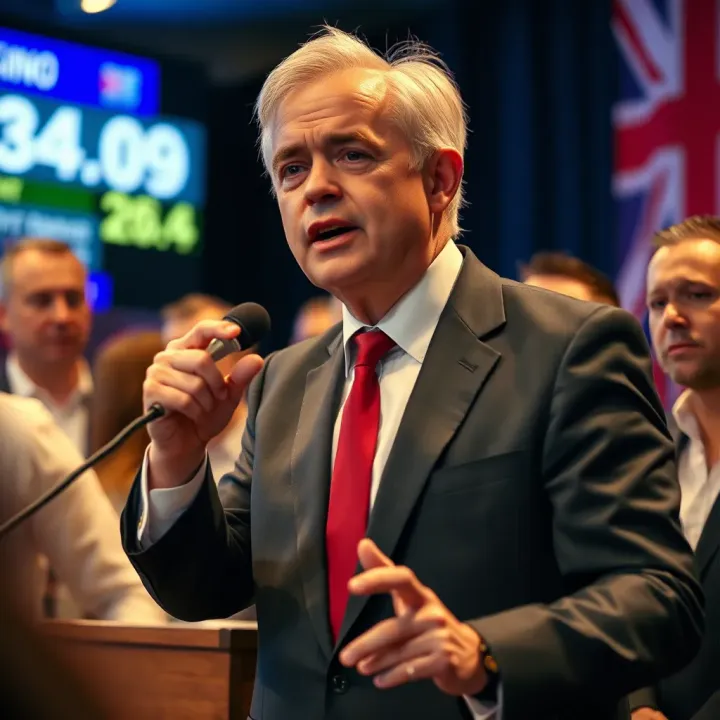
The idea of a fair go isn’t simply about equality—it’s also about recognising the hard yakka and effort people put in, and ensuring their efforts aren’t undermined by disadvantage or unfair practices.
At its core, the fair go concept embraces practical fairness rather than entitlement. This distinction matters because it shapes public expectations and political messaging. Shorten’s discourse often highlights dignity for workers and practical support for families, rather than broad promises of handouts.
But promoting the fair go principle hasn’t been without its hurdles. The political landscape demands balancing fairness with economic realities and voter sentiments. Critics have sometimes accused Shorten of over-promising or being out of touch with fiscal constraints. For instance, debates over tax reforms and welfare adjustments under his leadership sparked controversy, reflecting the challenges of translating fairness into policy without alienating key groups.
Understanding how Shorten engages with the fair go ideal offers valuable insight into Australian politics. It sheds light on the ongoing tensions between social justice and economic management — a balancing act central to the nation’s political debates.
In the next sections, we'll explore how the fair go idea shapes Australian culture and how Shorten’s policies have sought to embody, as well as test, this core value.
The idea of a 'fair go' sits at the heart of how many Australians see themselves and how they expect others to behave. It’s not just a saying you hear around the barbecue; it’s a core principle that shows up in social attitudes, workplace expectations, and even politics. For professionals in fields like accounting, IT, marketing, retail, or education, knowing what 'fair go' means is practical. It helps to understand community values, anticipate public sentiment, and navigate workplace culture that leans on fairness as a key expectation.
The phrase 'fair go' has been part of Australian speech since at least the early 20th century. Its roots lie in the nation's early colonial experience, where the settlers faced harsh conditions and needed a sense of mutual fairness to survive and thrive in a tough environment. This phrase came to symbolise a basic assumption that everyone deserves a reasonable chance without unfair advantage or disadvantage.
Over time, 'fair go' has moved beyond just survival or basic fairness. It’s tied to the idea that Australia aims to be a fair society where people aren’t discriminated against for background, class, or status. This historical context matters because it explains why fairness isn’t seen as charity but as a right.
Identifying the 'fair go' in everyday life helps explain common Australian values. For instance, if a colleague is new to the job and still learning the ropes, there's an expectation they'd be given a chance to prove themselves, rather than being judged harshly from the start. Or when local councils debate community sports funding, citizens often argue that every suburb deserves a slice of the pie, rather than concentration in wealthier areas.
'Fair go' aligns closely with social justice principles in Australia. It means people expect equal treatment under the law and support for policies that aim to reduce inequality. This helps workplaces and communities function smoothly because fairness fosters trust and cooperation, such as fair pay negotiations or equitable access to health services.
Workplaces especially reflect these values. People want a level playing field where promotions and rewards aren’t about who you know, but what you deliver. For example, fair rostering practices in retail or education workplaces come under the purview of this value, ensuring staff aren’t unfairly burdened.
Mateship and community support complement the 'fair go' perfectly. It’s about sticking up for others, helping out in tough times, and sharing opportunities. Whether in a local club or a software team, this culture means people look out for each other and expect to be treated with respect and decency. That sense of solidarity reinforces the expectation that everyone should have a fair chance, both at work and in life.
Understanding the 'fair go' gives you insight not just into Australian culture but into the practical ways fairness shapes policies and everyday choices in workplaces and communities alike.
Bill Shorten’s political journey is tightly linked to the ideal of the 'fair go' in Australia. His career shows a consistent effort to champion fairness, especially for working-class Australians and disadvantaged groups. Understanding this connection helps explain how his values shaped his policy priorities and public messaging.
Bill Shorten cut his teeth in the labour movement as a union official. He was deeply involved with the Australian Workers’ Union before entering federal politics. This experience gave him practical exposure to workplace struggles and the need for fair pay and conditions. It’s these early years where Shorten’s commitment to workers’ rights and collective bargaining took firm root.
The union environment also honed his negotiating skills and helped him build connections with everyday Australians. Such background is practical since it grounded his political stance in the realities of working lives rather than abstract ideals.
Shorten served in various capacities, including as Minister for Employment and later as Leader of the Opposition. His time in government allowed him to try turning 'fair go' values into policy, while opposition years had him defending those ideas against often tough political challenges.
These roles showcased both his ability to push for reforms and navigate political roadblocks, essential for anyone aiming to make fairness more than just words.

Throughout his career, Shorten focused on policies targeting income inequality, job security, and social welfare improvements. For example, he advocated for increased funding to public services like healthcare and education, reflecting a practical strategy to support disadvantaged Australians.
He also pushed for fair wages and tighter regulations on employer practices, aiming to make workplaces more equitable. These policies were not just politically appealing but were designed to improve everyday lives.
Shorten’s public speeches and communications frequently include the term 'fair go', tapping into a deep national sentiment. He uses straightforward language, avoiding jargon, to connect with a broad audience. His messaging often frames fairness as a right, not a privilege, which resonates with many Australians.
Such rhetoric helps make complex policy debates relatable and underlines the principle that everyone deserves a chance, whether in the workplace or community.
In practice, Shorten has consistently advocated for unions, workers facing insecure jobs, and marginalised groups like Indigenous Australians. His approach is hands-on, often supporting campaigns and legislative efforts to secure better conditions and services.
This practical advocacy means he's not just talking about fairness but participating actively in efforts that seek real change.
During the 2016 and 2019 federal elections, Shorten’s campaign speeches frequently highlighted the 'fair go' ideal. He spoke about closing the gap in wages, funding for regional schools, and support for pensioners and carers.
These concrete examples reinforced his image as a politician committed to making fairness visible in policy outcomes, not just rhetoric.
Bill Shorten’s career, grounded in union roots and clear public messaging, illustrates how the Aussie 'fair go' can shape political action aimed at real-life improvements for many Australians.
The principle of a "fair go" lies at the heart of various policy efforts in Australia, shaping directions that aim to provide genuine equity and opportunity across the board. Bill Shorten's political engagement focuses keenly on sectors where disparities can be reduced or eliminated, reflecting a practical application of this ideal. The policies touched here broadly impact workplaces, community wellbeing, and economic participation.
Focus on fair pay and conditions: Ensuring fair pay and decent working conditions remains a cornerstone of Shorten’s agenda. This isn’t just about a wage increase; it’s about setting a standard that recognises workers' contributions fairly. For example, campaigns for lifting the minimum wage and cracking down on exploitative casual contracts reflect ongoing efforts to strengthen workers' economic security. These moves help retail workers and educators alike by promoting stable incomes and fair treatment.
Efforts to strengthen unions: Unions play a key role in advocating for workers, and Shorten’s background in unionism signals his commitment here. Strengthening unions translates into giving employees a stronger collective voice in negotiations, improving conditions on the factory floor or in offices. For instance, supporting union rights to organise and bargain helps balance the power dynamic, which often favours employers, making workplaces fairer.
Responses to employer practices: Addressing unfair employer tactics—like dodgy wage claims or unsafe work environments—forms another front. Shorten’s stance typically supports tougher regulation and enforcement by bodies such as the Fair Work Commission. It’s about holding employers accountable so workers aren’t left at the mercy of corporate decisions that neglect safety or fairness.
Policies addressing poverty and disadvantage: Tackling poverty fits squarely with the "fair go" ethos. Measures such as increasing income support payments or expanding access to social housing aim to reduce the gulf between different groups. This focus benefits communities often ignored, ensuring people get the help needed to move forward without unnecessary obstacles.
Healthcare access and education: Guaranteeing affordable healthcare and quality education is another practical step toward fairness. Policies promoting Medicare funding and scholarships for disadvantaged students work to level the field. For example, increasing support in regional schools or hospitals helps those outside major cities to access vital services without facing an uphill battle.
Support for Indigenous communities: Addressing Indigenous disadvantage requires tailored policies respecting culture and history. Initiatives that fund health programs, education, and land rights are essential. Supporting Indigenous-led projects acknowledges their autonomy and fosters genuine inclusion, not just token gestures.
Tax reform and redistribution: Redistributing wealth through tax policy is a straightforward way to support fairness. Reforms targeting excessive tax avoidance and introducing more progressive rates ensure the system doesn't favour the wealthy disproportionately. This helps fund essential services and public programs benefiting all Australians.
Infrastructure investment: Building up infrastructure in underserved areas opens new economic opportunities. Investments in transport, digital connectivity, and community facilities boost access to jobs and services. This approach particularly benefits regional areas, reducing the urban-rural divide.
Job creation initiatives: Programs aimed at creating jobs—including apprenticeships and incentives for businesses to hire locally—embody the "fair go" by tackling unemployment directly. When people have a fair chance to get steady work, it drives broader economic and social wellbeing.
A fair go in policy is about cutting through inequality at its roots—whether in workplaces, communities, or the economy—so everyone has a genuine shot at success.
Each of these policy areas shows how ideals translate into practical steps, aiming to balance opportunity and fairness across Australian society.
Bill Shorten’s dedication to the 'fair go' principle hasn't come without hurdles. Understanding these challenges offers insight into why achieving fairness through politics isn't straightforward. From pushback by conservatives to media portrayals and balancing social aims with economic limits, each aspect reveals tensions that politicians constantly juggle.
Criticisms from conservative parties have been persistent, largely framing Shorten’s policies as either economically risky or ideologically driven. For example, Coalition members often argue that Shorten’s focus on increasing workers' rights and welfare spending could harm business confidence or hinder job growth. This critique isn't just political rhetoric; these opposing views shape public debate and influence policy outcomes by pressing governments to justify spending and reform choices.
Media framing of fairness claims also plays a pivotal role. Coverage sometimes portrays Shorten’s 'fair go' rhetoric as electioneering or unrealistic idealism, especially in segments focused on budget costs or labour market impacts. This framing tends to emphasise conflict and doubt, affecting how everyday Australians perceive not only policies but the sincerity behind them. A concrete case is media discussion around Shorten's proposed tax reforms, where the focus often shifted from potential benefits to alleged risks and complications.
Public perception and trust issues can be traced to both political and media influences. Polls have shown mixed reactions to Shorten, with some voters appreciating his fair-minded stance while others distrust his economic promises. Trust wobbles can reduce support even when policies address real inequalities, as voters might fear unintended outcomes or policy overreach. This dynamic underlines the importance of clear communication and manageable goals in political leadership.
The debate over government spending often challenges Shorten’s efforts to promote a fair go. While investing in healthcare, education, and infrastructure reflects fairness ideals, critics warn about budget deficits and economic sustainability. For instance, proposals to increase education funding have sparked debates about raising taxes versus cutting waste, with those wary of bigger government pushing back hard.
Challenges in policy implementation revolve around translating fair-go ideals into practical, effective programs. Policies supportive of disadvantaged groups can encounter bureaucratic delays, funding constraints, or unintended effects like dependency or inefficiencies. A good example is welfare reform attempts that aim to encourage employment but must avoid punishing vulnerable families.
Finally, conflicts between fairness and market forces highlight intrinsic tensions. Fairness often implies redistribution or protections that clash with competitive market principles prioritising efficiency and innovation. For example, enforcing higher minimum wages to secure fair pay can lead some employers to reduce hiring or automation, affecting job availability. These trade-offs require careful navigation to maintain economic health without sacrificing social justice.
Navigating the 'fair go' principle in politics demands balancing idealism with pragmatic economics and managing perceptions shaped by opposition and media. Bill Shorten's experience reveals the ongoing challenge of translating cultural values into effective policies.
Together, these challenges show why promoting fairness in Australia’s political landscape is complex, requiring nuanced strategy beyond slogans or good intentions.
Bill Shorten’s approach to the ‘fair go’ has left a mark on both the Australian Labour Party and the broader societal conversation on fairness. His leadership stirred notable shifts in party policies, helped clarify the party's identity, and sparked public debate on social justice. Understanding his legacy helps us see how this Aussie ideal continues to influence politics and everyday life.
During Shorten's time as leader, the Australian Labour Party moved towards a stronger focus on workers’ rights and social equity. His union roots and advocacy shaped Labour’s messaging, emphasising fair pay, better conditions, and welfare support. These shifts saw a clearer commitment to tackling economic inequality, contrasting with previous approaches that sometimes leaned more towards market-friendly policies. This gave Labour a sharper edge on fairness issues, even if it attracted criticism from business groups.
Some of the policies championed by Shorten—including implementing plans for a National Disability Insurance Scheme (NDIS) and pushing for increased superannuation contributions—have outlasted his leadership. These initiatives provide practical benefits by improving social safety nets and retirement security for many Australians. His efforts to reform tax brackets to ease pressure on low- and middle-income earners also resonate beyond his time in office, reflecting lasting policy shifts aligned with the fair go ethos.
Shorten reinforced the Labour Party's identity as the defender of the ‘ordinary working Aussie’. His style and rhetoric reinforced the party’s connection to mateship and egalitarianism. This helped rally support from unions and community groups who see fairness as a key Labour value, and positioned the party as one focused on practical fairness rather than ideologies alone. It also defined an expectation for future leaders to keep fairness front and centre in policy and communications.
Shorten’s leadership brought the conversation about fairness into everyday talk, making complex policies relatable through the 'fair go' lens. Ordinary Australians saw debates about wages, healthcare, and education framed around this familiar principle. This engagement encouraged people from all walks of life—whether retail workers or IT professionals—to consider social justice not just as policy jargon but as something affecting their daily lives and choices.
His focus pushed social justice beyond academic circles into the mainstream. Topics like income inequality, access to services, and Indigenous rights gained more media and public attention during his campaigns. By consistently linking these issues to the ‘fair go’, Shorten helped normalise fairness as a political and social goal. This shift meant discussions often centred on practical outcomes, such as securing fair wages or supporting vulnerable communities, rather than abstract ideals.
The ‘fair go’ remains a rallying cry in Australian politics, partly due to Shorten’s efforts to embed it in policy debates and public discourse. It continues to shape how politicians and voters assess fairness in economic and social policies. Whether it’s discussions on housing affordability or workplace rights, the idea of a fair go provides a straightforward standard against which actions are measured. This ongoing relevance underscores how deeply the concept resonates across different sectors and demographics.
Bill Shorten’s legacy lies in making the ‘fair go’ a living part of policy and public debate, showing that fairness isn’t just a phrase but a measurable goal affecting everyday Australians.
Labour Party policies shifted clearly towards fairness under Shorten’s leadership.
His policy initiatives have lasting practical effects.
Shorten helped solidify the party's identity around the fair go ideal.
The public now more readily engages with fairness issues in personal and political contexts.
Conversations around social justice have become more grounded and widespread.
The fair go remains central to Australian political and social life, continuing to shape expectations and policies.
Explore the Aussie fair go 🇦🇺—a key part of our identity that shapes fairness, opportunity, and how we treat each other in everyday life and politics.
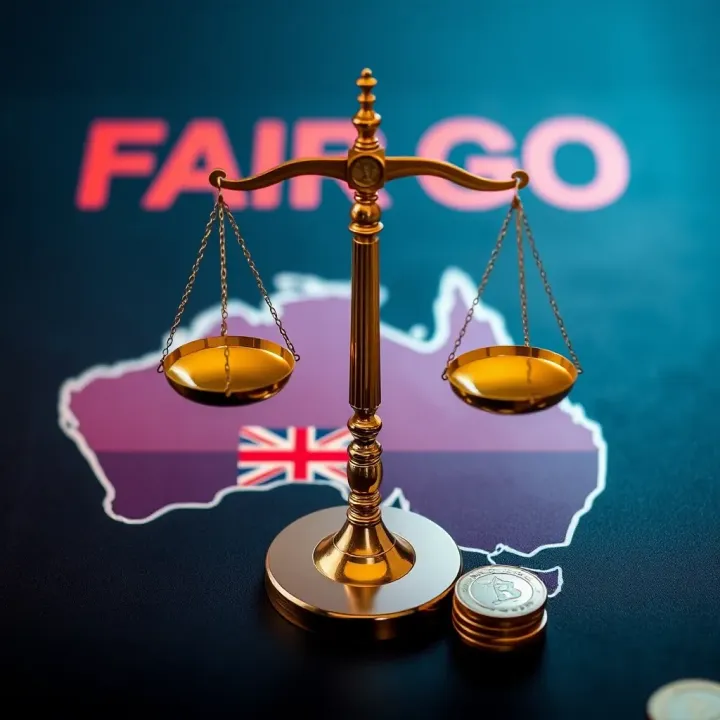
Explore the fair go concept 🇦🇺—a key Aussie value promoting equal opportunity, justice, social unity, and its challenges shaping policies and daily life today.

Explore how the Aussie 'fair go' shapes fairness, respect, and equal opportunity at work and in life 🇦🇺 Plus, see the challenges it faces today.

🗣️ The Fair Go Forum offers Aussies a spot to discuss important social, economic, and political matters, shaping community views and policy changes together.
Based on 15 reviews