
Understanding 'Fair Go' in Australian Culture
Explore how the Aussie 'fair go' shapes fairness, respect, and equal opportunity at work and in life 🇦🇺 Plus, see the challenges it faces today.
Edited By
Jack Reynolds
The phrase fair go is more than just a saying down under; it's a bedrock belief shaping how Aussies approach life and one another. At its core, a fair go means giving everyone a reasonable chance to succeed, no matter their background or situation. It’s about equal opportunity and justice—principles that echo through workplaces, schools, and communities.
Historically, the fair go has roots in Australia's colonial days when settlers and convicts alike faced hardships. While the context has evolved, the value remains strong, underpinning policies on workers’ rights, education access, and social welfare.
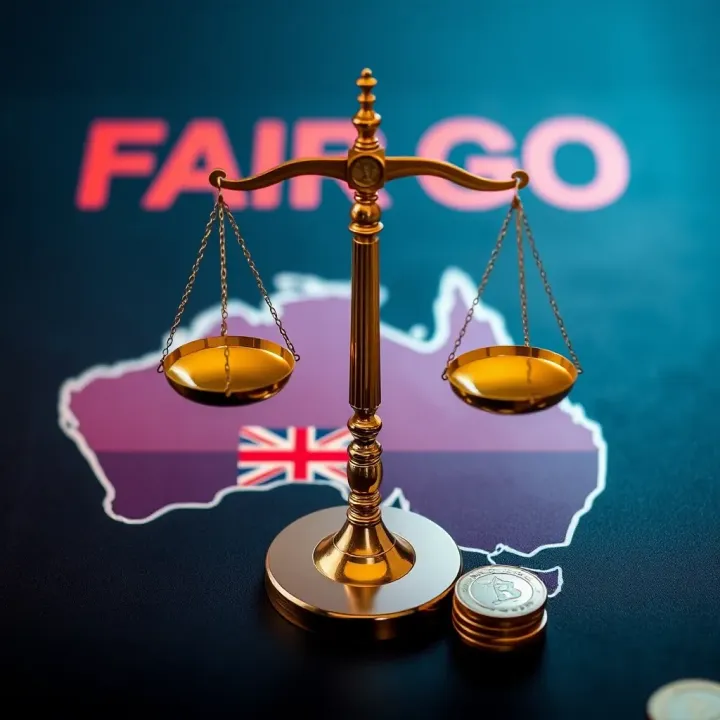
In everyday life, the fair go can be as simple as a boss offering all staff equal chances for promotion or a school ensuring every student receives the support they need. In legal terms, it translates to laws designed to prevent discrimination and promote fairness, such as anti-discrimination legislation enforced by the Australian Human Rights Commission.
A fair go is about more than just fairness; it’s a tool for social cohesion and trust, helping to keep society moving forward in a balanced way.
That said, achieving a fair go is an ongoing challenge. Issues like economic inequality, racial discrimination, and access to quality healthcare show there’s still work to be done. For professionals in fields like IT, marketing, retail, or education, understanding this concept is crucial. It influences workplace culture, customer interactions, and community engagement.
Encourages inclusive workplaces where talent thrives.
Supports policies that level the playing field.
Builds stronger communities by promoting mutual respect.
The fair go remains a key thread in Australia’s social fabric, urging us all to keep an eye on fairness and equal rights, both on the job and beyond.
The idea of a fair go runs deep in Australian society. It’s not just a vague notion of fairness but a principle that shapes attitudes and behaviours, influencing everything from workplace relations to community interactions. Understanding where this value comes from helps explain why it resonates so strongly today.
The concept of a fair go traces back to Australia’s colonial days. Early settlers, mostly convicts and free settlers, faced harsh conditions and sought a level playing field. Unlike European hierarchies, the relatively new society encouraged a less rigid class system, fostering fairness as a survival tool. For example, the emergence of the "bush ethos" celebrated mateship and mutual support, shaping a culture where everyone deserved a fair chance regardless of background.
The labour movements of the late 19th and early 20th centuries were vital in cementing the fair go as a practical ideal. Unions fought for reasonable wages, safety conditions, and fair hours, pushing back against exploitative employers. Strikes like the 1891 Shearers’ Strike highlighted workers’ demands for fairness in pay and conditions. These movements laid foundations for workplace rights still protected by Australian laws today, showing fairness in action.
Alongside labour rights, Australian society developed strong egalitarian ideals promoting equal opportunity. This spirit was supported by policies such as the White Australia Policy (flawed as it was), aimed at creating a uniform society with equal rights for some. The shift to more inclusive policies later emphasised fairness across different social groups. The ongoing emphasis on giving everyone a fair go reflects these evolving ideals, where merit and equal opportunity take centre stage.
Today, the fair go forms a key part of the Australian identity. It shapes public expectations around justice and equality, reinforcing the belief that everyone has the right to similar opportunities in education, employment, and civic life. For instance, many Australians expect businesses and governments to act justly, whether it’s hiring fairly or providing support to disadvantaged groups. This expectation drives debates on issues like pay equity and social welfare.
Beyond individual rights, the fair go influences how communities connect and support each other. It underpins initiatives promoting multiculturalism and inclusion, helping to bridge divides between different cultural and socioeconomic groups. In practical terms, this means community programs and local councils often prioritise fairness in service delivery and participation opportunities. Such efforts not only maintain social harmony but also strengthen the sense of belonging across Australia’s diverse population.

The fair go isn’t just a saying—it’s a practical framework guiding fair treatment, equal opportunity, and social unity.
Understanding this origin and ongoing significance helps ground the fair go as a lived value, not just a polite idealism. It’s woven into laws, social expectations, and everyday exchanges that make Australian society tick.
The Fair Go shapes much of daily life in Australia, influencing how people access key opportunities and services. It means everyone should get a fair shot at education, work, healthcare, and public services, without facing unfair barriers. These principles are not just ideals; they guide real policies and behaviours that affect millions.
Equal chances for schooling are fundamental to the concept of a fair go. That means children from all walks of life, whether from remote communities in the Northern Territory or inner-city Sydney, should have similar opportunities to learn and succeed. For example, government funding schemes like needs-based allocations support schools in disadvantaged areas, helping level the playing field for students who might otherwise miss out. Without such efforts, children in less advantaged neighbourhoods could struggle to keep up.
In terms of workplace fairness and anti-discrimination, Australian workplaces are expected to promote equality and respect diversity. Laws backed by the Australian Human Rights Commission prohibit discrimination based on gender, race, age, or disability, among others. A practical illustration is when an employer takes complaints about unfair treatment seriously and acts to prevent bullying or unequal pay. These safeguards ensure that people can pursue careers without fear of bias, supporting a culture where merit and effort matter most.
Universal healthcare principles reflect the fair go by providing all Australians with access to medical care, regardless of income or background. Medicare makes it possible for anyone to visit a GP or hospital without worrying about crippling costs. This system is essential for both everyday health needs and emergencies—no one is excluded because they can't pay upfront, which reduces stress and promotes community wellbeing.
Addressing healthcare disparities is not just about access but ensuring treatments are appropriate and culturally sensitive.
When it comes to addressing barriers for marginalised groups, there’s ongoing work to make services truly inclusive. For instance, Indigenous Australians often face additional challenges in accessing healthcare and education due to location and historic disadvantages. Programs tailored specifically for these communities, like outreach health workers in remote areas or scholarships for Indigenous students, help bridge gaps. This commitment recognises that fairness sometimes requires extra support for those starting further behind.
Whether in classrooms, offices, or clinics, the fair go is about breaking down hurdles and letting people contribute fully to society. That’s why it remains a touchstone for discussions on social justice and equality across Australia today.
Legal frameworks form the backbone of maintaining a fair go in Australian society, providing clear rules that protect individuals from unfair treatment. These laws help level the playing field especially in workplaces and public services where the potential for bias or inequality can be high. They also offer practical pathways for those affected by discrimination or unfair practices to seek justice.
Protection against racial and gender discrimination has long been a focus in Australia's legal landscape. Laws such as the Racial Discrimination Act 1975 and the Sex Discrimination Act 1984 explicitly forbid discrimination in workplaces, education, and access to services. For example, an IT professional refused a promotion due to their gender would have grounds to challenge that decision under these laws, promoting equal opportunity.
This protection is more than just words on paper; it ensures everyday fairness across diverse sectors. Retail chains and schools routinely conduct staff training to comply with these laws, helping prevent prejudicial treatment before it arises.
Age, disability, and other areas covered expand the scope of anti-discrimination laws further. The Disability Discrimination Act 1992 safeguards people with disabilities by requiring reasonable adjustments in employment and public access, ensuring they don’t miss out on the fair go. Similarly, age discrimination laws protect older Australians from being unfairly overlooked for jobs or promotions simply due to their age.
For example, a teacher with a disability might be entitled to modified classroom resources or flexible scheduling to continue contributing effectively. These laws reinforce that fairness extends beyond race and gender, acknowledging the varied personal circumstances that affect equal treatment.
Minimum wage and workplace safety are crucial in guaranteeing a fair go for workers. The Fair Work Act 2009 sets the minimum wage, ensuring employees across industries receive fair pay for their work, regardless of employer size or location. For instance, retail workers in suburban stores benefit from this protection, guaranteeing a baseline income above which employers cannot undercut.
Workplace safety laws overseen by Safe Work Australia complement these by setting standards to protect workers from harm. This matters for people in hands-on roles, such as warehouse staff or teachers handling large groups, where the risk of physical injury is present.
Unions and collective bargaining play a vital role in protecting employee rights and advocating for better conditions. Australian unions represent workers in sectors ranging from education to manufacturing, negotiating on behalf of members to secure fair wages, leave entitlements, and safer workplaces.
Collective bargaining strengthens workers' voices, balancing power between employee and employer. For example, members of the Australian Education Union might negotiate better class sizes or professional development conditions, which is hard to achieve individually. The legal recognition of these negotiations ensures that fair go principles are embedded in everyday working lives.
Legal protections around fair work and anti-discrimination aren't just idealistic ideas—they actively shape how equal opportunity plays out day to day in Australian workplaces and communities.
This legal backdrop supports the fair go principle by providing enforceable standards that reflect Australia’s commitment to fairness and equal treatment under the law.
The idea of a fair go is deeply entrenched in Australian society, but it faces serious challenges in the modern context. These debates matter because they touch on who truly gets a fair shot in life and how society balances competing interests. Understanding these issues helps people grasp why fairness sometimes feels out of reach and what can be done about it.
Effects of income disparity: Income inequality is a major hurdle to the fair go ideal. When a small percentage of the population holds a large share of wealth, many Australians struggle to keep pace with rising living costs, especially in cities like Sydney and Melbourne. For example, workers in low-paid jobs such as retail or hospitality often find it tough to afford housing or education, despite Australia's reputation for decent living standards. This gap reduces social mobility, leaving some stuck in cycles of disadvantage.
Access issues for Indigenous Australians and newly arrived communities: Indigenous Australians and recent immigrants frequently face barriers that slow their access to opportunities. In remote Indigenous communities, for instance, employment rates lag behind urban areas due to limited infrastructure and long-term social factors. Newly arrived communities might hit language or credential recognition walls that prevent quick employment. These issues create a two-speed society, undermining the promise of equal opportunity for all.
Welfare system debates: Welfare is often at the centre of arguments about fairness. Critics argue that too much support can discourage effort, while supporters point out that social safety nets prevent people from falling through the cracks. For example, Centrelink payments provide essential support for unemployed Australians but face criticism from some who believe they promote dependence. Striking the right balance is complex but crucial to maintaining both fairness and personal accountability.
Public attitudes towards fairness: Australians generally want fairness but differ on what that looks like. Surveys show many favour helping those genuinely in need but resist what they perceive as handouts for people who could work but choose not to. This divide colours public debates and policy decisions. For professionals in fields like marketing or teaching, understanding these attitudes helps tailor communication that respects Australian values without oversimplifying tricky social issues.
Fairness isn’t just about rules; it’s about how society sees and supports each other, especially when life isn’t on equal footing.
Overall, facing these challenges openly is key to keeping the fair go more than just a slogan. It requires honest conversations, targeted policies, and willingness to recognise that fairness often means giving extra help where it's most needed.
The fair go underpins social cohesion by fostering a sense of belonging and mutual respect among diverse groups in Australia. When people believe they will be treated fairly and have equal opportunities, communities tend to be more stable and unified. This shared value reduces social tensions and helps bridge divides between different cultural, economic, and social backgrounds. It’s not just an ideal but plays out practically in everyday relationships and institutions.
Multiculturalism and inclusion initiatives stem directly from the fair go principle, helping Australians from various cultural backgrounds feel valued and respected. Programs like Welcome to Australia, run by community organisations, offer language support, cultural orientation, and mentoring for newly arrived migrants. These efforts make it easier for diverse groups to participate fully in society while maintaining their cultural identity.
Such initiatives don’t just benefit newcomers; they deepen all Australians’ understanding of different traditions and viewpoints. Schools and workplaces that actively promote cultural awareness foster an environment where discrimination is less likely to occur and respect becomes the norm rather than the exception. This practical embrace of multiculturalism strengthens the social fabric and reduces cultural misunderstandings that might otherwise divide communities.
Community programs and volunteering opportunities provide tangible ways for individuals to contribute, embodying the fair go in action. For instance, Meals on Wheels and regional Landcare groups rely on volunteers to support vulnerable people and protect the environment. These activities not only fulfil community needs but also connect individuals from different walks of life, reinforcing social bonds.
Political involvement reflecting fairness is equally vital. Australia's commitment to fair voting systems—such as compulsory voting and preference distributions—ensures everyone’s voice counts, reducing the risk of marginalisation. Beyond casting a vote, engagement can include participating in public consultations or joining local councils, where policies can be shaped to reflect diverse community needs fairly. This democratic involvement reminds people their participation and rights matter, promoting a cohesive society where fairness isn’t just talked about but lived.
Fairness fosters trust in both social relationships and institutions, making social cohesion achievable in a country as diverse as Australia.
Together, respect across cultures and active civic engagement show how the fair go continues to build and maintain social cohesion, making Australia’s social landscape more inclusive and just for all.
Explore how the Aussie 'fair go' shapes fairness, respect, and equal opportunity at work and in life 🇦🇺 Plus, see the challenges it faces today.
Explore the real meaning of the fair go 🇦🇺 and its impact on Aussie social views, workplaces & policies. Understand why this Aussie value still matters today.

🔐 Learn how to easily log in to Fair Go Casino from any device, fix common issues, keep your account safe, and get your gaming sorted hassle-free in Australia.
Discover how the 'fair go' shapes sport and daily life in Australia 🤝. Explore fairness, respect, and equal opportunities on and off the field.
Based on 14 reviews