
Understanding the Australian Fair Go
Explore the Aussie fair go 🇦🇺—a key part of our identity that shapes fairness, opportunity, and how we treat each other in everyday life and politics.
Edited By
Liam Parker
Brian Edwards carved out a significant place in Australian consumer advocacy through his involvement with the TV program Fair Go. This show, launched in the 1980s, became a trusted platform for ordinary Aussies to air grievances about dodgy tradespeople, misleading products, and unfair business practices. Edwards acted as a key figure in bringing these consumer issues into the public eye, making a real difference in how everyday people understood their rights.
Unlike merely reporting on complaints, Edwards helped make Fair Go a hands-on watchdog. He pushed for fair treatment and accountability, not just passing on stories but actively investigating claims. For instance, he was involved in segments that tested faulty goods or checked dubious service providers, which often led to businesses fixing problems or correcting misinformation.
"Fair Go gave everyday Australians a voice against unfair treatment. Edwards' role was vital — he didn’t just report on issues but campaigned for fair outcomes," noted an industry commentator.
His work on the show wasn’t isolated; it fed into broader consumer protections developing in Australia. The public pressure from Fair Go’s investigations often prompted regulators like the Australian Competition and Consumer Commission (ACCC) to step in or review policies. Edwards' approach made consumer rights more visible and easier to understand, which is a win for both consumers and businesses aiming for fairness.
For professionals such as accountants, IT specialists, marketing teams, and retail workers, Edwards’ legacy highlights the importance of transparency and ethical conduct. His coverage reminds businesses to stick to honest practices — misleading advertising or subpar service might not stay under wraps for long. Teachers and educators also found value in his work, using examples from Fair Go to teach about consumer rights and responsibility.
In the next sections, this article will dig deeper into Edwards' career beyond the show and explore how his passion translated into long-term gains for Australian consumers. For anyone wanting to understand consumer advocacy in Australia, his story offers practical insights about public accountability and the power of clear, well-investigated information.
Understanding Brian Edwards' professional background gives us a clearer picture of how he came to be a trusted figure in Australian consumer advocacy. His career path reveals the mix of skills and experiences that helped shape his approach to media and consumer rights.
Brian Edwards started out in the media world as a radio announcer before shifting to television, where he built a reputation for his direct style and thorough research. His work spanned different formats, including news and talk shows, which gave him a broad understanding of how to connect with audiences. For example, his ability to break down complex issues into straightforward language made consumer complaints more relatable and accessible to the everyday viewer. He moved into consumer advocacy through his deep interest in holding businesses and government agencies accountable for their treatments of customers.
In media, Edwards stood out by blending journalistic integrity with a passion for justice. His role extended beyond just reporting; he actively pursued stories that affected consumers, often pushing for follow-ups on complaints and systemic issues. This hands-on approach was key in programs like Fair Go, where he not only presented cases but helped push for reforms. His influence helped spotlight unfair business practices, contributing to the public's understanding of their rights in areas such as product safety and service quality. Plus, his calm but firm style allowed him to challenge both powerful corporations and government bodies without alienating audiences or interview subjects.
Brian Edwards' background as a broadcaster and consumer advocate illustrates how expertise in communication can directly support consumer rights by making tough issues approachable and actionable.
Through his career journey and media presence, Edwards has set a standard for what media-driven consumer advocacy looks like—not just relaying complaints, but sparking tangible change and empowering Australians to stand up for fair treatment. This makes his career background essential to understanding his role on Fair Go and the wider consumer protection landscape in Australia.
Fair Go has earned its place as a staple in Australian consumer affairs since it first hit the screens. Its primary aim has been straightforward: to spotlight unfair treatment of consumers and hold companies or services accountable. From exposing dodgy car repairs to investigating misleading marketing claims, Fair Go acts as a watchdog for everyday Australians.
The program's impact goes beyond just stories that grab attention. It's shaped consumer attitudes and practices, pushing businesses to improve standards. For example, after an episode revealing unfair refund policies at a major appliance retailer, many viewers called for changes that eventually led to clearer consumer protections under the Australian Consumer Law. It’s not just noise on TV – Fair Go has genuinely influenced how goods and services are sold and delivered across the country.

Fair Go supports consumers in practical ways. It provides a platform where people can air grievances that might otherwise go unheard. Take the case of a family who got stung by a builder’s shoddy work. After their story aired, not only did they get a fair resolution, but other customers also gained the confidence to report similar issues.
Furthermore, the program educates viewers about their rights. It breaks down complex legislation around consumer law into everyday language, helping people understand what’s fair and what’s not. This guidance is crucial for sectors like retail, IT, and education, where customers might face confusing terms and conditions.
Fair Go acts as both a shield and a voice for consumers, creating a practical avenue to challenge unfair practices and raise public awareness.
Key ways Fair Go supports Australians include:
Highlighting examples of consumer scams or rip-offs, leading to better awareness.
Investigating complaints that lead to actual change or compensation.
Explaining consumer rights clearly, so people can make informed choices.
Putting pressure on businesses to play fair.
In short, Fair Go is more than a TV programme; it’s a trusted resource that equips Australians with the knowledge and backing they need to stand up for themselves in the market.
Brian Edwards played a significant role in shaping Fair Go's reputation as a tough consumer affairs program. His work didn't just expose dodgy business practices; it also helped everyday Australians understand their rights and navigate complaints more effectively. Edwards approached each story with thorough research and clear communication, which made the issues accessible and relevant to a broad audience.
Edwards led several investigations that grabbed public attention and pressured companies into change. One memorable case involved uncovering misleading warranty terms from a major appliance retailer, which left many consumers unaware they were not fully covered. His coverage prompted the retailer to revise its warranty policy and offer compensation to affected customers.
Another impactful story exposed substandard building materials used in some residential constructions, sparking discussions at both the consumer and government levels. This investigation contributed to stricter regulations and more rigorous inspections in the building industry.
These examples underline how Edwards focused on tangible issues facing Aussies — things people could relate to because they affected their everyday lives. His reporting was always grounded in solid evidence but presented in a way that encouraged viewers to take action.
Edwards' advocacy style was hands-on and practical. He combined hard-hitting journalism with a genuine concern for consumers’ welfare. Instead of just reporting problems, he aimed to provide solutions or clear pathways for resolution.
His interviews with consumers and officials were direct but fair, often pushing for accountability without alienating stakeholders. Edwards also used plain language to explain complex legal or business terms, ensuring his audience wouldn't feel lost amid jargon.
One of his key approaches was collaborating with viewers, inviting them to share experiences and tips, which added depth and authenticity to reports. This two-way communication empowered people to speak up and reinforced Fair Go's role as a community-focused program.
Edwards’ work showed that effective consumer advocacy rests on clear storytelling combined with actionable advice and real-world impact.
In sum, Brian Edwards didn't just report on consumer issues; he contributed to a broader culture of accountability and awareness in Australia. His work on Fair Go set a standard for consumer journalism that remains influential today.
Fair Go has left a lasting mark on how Australian consumers engage with their rights and services. The program's impact stretches beyond individual cases, shaping consumer protection laws and raising public awareness across the nation. Understanding its broader influence helps explain why it remains a trusted source in consumer advocacy.
Fair Go’s investigations have often spotlighted unfair business practices that prompted reviews and reforms in legislation. For example, after a series of reports exposing misleading advertising in the telecommunications sector, regulators tightened rules around advertising claims and customer contracts. This led to clearer terms and fewer hidden fees for everyday mobile and internet users.
Similarly, the program played a role in accelerating changes to tenancy laws in states like Victoria. Stories highlighting renters' struggles with unfair evictions and inadequate maintenance pushed lawmakers to enact stronger tenant protections, creating more balanced rights between landlords and tenants.
These tangible policy shifts show how Fair Go has gone beyond reportage to help shape the regulatory landscape, giving consumers better protections and more confidence when dealing with businesses.
Fair Go has cultivated a strong trust among Australians by directly confronting consumer issues that matter on a day-to-day basis. The program’s accessible format and clear explanations give viewers practical knowledge on how to challenge unfair practices or seek refunds.
That trust extends into broader consumer education. For instance, stories about scams targeting older Australians have led to increased awareness campaigns by government agencies. This has helped reduce scam success rates, saving millions in potential losses.
Moreover, the show’s efforts have encouraged consumers not to just accept issues silently but to speak up knowing there’s a public platform and support system backing them. By shining a light on real stories, Fair Go has fostered a culture where consumers feel empowered and more informed.
Fair Go’s influence is clear: it’s not just a TV program but a catalyst for change, providing both a voice for consumers and a nudge to businesses and lawmakers to play fair.
Overall, the program’s broad impact continues to benefit Australian consumers by enhancing protections, improving awareness, and boosting trust. These outcomes resonate well with those in professions requiring a solid grasp of consumer rights, like accountants advising clients, IT professionals assessing service providers, marketing specialists overseeing compliance, retail workers dealing directly with customers, and teachers who can pass practical knowledge to students.
Brian Edwards' work on Fair Go offers a rich well of lessons for anyone involved in consumer advocacy today. His approach underlines how practical, persistent reporting can bring about real change in policies and hold businesses to account. These lessons remain relevant for modern advocates seeking to navigate the complexities of consumer rights in Australia.
One of the standout strategies Edwards used was patient, detailed investigation combined with clear, relatable storytelling. He recognised that consumer issues often felt distant or confusing to the public. By breaking down complicated legal or business matters into simple, everyday language, he made the concerns accessible — much like how he explained faulty appliances or dodgy car repairs in straightforward terms.
Another tactic was his willingness to expose wrongdoing while giving companies the chance to respond. This balance helped build the program's credibility and kept conversations constructive rather than just confrontational. It’s a reminder that holding power to account doesn’t always mean aggressive tactics; thoroughness paired with fairness often wins public trust.
Plus, Edwards leveraged the reach of television well. Fair Go’s regular spot in households built familiarity and trust over years. This points to the importance of consistent presence — whether through media, social platforms, or community programs — in fostering long-term consumer awareness.
Challenges came thick and fast. One big hurdle was pushing through corporate resistance or legal roadblocks. Companies sometimes used legal threats or delays to wear down investigations. Edwards and team tackled this by being meticulous with evidence and often collaborating with consumer law experts, showing why solid legal grounding is crucial for such advocacy.
Another ongoing issue was keeping stories relevant to changing consumer trends, especially with technology evolving rapidly. Fair Go adapted by including fresh topics — like internet scams or digital privacy issues. This adaptability shows that future consumer advocates must stay alert to new challenges and be ready to pivot their focus.
The key takeaway: resilience and adaptability are as important as the message itself when you’re fighting for fair treatment.
By learning from Edwards’ practical methods and the obstacles faced, future advocates can better prepare themselves to protect Australian consumers effectively and keep the conversation alive in an ever-shifting landscape.
Explore the Aussie fair go 🇦🇺—a key part of our identity that shapes fairness, opportunity, and how we treat each other in everyday life and politics.
Explore the fair go concept 🇦🇺—a key Aussie value promoting equal opportunity, justice, social unity, and its challenges shaping policies and daily life today.

Explore how the Aussie 'fair go' shapes fairness, respect, and equal opportunity at work and in life 🇦🇺 Plus, see the challenges it faces today.
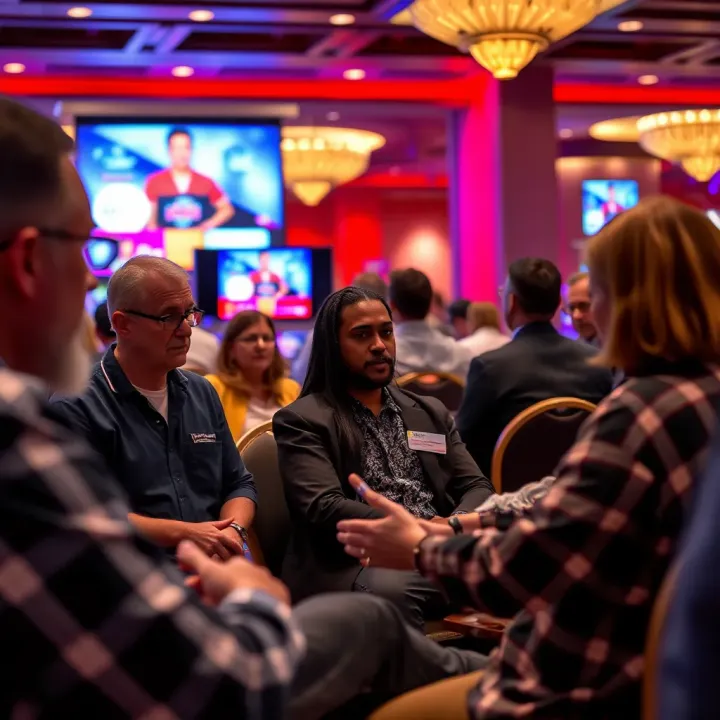
🗣️ The Fair Go Forum offers Aussies a spot to discuss important social, economic, and political matters, shaping community views and policy changes together.
Based on 14 reviews