

Understanding the Australian Fair Go
Explore the Aussie fair go 🇦🇺—a key part of our identity that shapes fairness, opportunity, and how we treat each other in everyday life and politics.
Edited By
Oliver Bennett
‘A fair go’ is more than just a saying in Australia — it’s a way of life. This simple phrase captures an essential value Australians hold dear: the belief that everyone deserves a fair chance, no matter their background. It’s about fairness, equality, and opportunity, and it seeps into everything from work culture to politics.
The idea roots itself in Australia’s history as a young nation built on mateship and shared hardship. Whether it was workers demanding better conditions in the early 1900s or individuals standing up against unfair treatment today, the spirit of a fair go has always been the call for justice and level playing fields.

In everyday life, ‘a fair go’ means more than equal treatment — it reflects the expectation that no one should be left behind or unfairly advantaged.
For instance, in the workplace, this can translate to fair pay and reasonable opportunities for promotion. In education, it’s the principle that every student, regardless of their suburb or family income, should have access to quality resources and support. Politically, it frames debates around social welfare, immigration, and Indigenous rights, pushing policies that strive to balance opportunity across society.
That said, the challenge lies in applying ‘a fair go’ in a country that’s culturally and economically diverse. Modern Australia faces complex questions: how do we ensure fairness in an era of rapid technological change? What happens when equal opportunity collides with systemic issues like inequality? These are ongoing conversations shaping what ‘a fair go’ means today.
Understanding this concept offers a practical lens into Australian culture, helping professionals across industries connect with the values that drive community and workplace behaviours. Whether you’re crunching numbers, managing IT projects, or teaching in a classroom, recognising the importance of a fair go can guide fairer decisions and stronger teamwork.
Understanding the roots of 'a fair go' reveals why it holds such significance in Australian culture. It’s not just a phrase but a reflection of values embedded deeply in the nation's history, shaping social attitudes and expectations. By tracing its origin and evolution, you can better appreciate how this concept influences interactions today.
The expression "a fair go" emerged in Australian English during the late 19th and early 20th centuries. Originally, it reflected a simple demand for honest treatment and an equal chance, especially in workplaces and communities of the time. For example, early mining towns and rural settlements often echoed calls for a level playing field among mates, where everyone deserved respect and a shot at success regardless of background.
This colloquial phrase quickly became part of everyday language, serving as a shorthand for fairness in daily dealings. Its ongoing use points to a shared understanding that fairness isn’t just about rules but about common decency.
'A fair go' took strong hold among settler communities and the working class. These groups often relied on mutual support to survive harsh conditions and uncertain economies. It wasn’t just about personal fairness but about community survival.
Practical fairness became essential in workplaces like factories and farms, where fairness affected wages, working conditions, and respect among peers. It echoed in union movements and labour rights campaigns, which pushed for equitable treatment. For instance, the 1891 Australian shearers' strike carried the spirit of 'a fair go' as workers demanded fair pay and conditions.
Australia’s national identity was shaped by a commitment to egalitarianism, favouring equal opportunity over hierarchical privilege. 'A fair go' fits neatly here as a cultural principle insisting everyone should get a shot, no matter their social standing.
This ideal influenced policies and social attitudes, such as the push for accessible education or fair public health services. The notion helps explain why Australians often expect their governments and businesses to provide fair access rather than special treatment for a few.
Today, 'a fair go' broadly means giving someone a reasonable chance — whether in job applications, sports, or social situations. It’s about not shutting people out due to prejudice or unfair barriers. For example, workplaces that embrace diversity often highlight their commitment to 'a fair go' by ensuring transparent recruitment processes.
This phrase resonates with many because it’s less about rigid rules and more about everyday fairness — a kind word, a level chance to prove oneself, or a refusal to tolerate bullying.
At its heart, 'a fair go' is about equal opportunity rather than guaranteed equal outcomes. It’s understanding that while everyone should get a shot, results will vary based on effort and circumstances. This distinguishes it from ideas that call for enforced equality.
For instance, education scholarships designed to support disadvantaged students reflect this principle, opening doors without promising identical results.

Importantly, 'a fair go' isn’t synonymous with legal fairness or due process. While courts enforce laws impartially, 'a fair go' speaks more to social expectations and ethical behaviour outside formal settings.
In everyday life, it’s about how people treat one another rather than courtroom justice. You could say it’s the difference between the letter and the spirit of fairness — the spirit being something all Australians connect with in informal ways.
A fair go in Australian culture is both a practical guide for behaviour and a symbol of the society’s deep-rooted desire for fairness and opportunity that benefits everyone, not just a select few.
Understanding where the phrase comes from and what it means today helps to see how it's more than words—it's a value shaping behaviour in workplaces, communities, and politics across Australia.
Community expectations for fairness run deep in Australian society. The idea of 'a fair go' shapes how people think others should be treated, encouraging a general sense of equality and respect. This plays out in everyday life where folks expect a level playing field, whether it’s about sharing resources or opportunities. For example, at a local footy club, everyone gets the chance to have a run regardless of skill level, reflecting a community’s informal commitment to fairness.
This expectation extends to everyday interactions where fairness acts like an unwritten rule. When Aussies queue up at the post office or server at the café, there’s an unspoken assumption that pushing in or cutting corners just won’t fly. It’s a small but constant reminder that fairness isn’t just a high-level value but something lived daily. These interactions help strengthen social bonds by ensuring people feel valued and not taken advantage of.
At work and in social settings, 'a fair go' influences behaviour strongly. In offices, it supports practices like fair pay and equal treatment in promotions or task assignments. For example, many companies have embraced transparent salary bands to prevent hidden biases. Socially, it affects how people treat others at gatherings or events, encouraging inclusiveness and discouraging discrimination. This fosters an environment where teamwork thrives because everyone feels they’re given a fair shot.
Labour rights in Australia have a clear link to the spirit of 'a fair go'. Workers expect decent pay and safe conditions—not because it’s just law, but because fairness demands it. Historical labour movements and today’s Fair Work Act echo this. Policies like the national minimum wage reflect efforts to ensure nobody is left struggling due to unfair workplace practices.
Fairness also plays an important part in education and healthcare. Australians generally expect equal access to quality schooling regardless of where they live, and Medicare embodies a commitment to healthcare fairness. These systems aim to prevent disadvantage tied to income or postcode. While gaps and challenges exist, the principle of giving everyone an equal start shapes public support for these services.
Welfare and social support spark plenty of debate around fairness. On one hand, there's consensus that help should be there for those in need; on the other, discussions arise about age-old worries of dependency or misuse. These debates reflect how 'a fair go' remains a balancing act—making sure support reaches those genuinely in need while also encouraging personal responsibility. It's this delicate mix that keeps the conversation alive in politics and policy.
At its core, 'a fair go' is more than just a saying; it’s a guiding principle that touches the way Australians live, work, and support each other every day.
Australia's commitment to "a fair go" faces real tests today, with growing social inequalities and political pressures making it harder to guarantee fairness for everyone. Understanding these challenges is key to grasping why this cultural value sometimes feels stretched.
Indigenous Australians often confront obstacles that undermine the ideal of "a fair go." Disparities in health, education, and employment opportunities mean that many Indigenous people struggle to access the same chances as others. For example, the life expectancy gap between Indigenous and non-Indigenous Australians remains significant, reflecting persistent disadvantages. Recognising this is crucial for shaping policies that genuinely promote fairness.
New arrivals to Australia and ethnic minorities can also find the path to a fair go blocked by language difficulties, cultural differences, and sometimes subtle forms of discrimination. A retail worker from a non-English speaking background may encounter biases that affect job opportunities or career progression. Practical support, like language programs and inclusive workplaces, plays a vital role in breaking down these barriers.
The widening income gap threatens fairness by concentrating wealth in cities while regional areas often miss out on services and jobs. Someone living in a remote town might face fewer educational and healthcare options compared to city dwellers. This imbalance challenges the idea that everyone in Australia should have equal chances, especially since regional communities tend to have stronger ties to traditional Australian values.
Global competition and advancing technology have shifted the labour market, putting pressure on workers in industries like manufacturing and agriculture. These shifts can leave some Australians behind, with fewer job options and less job security. For example, the decline in Australian car manufacturing led to job losses that weren't easily replaced, fueling concerns about who gets "a fair go" in a changing economy.
The soaring cost of housing is a real barrier to fairness, making it tough for many, especially younger Australians, to get a foothold on the property ladder. In places like Sydney and Melbourne, the average house price can be more than eight times the average household income, pushing people to the outer suburbs or shared living, affecting their quality of life and financial security.
Discussions around welfare often reflect tensions about fairness. Some argue that welfare systems are essential for giving people a fair go during tough times, while others believe they can discourage effort, sparking debate over the right balance. Political decisions about welfare support often signal how inclusive or divided Australian society is regarding the principle of a fair go.
"A fair go" remains a guiding idea, but these social and economic pressures show it's not guaranteed without continuous effort to address real-world inequalities.
Understanding these challenges helps us see why "a fair go" is not just a saying but a constantly evolving goal that demands attention from individuals and policymakers alike.
Neighbourly conduct and mateship offer a straightforward glimpse into how 'a fair go' operates in everyday life. Australians often prioritise looking out for one another, whether it’s helping a neighbour with gardening or sharing tools without expecting payment. This unspoken rule nurtures a sense of belonging and trust, making communities stronger. It’s more than kindness; it’s about fairness—everyone getting the help they need without hassle or red tape.
When it comes to customer and service provider relations, 'a fair go' sets the tone for honest and respectful exchanges. For example, shop assistants who treat customers with patience, even during busy times, reflect this value. Likewise, customers who respect return policies or accept fair prices contribute to a balanced relationship. This dynamic supports smoother transactions and fosters goodwill, reducing tensions that might otherwise flare up.
Sportsmanship and fairness in competition embody the spirit of 'a fair go' quite clearly. Whether it’s backyard footy or more formal contests, playing by the rules and respecting opponents matter more than just winning. Australians value a level playing field where effort counts and cheating is frowned upon. This outlook encourages not only fair play but also camaraderie and resilience.
'A fair go' is a key factor distinguishing Australian values on the world stage. It symbolises a commitment to equality and mateship that resists elitism or unfair advantage. This idea runs deep—many Aussies believe in second chances and support for those doing it tough, from a practical standpoint rather than empty sentiment.
Popular culture and media often highlight 'a fair go' through relatable stories and characters. TV shows, films, and even advertising campaigns showcase everyday struggles and triumphs grounded in fairness and opportunity for all. For instance, many Aussie dramas revolve around themes of standing up for the underdog or challenging injustices, resonating strongly because these narratives echo real social values.
The relevance of 'a fair go' for new generations continues to evolve but remains firmly planted. Younger Australians tend to view fairness through a broader lens, considering diversity, inclusion, and environmental concerns alongside traditional ideas. Yet, the underlying expectation that everyone should have an equal shot at success still holds sway, shaping attitudes at school, work, and online.
At its core, 'a fair go' binds individuals to one another through shared respect and opportunity, reinforcing the Australian identity in practical, everyday ways.
This value isn’t just nostalgic; it’s alive in daily exchanges and personal identities, reminding Australians why fairness matters beyond laws or policies.
Maintaining the value of 'a fair go' for future Australians is more than just tradition; it's needed to keep society just and balanced. As Australia continues to grow more diverse and complex, preserving this idea requires practical action both at policy level and within communities. This means laying down structures and nurturing attitudes that encourage fairness and equal chances, regardless of background or circumstance.
Education and equal opportunity programs are fundamental in giving everyone a leg-up. Schools and training centres focused on closing gaps help kids from all corners of the country get the support they need to succeed. For example, targeted mentoring and scholarship schemes in remote areas lift the chances of Indigenous youngsters competing on equal footing. These efforts create pathways where talent and hard work, not postcode or family income, decide outcomes.
Addressing systemic inequalities means recognising and fixing barriers that hold some groups back. This goes beyond personal effort; it's about dismantling structural roadblocks like unequal access to healthcare, discrimination in hiring, or unfair lending practices. Governments, businesses, and community leaders must work together on reforms, such as more transparent recruitment processes or programs focussed on reducing housing stress in lower-income suburbs, to level the playing field.
Community engagement and social cohesion play a vital part in sustaining 'a fair go'. By involving local voices in decision-making, policies can better match people's real needs. Community events, forums, and local committees encourage diverse groups to find common ground. A good example is neighbourhood initiatives bringing together new migrants and long-time residents to foster understanding and break down stereotypes — building a shared commitment to fairness on the ground.
Promoting empathy and respect anchors the value of 'a fair go' in everyday life. Understanding others’ situations helps reduce prejudice and encourages support rather than judgement. Simple actions, like listening closely to a colleague facing challenges or standing up to unfair remarks, reinforce fairness. Schools and workplaces that adopt respect programs create environments where fairness is seen as normal, not optional.
Role of individuals in maintaining fairness goes hand-in-hand with cultural values. Each person can contribute by calling out bias, sharing opportunities, or simply treating others with decency. For instance, an employee recommending a less-connected coworker for a role demonstrates practical fairness. Small acts accumulate, shaping social norms and expectations widely.
Supporting inclusive workplaces and communities means creating spaces where everyone feels valued and able to contribute. Australian companies integrating diversity policies and flexible work arrangements tend to see better morale and productivity. Community groups that celebrate cultural diversity and facilitate access to services give people a genuine fair go to participate in society.
Preserving 'a fair go' requires both system-level change and everyday actions. When policy backs inclusion and individuals uphold respect, the value stays alive for generations to come.
By combining thoughtful policies with a social mindset centred on fairness and empathy, Australia can keep this core value meaningful in a rapidly changing world. The idea of 'a fair go' will continue to shape squilitable opportunity, making sure no one is left behind as we move forward together.
Explore the Aussie fair go 🇦🇺—a key part of our identity that shapes fairness, opportunity, and how we treat each other in everyday life and politics.
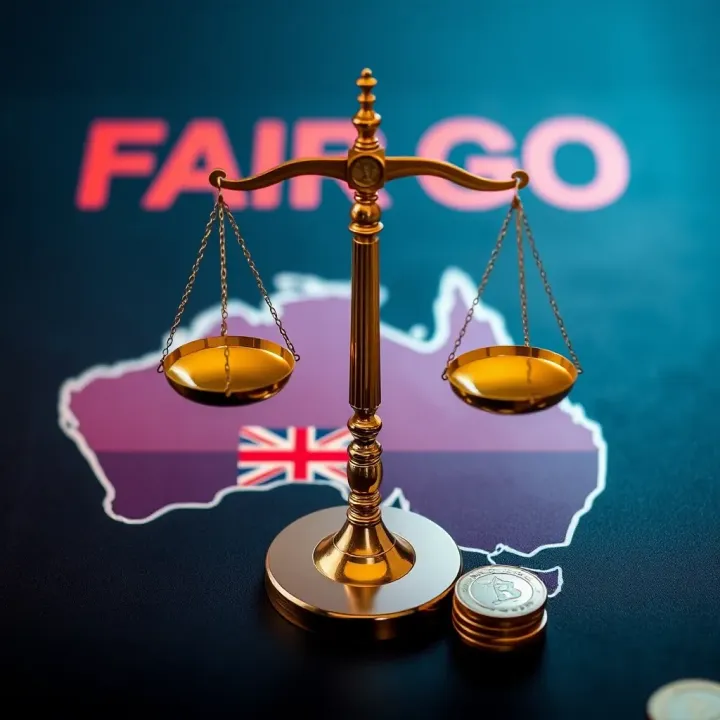
Explore the fair go concept 🇦🇺—a key Aussie value promoting equal opportunity, justice, social unity, and its challenges shaping policies and daily life today.

Explore how the Aussie 'fair go' shapes fairness, respect, and equal opportunity at work and in life 🇦🇺 Plus, see the challenges it faces today.

🗣️ The Fair Go Forum offers Aussies a spot to discuss important social, economic, and political matters, shaping community views and policy changes together.
Based on 13 reviews