

Understanding the Australian Fair Go
Explore the Aussie fair go 🇦🇺—a key part of our identity that shapes fairness, opportunity, and how we treat each other in everyday life and politics.
Edited By
Samuel Bennett
The idea of a fair go is deeply embedded in Australian culture. It’s a simple phrase that carries weight: everyone deserves an equal chance to succeed, be heard, and be treated justly. This principle shapes how we interact socially and influences workplace dynamics, politics, and everyday decisions.
The phrase isn't just a casual saying; it reflects a wider history of Australians pushing back against unfairness, whether in the job market or in social services. For instance, the fair go underpins strong workplace rights and anti-discrimination laws, which aim to give all workers—regardless of background—the opportunity to thrive. This ethos also colours political debates, where policies often focus on reducing inequality and supporting the disadvantaged.

At its core, a fair go is about respect, fairness, and empathy toward others, making it a cornerstone of social cohesion in Australia.
Understanding the fair go helps professionals across industries—from marketing specialists crafting inclusive campaigns to teachers fostering equitable classrooms. It encourages workplaces to promote diversity and create policies that support fair treatment.
Here’s what a fair go looks like in practice:
Offering equal opportunity for promotion and career development
Ensuring anti-bullying and anti-discrimination practices are firmly in place
Providing accessible public services that don't exclude marginalised groups
These tangible actions echo the broader Australian commitment to a society where basic fairness guides everyday life.
The concept isn’t without its challenges. Striking the balance between fairness and real-world outcomes can be tricky, especially when resources are limited or competing interests collide. Still, the promise of a fair go keeps Australians striving to make things better—not just for themselves, but for everyone.
This article digs deeper into what the fair go means today, touching on its origins, real-life impacts, and why it’s still a key value shaping Australia now.
Understanding where the concept of the "fair go" comes from gives real insight into why it’s such a touchstone for Australians today. It’s more than a phrase—it's a set of values built on a mix of Indigenous traditions, colonial history, and the evolving sense of equality across the nation.
Indigenous concepts of fairness and justice trace back thousands of years before European settlement. Many Aboriginal and Torres Strait Islander communities operated on systems that stressed balance and respect for all members. Justice wasn't about punishment alone but restoring community harmony—a practice that stresses fairness for the collective good. This outlook has practical relevance now, especially in discussions around reconciliaton and legal reforms, reminding us that "fairness" includes recognising cultural differences and historical contexts.
The colonial and convict backgrounds also shaped the fair go ideal. Early settlers and convicts faced harsh conditions and rigid class structures imposed by the British. Against this, a sense of mateship and standing up for one another emerged as survival tools. Though simple, this fostered a practical belief that everyone—no matter their start—deserved an equal chance, making the fair go more than a buzzword. You see traces of this today in Australia's ongoing focus on fairness in justice, employment rights, and welfare support.
Australia’s development of egalitarian ideals grew from these diverse roots into a broader societal value system. The gold rushes, union movements, and social reforms all contributed to an expectation that wealth or status shouldn’t shut people out. Practical benefits include robust workplace laws and social policies aimed at reducing inequality. This history helps explain why many Australians are quick to call out unfairness.
In modern terms, fairness as equal opportunity means access to education, jobs, and social services irrespective of background. For example, government programs targeting regional schools or disadvantaged youth reflect this commitment. It’s about removing barriers, whether they’re economic, cultural, or geographical, so people can have a fair crack at success.
Mateship and mutual support remain core to the fair go, reflecting the idea that fairness isn’t just an individual affair but something lived out through giving others a hand. Think of the way communities rallied during the 2019–20 bushfires, showing real solidarity beyond formal systems. At workplaces or in neighbourhoods, this attitude means looking out for mates and expecting the same in return.
Expectations for fairness also extend into everyday life, from small acts like taking turns in queues to calling out bias or unfair treatment. Most Australians expect straightforward, fair dealings—whether buying from a local shop, interacting with services, or participating in sport. This shapes social norms and influences how we negotiate fairness in daily situations.
The fair go is more than an ideal; it’s a practical compass guiding interactions and policies across Australia.
Altogether, recognising these origins and meanings helps us see that the fair go isn’t a faded slogan but a living, breathing standard still shaping Australian life.
The fair go fosters a strong sense of community, encouraging people to support each other regardless of background. It’s reflected in everyday actions, like neighbours sharing tools or locals rallying to help after a flood. This attitude helps create neighbourhoods where everyone feels included and valued, reducing feelings of isolation.

This spirit also supports community programs such as local youth groups and neighbourhood watches, which rely on collective effort. They demonstrate how fairness isn’t just a concept but something put into practice to keep communities connected and safe.
Australians traditionally have a healthy scepticism towards flaunting wealth, emphasising a level playing field instead. The fair go ideal shapes attitudes against excessive inequality; many people expect that everyone should have access to decent jobs and education.
This is why policies like progressive taxation and public healthcare often receive broad support — they’re seen as tools to maintain fairness and reduce gaps between rich and poor. For example, Medicare provides universal healthcare access regardless of income, embodying the fair go principle.
The fair go plays a key role in welcoming immigrants by promoting equal opportunity and mutual respect. It suggests newcomers should have a fair chance to settle, find work, and become part of Australian society without discrimination.
Programs like English language courses, migrant resource centres, and multicultural festivals all support this ideal, helping break down barriers. These initiatives reflect how fairness is a practical approach to building social cohesion in a diverse nation.
Despite the ideal, social and economic inequalities remain a concern. Areas with poor access to education or healthcare challenge the promise of a fair go for all, especially in remote or disadvantaged communities.
For instance, housing affordability in cities like Sydney and Melbourne can exclude lower-income earners. Such disparities can create frustration and a sense that the fair go isn’t working equally for everyone.
Indigenous Australians’ experiences have sparked important discussions about what fairness truly means. Many argue that addressing historical injustice and current inequality requires more than equal treatment — it demands recognition and targeted support.
Issues such as land rights, health gaps, and representation prompt debates that sometimes divide opinions on fairness. These conversations highlight tensions between the fair go as equal treatment and fairness as remedy for past wrongs.
The changing economy, influenced by globalisation and automation, puts pressure on traditional ideas of fairness. Job losses in manufacturing and rising casual work challenge workers’ security and fair pay.
At the same time, access to global markets and technology creates new opportunities but risks leaving some behind. Balancing these factors requires updating the fair go concept to fit today’s economic realities, ensuring it still protects people facing rapid change.
The fair go remains central to Australian culture but must adapt to ongoing social and economic shifts to stay meaningful and effective.
The idea of a fair go plays a big part in Australia's workplace culture and political discussions. Australians expect fairness at work — from how they're treated to what protections they've got. In politics, appeals to the fair go often underpin debates about social policies, welfare, and access to services. This section breaks down how fairness shows up in jobs and government, with real examples.
Australia’s history of workplace protections evolved from the early 20th century, when unions pushed for better pay and conditions. The Harvester Judgement of 1907 was a landmark, setting a basic wage to guarantee workers could afford a decent living. This helped shape ongoing labour laws, reflecting the fair go ideal by making sure workers have a safety net.
Today, the Fair Work Act 2009 lays down the rules to promote fairness at work, outlining minimum wages, working conditions, and protections against unfair dismissal. For instance, enterprise agreements and Modern Awards are tools that set industry-specific minimum terms, ensuring workers in sectors like retail or IT have clear standards to fall back on.
Examples of fair treatment in workplaces vary. Companies like Atlassian, an Australian software firm, have policies supporting flexible work arrangements and diversity, aiming to give employees a real fair go. Retailers such as Bunnings are known for paying above award rates and fostering inclusive workplaces. These examples show fairness is more than law—it’s about actual respect and opportunity on the job.
Fairness often shapes policy debates in Australia. Discussions about tax reforms, housing affordability, and education access frequently reference the need for a fair go—basically, making sure everyone has a crack at success. Politicians use this to connect with voters who want their chances protected.
Social welfare and Medicare are two key areas where fairness comes up. The system aims to support those falling on tough times or dealing with health issues without bankrupting themselves. For example, Centrelink payments provide a financial safety net for the unemployed or disabled, reflecting the commitment to a fair go in social supports.
Different political parties appeal to fair go values in their own ways. Labor often emphasises workers’ rights and public services, while the Coalition highlights opportunity and individual effort balanced with support. Regardless, both sides acknowledge the fair go as a core Australian principle, weaving it through their policy platforms to show they care about fairness across the community.
In both workplaces and politics, the fair go isn't just a buzzword—it's a practical standard that influences everyday lives and national decisions.
Fairness in everyday life reflects the heart of the 'fair go' ethos, shaping how people interact within communities and with one another. It’s not just a lofty ideal — it’s something lived out through practical actions that keep neighbourhoods strong and inclusive. This mindset creates a sense of belonging and trust, helping Australians navigate daily challenges with a shared sense of respect.
Sharing resources and helping others often means neighbours looking out for one another without asking for anything in return. Whether it’s lending a ladder to fix a gutter, sharing homegrown vegetables, or helping with childcare, these acts build good will and make tough times a bit easier. A practical example is community tool libraries, which allow residents to borrow gardening equipment rather than buying their own, cutting costs and reducing waste.
Settling disputes with fairness is about resolving disagreements through calm and clear communication, rather than escalating tensions. This approach respects everyone’s perspective and seeks solutions that meet all parties halfway. For instance, local neighbourhood centres often mediate between residents on issues like noise complaints or parking disputes, aiming to find practical compromises without involving legal routes.
Community initiatives promoting equal chances actively work to make sure everyone gets a fair start regardless of their background. Groups organising free tutoring, sports teams with inclusive membership, and cultural festivals where everyone’s welcome highlight this. These efforts help break down barriers and focus on what binds people together rather than what divides them.
Access to schooling and support services remains central to the fair go ideal. Australian public schools provide education free of charge, but effective support goes beyond just enrolment. Initiatives such as the National Disability Insurance Scheme (NDIS) provide tailored assistance to students with additional needs, ensuring barriers to learning are tackled head-on.
Helping disadvantaged groups succeed means directing resources to where they’re most needed. Indigenous education programs that incorporate cultural knowledge alongside standard curricula give students a stronger connection to their heritage and boost engagement. Likewise, scholarships and mentoring programs for students from low-income families work to level the playing field.
Fairness in sporting and cultural activities goes beyond simply allowing participation. It includes making sure facilities are accessible and affordable, and competition rules consider diverse abilities and backgrounds. Community football clubs with mixed-age and gender teams provide a great example, fostering inclusion and healthy competition side by side.
The fair go mindset in everyday life is a hands-on expression of Australian values — it’s what makes communities resilient and open, and helps individuals thrive by valuing everyone’s contribution equally.
This practical and inclusive application of fairness strengthens not only interpersonal ties but also the wider social fabric, keeping the fair go alive in our daily lives.
As Australia evolves, the idea of a fair go must evolve too. This means recognising that what felt fair a generation ago might not cut it today, especially with big shifts in technology, society, and ongoing inequalities. Looking ahead helps keep the fair go relevant, ensuring it's more than just an old phrase, but a practical value that shapes real opportunities for all Aussies.
Technological change and its effects on equality: The rise of digital tech and automation has reshaped workplaces and daily life, but it hasn’t handed everyone an even spread of benefits. For instance, older workers or those in regional areas might miss out on training needed for new digital roles, risking being left behind. Fairness now demands ensuring that new tech doesn't widen the gap — programs that boost digital literacy or provide affordable internet access are practical ways to keep up with this challenge.
Fairness in multicultural and diverse society: Australia's cultural mix grows richer every year, and that diversity calls for fair treatment that respects different backgrounds and challenges. Celebrating multiculturalism alone isn’t enough if systemic barriers hold back newcomers or minority groups from housing, employment, or education. Fair go means making sure policies and community efforts reflect this, like supporting language programs or anti-discrimination campaigns that go beyond just words.
Addressing systemic disadvantages: It's clear some groups face barriers due to long-standing issues — Indigenous Australians, people with disabilities, and low-income families among them. A fair go here involves recognising these hurdles exist and actively working to remove them, such as through tailored education scholarships or accessible public services. Without these steps, fairness risks being empty talk rather than meaningful action.
Education and cultural transmission: The fair go isn’t just a current ideal; it needs passing on. Schools and families play a big role in teaching kids what fairness looks like today—whether that's standing up against bullying or understanding different cultures. Programs that highlight shared Australian values while recognising diverse histories help keep this alive.
Balancing individual success with community welfare: Aussies often prize having a go and getting ahead, but fairness also means not forgetting the community. Striking this balance means policies and workplaces that encourage personal achievement without leaving others behind. For example, flexible work arrangements can help parents and carers juggle responsibilities while staying productive.
Promoting respect and understanding: A fair go thrives when people respect each other's stories and struggles. Encouraging open dialogue and listening to different voices helps break down stereotypes and build trust. Community events, intercultural exchanges, and workplace training are all practical steps that keep respect front and centre.
The fair go stays relevant when it adapts and includes, making sure no one is left out as Australia changes.
Looking ahead means protecting the fair go’s place not as a vague ideal but as a lived reality in everyday Aussie life, through practical support, inclusive policies, and a shared commitment to fairness across generations.
Explore the Aussie fair go 🇦🇺—a key part of our identity that shapes fairness, opportunity, and how we treat each other in everyday life and politics.
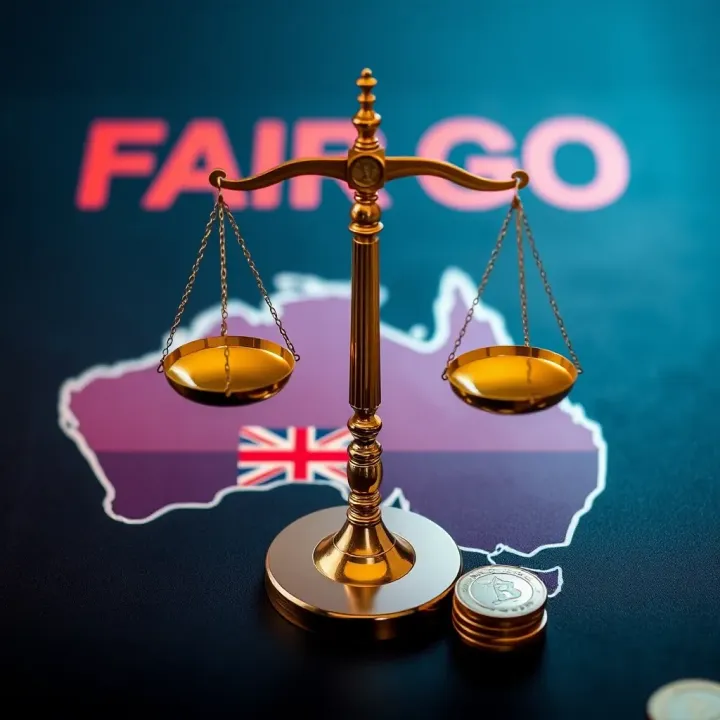
Explore the fair go concept 🇦🇺—a key Aussie value promoting equal opportunity, justice, social unity, and its challenges shaping policies and daily life today.

Explore how the Aussie 'fair go' shapes fairness, respect, and equal opportunity at work and in life 🇦🇺 Plus, see the challenges it faces today.

🗣️ The Fair Go Forum offers Aussies a spot to discuss important social, economic, and political matters, shaping community views and policy changes together.
Based on 11 reviews