

Understanding DOD Deposit Codes for Fair Go Casino
💰 Learn how DOD deposit codes impact your Fair Go Casino transactions, ensure smooth deposits, and get tips for quick verification and hassle-free payments.
Edited By
Ava Mitchell
Fair Go deposit codes are unique identifiers linked to rental security deposits, designed to simplify and secure the handling of tenants' money during leasing agreements. These codes act as a digital receipt and tracking tool, giving tenants and landlords clear proof and details of the deposit transaction.
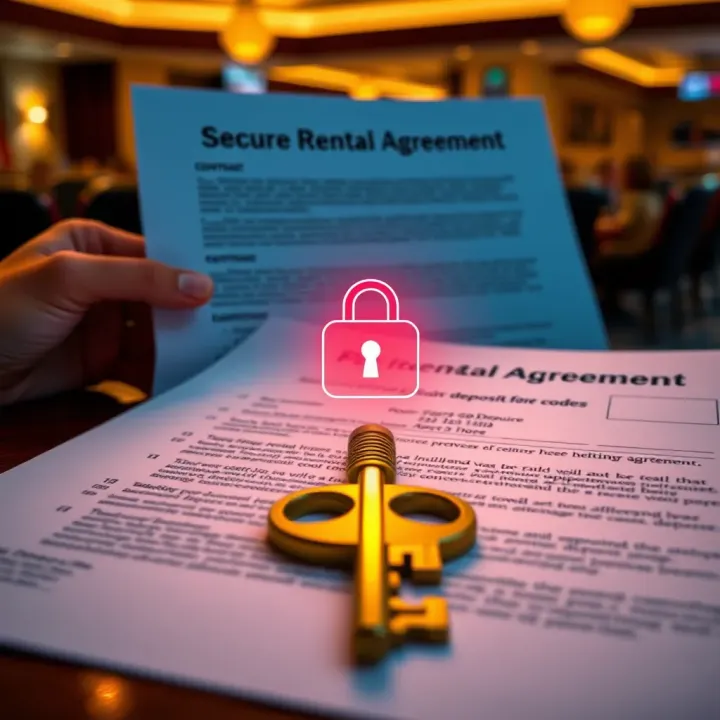
Fair Go deposit codes help:
Ensure transparency: Both parties can track and verify deposits remotely.
Prevent disputes: Clear records reduce misunderstandings over amounts paid or refunded.
Speed up processes: Using codes streamlines communication with rental authorities and banks.
Imagine a teacher renting an apartment and the landlord provides a Fair Go deposit code with the initial payment. This code confirms the deposit is safely held, preventing the landlord from misusing the funds.
Once a tenant submits a security deposit, the landlord or property manager registers this payment through an authorized platform that issues the deposit code. This code is then shared with the tenant, typically via email or text. Tenants can check this code online to verify the deposit’s status.
For example, an accountant moving to a new rental can use the code to confirm the deposit was lodged properly before signing the lease.
Here’s the basic process:
Tenant agrees to pay the deposit.
Landlord pays the deposit into the designated holding account.
System generates a unique Fair Go deposit code.
Both parties receive this code as proof.
Tenant can verify the deposit anytime using the code.
Landlords should keep these codes handy for tax purposes and quick dispute resolution.
Keep your Fair Go deposit code safe—it's your proof that your money is protected.
Understanding how these deposit codes function prevents potential headaches and strengthens trust in rental transactions. Whether you're a retail worker renting your first apartment or an IT professional managing rental properties, knowing about Fair Go deposit codes makes the process smoother and safer.
Fair Go deposit codes are unique identifiers used to track rental deposits securely and transparently. These codes serve as a digital receipt linking tenants, landlords, and property managers to specific deposit transactions. By using such codes, all parties can confirm that deposit payments are properly recorded, reducing misunderstandings and disputes.
Deposit codes act like tracking numbers for rental deposits, making the payment process straightforward and accountable. For example, when a tenant pays a security deposit, the landlord provides a Fair Go deposit code that corresponds directly to that payment. This process allows both sides to verify that the deposit has been received and recorded correctly, which simplifies the rental setup.
In practical terms, deposit codes help landlords and tenants avoid the common pitfall where a deposit might get lost in bookkeeping or unclear records. These codes streamline transactions, especially in situations where multiple properties or tenants are involved, ensuring each deposit is linked properly to its rental agreement.

One major benefit of Fair Go deposit codes is transparency. These codes create an audit trail, so everyone involved can track where the deposit money is and how it’s handled. This reduces the risk of disputes over deposit refunds or misunderstandings about the deposit amount.
Security-wise, the codes protect against fraud by confirming the authenticity of deposit transactions through an official system. This makes it harder for bad actors—whether tenants or landlords—to fudge numbers or mishandle funds. For tenants, it means peace of mind that their money is accounted for, while landlords get a reliable way to manage deposits legally and efficiently.
Tenants use these codes as proof of their deposit payment. When signing a lease, providing the deposit code to the landlord or property manager ensures their deposit is recorded correctly. For landlords, these codes simplify deposit management by tying each payment to a specific tenant and property. It helps avoid mix-ups and makes refund processes cleaner.
Consider a landlord managing several apartments; without deposit codes, matching deposits to tenants can get messy, especially if payments come from various sources like bank transfers or payment apps. Deposit codes make this process exact and organized.
Property managers and rental agencies act as intermediaries who benefit significantly from deposit codes. They handle many transactions daily and need solid documentation for accountability. Deposit codes provide a clear system for tracking deposits without relying on paper trails or vague memory.
For agencies overseeing hundreds of units, the system cuts down administrative load. It ensures records stay up-to-date and accessible, preventing issues during tenant move-outs or property audits. They can easily verify that the deposit was paid, filed, and held according to regulations, which makes their jobs smoother and less prone to legal trouble.
The bottom line is that Fair Go deposit codes make rental deposits clear and secure. Tenants, landlords, and property managers all benefit from an organized system that keeps everyone accountable and protects their interests.
Understanding how Fair Go deposit codes operate gives tenants and landlords a clear edge in managing rental transactions smoothly and securely. These codes streamline security deposits by creating a unique identifier for each transaction, reducing confusion and helping to track payments easily. For tenants, it means transparency about where their deposit stands, while landlords benefit from simplified accounting and fewer disputes.
Obtaining a Fair Go deposit code usually starts online through trusted rental platforms or government-backed services. Typically, the landlord or property manager initiates the process by registering the rental property and tenant information. Once verified, the system generates a unique deposit code tied to that specific rental agreement. This process ensures each deposit is properly allocated and traceable, cutting down manual errors.
Several platforms provide these codes, mixing government portals and specialized rental management software. For instance, landlords using well-known services like Buildium or AppFolio can request deposit codes as part of their tenant onboarding workflow. These services integrate the deposit code generation automatically during the lease signing or deposit payment stage, making the entire process seamless.
Applying the deposit code is an essential step once the tenant pays a deposit. This code is included in rental agreements and payment records, linking the payment explicitly to the specific lease. It guides both landlords and tenants to correctly associate funds with the rental unit and agreement, acting like a digital receipt that’s hard to misplace.
Good record keeping around deposit codes not only eases reference but also supports dispute resolution if conflicts arise. Tenants should keep copies of agreements and receipts that clearly show the deposit code, while landlords should maintain a secure ledger or software record. This careful documentation proves valuable during lease break-ups or when it’s time to return the deposit, making the entire process more transparent and less prone to error.
Keeping deposit codes and their related documentation organized allows both parties to avoid common pitfalls and misunderstandings during the rental period.
By understanding how these codes are generated and used in agreements, both tenants and landlords can navigate deposit matters with greater confidence and security.
Verifying and managing Fair Go deposit codes is essential for keeping rental transactions smooth and trustworthy. These codes act as unique markers tied to security deposits, so making sure they're valid helps prevent fraud and confusion. Without proper verification, landlords might mistakenly accept invalid codes, and tenants risk losing their deposits. Proper management also simplifies tracking deposits, especially when handling multiple rental agreements.
To confirm a Fair Go deposit code's validity, landlords and tenants should reach out to the issuing service or platform, such as the official rental deposit schemes or authorized agencies. These providers maintain databases linking codes to specific deposits, making it straightforward to check whether a code is genuine and active. For example, a landlord receiving a deposit code from a new tenant can cross-check it with the issuing authority to ensure it matches the agreed deposit amount and tenant details.
This step is crucial because fake or expired codes can lead to legal headaches or lost funds down the line. Verification platforms often offer online portals or customer support lines, delivering quick answers without unnecessary back-and-forth.
Despite the systems in place, users sometimes hit snags verifying deposit codes. Codes might not match records due to data entry errors, delays in system updates, or even system glitches. Tenants might find their codes marked invalid if landlords haven't submitted the deposit properly, or if there’s a miscommunication between different agencies.
If verification fails, double-check all details like spelling, numbers, and dates. Contact the issuing service promptly to resolve discrepancies. In some cases, landlords may need to resubmit deposit information or request a reissued code. Staying proactive avoids disputes and keeps rental processes transparent.
Landlords handling several properties or tenants need a solid method to track deposit codes. Keeping a dedicated spreadsheet or using property management software can help link each code to the correct tenant, rental unit, and payment date. This reduces mistakes like applying a deposit to the wrong lease or overlooking refunds.
Regular audits of deposit records strengthen accountability. For instance, reviewing deposit codes monthly ensures none are expired, disputed, or unaccounted for. When combined with receipt tracking and signed agreements, this approach provides a clear paper trail that comes in handy during disputes or tax season.
Tenants benefit from tools that help them keep an eye on their deposits linked via Fair Go codes. Mobile apps and online portals often notify users about the status of their deposits—when they’re received, held, or refunded.
By monitoring these updates, tenants avoid surprises during lease renewals or move-outs. For example, a tenant who sees their deposit code flagged as pending can follow up early if a refund takes longer than expected. These tools empower renters to hold landlords accountable and confirm funds remain secure throughout the rental period.
Keeping Fair Go deposit codes verified and well-managed isn't just bureaucracy—it's a practical step to protect both tenants and landlords from costly mistakes and build trust in rental agreements.
Understanding the legal and practical aspects of Fair Go deposit codes is key to using them effectively in rental situations. These considerations help both tenants and landlords navigate the rules tied to deposits while ensuring fairness, transparency, and compliance with the law. By staying informed about regulations and best practices, parties can avoid common pitfalls like disputes or improper handling of deposits.
State regulations affecting deposit codes vary quite a bit across the country. For example, some states require landlords to hold security deposits in separate, interest-bearing accounts, while others have stricter rules on how soon deposits must be returned after a tenant moves out. When it comes to Fair Go deposit codes, these state-specific laws might dictate how deposit codes are issued, used, or disclosed. Being aware of these rules helps landlords avoid legal trouble, and it gives tenants confidence their deposits are protected under local law.
Rights and responsibilities of parties involved lay the foundation for deposit handling. Tenants must provide deposits using valid codes as part of their rental agreement, while landlords have the duty to secure these deposits properly and return them promptly, minus any legitimate deductions. Property managers acting on behalf of landlords also bear responsibility to follow these guidelines and keep clear records. Familiarity with these roles helps keep rental relationships transparent and reduces misunderstandings.
Common deposit-related conflicts usually revolve around disagreements about damage claims, cleaning fees, or late return of deposits. With deposit codes, disputes can also arise if codes are misused or if records don’t clearly match payment details. For instance, a tenant might claim a deposit payment wasn’t credited properly due to a coding error, leading to confusion and tension.
Clear documentation linked to deposit codes plays a critical part in resolving these issues swiftly.
Resolving issues involving deposit codes often requires open communication and thorough record keeping. Tenants and landlords should keep copies of all deposit code transactions and related paperwork. In case of conflicts, they can provide proof of payment and agreement terms to support their case. When negotiations stall, mediation services or small claims court offer paths to settling disputes fairly. The key takeaway is that understanding how deposit codes interact with refunds and complaints minimizes headaches for everyone involved.
💰 Learn how DOD deposit codes impact your Fair Go Casino transactions, ensure smooth deposits, and get tips for quick verification and hassle-free payments.

🎯 Looking for Fair Go deposit bonus codes in 2026? Discover current offers, how to claim them, key conditions, and smart tips for responsible punting in Australia.

Learn how Fair Go bonus codes work in 2026 🎰 Understand types, safe use, legal tips, and where to find reliable offers. Make the most of your promotions today!

🎰 Looking to make the most of Fair Go Casino's NDB codes? Learn how these codes work, spot valid ones, and boost your gameplay and bonuses effectively! 🔍
Based on 13 reviews