

Dick Smith Fair Go Book: Consumer Rights and Impact
📘 Discover how Dick Smith’s Fair Go Book reshaped consumer rights — boosting fairness, influencing policy, and spreading awareness across Australia’s business world.
Edited By
Oliver Hastings
Fair Go Australia, spearheaded by entrepreneur Dick Smith, aims squarely at pushing businesses to be honest and upfront with their customers. This campaign fights for the average consumer, making sure companies don’t cut corners or leave people in the dark about what they’re actually buying.
Dick Smith, known widely for his electronics business, brought his practical know-how and public profile to this cause. He's not just a figurehead—he actively highlights misleading practices and calls out companies that fail to play fair. For example, the campaign has challenged hidden fees in product pricing and questioned the authenticity of "Made in Australia" labels, shining a light on how these factors affect consumer choices.
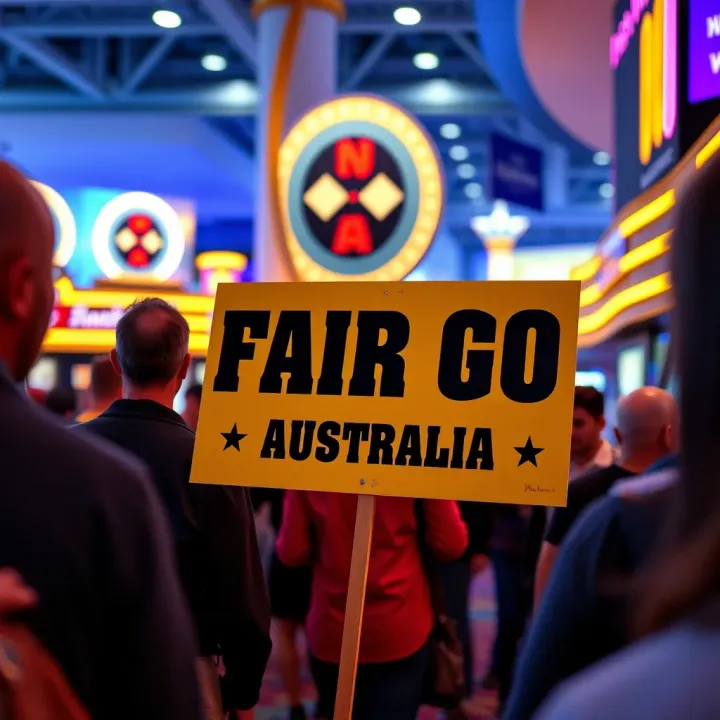
The push for transparency isn't just about fairness; it's also about empowering consumers to make informed decisions. When you walk into a store or shop online, knowing exactly what you’re getting and how much you’re truly paying changes the game. For retail workers and marketers, this means clearer communication to customers, which can actually build trust and loyalty instead of confusion.
Accountants and IT professionals might see this as a call to improve systems for tracking product origins and pricing clearly. It impacts how businesses report costs and how IT systems display product info across platforms.
Teachers can find real-world examples in this campaign for discussing ethics, consumer rights, and business accountability with students, making lessons more relatable and grounded.
Transparency in business isn’t just good ethics—it’s smart business. When customers trust what they buy, everyone wins.
Fair Go Australia targets unfair or unclear business practices.
Dick Smith uses his platform to expose and challenge these issues.
The campaign promotes clear pricing, honest labeling, and straightforward communication.
Impacts a range of professionals from retail workers to accountants.
Helps build trust between businesses and consumers.
Understanding the Fair Go Australia campaign brings practical insights into how consumer rights are protected and why transparency matters. Whether you’re buying, selling, teaching, or managing data, this movement sets a solid example of holding companies accountable and keeping the playing field fair.
The Fair Go Australia campaign plays a significant role in advocating for clearer consumer rights and transparency in today’s marketplace. It’s especially relevant as more American consumers face complicated pricing, unclear product origins, and sometimes misleading marketing. Understanding this campaign helps professionals across industries—whether you’re an accountant tracking product costs, an IT specialist dealing with data privacy, or a retail worker assisting shoppers—grasp why consumer advocacy matters.
Fair Go Australia was born out of growing frustration with the lack of transparency in product labeling and pricing, particularly concerning products marketed as "Australian" when parts or manufacturing actually occurred overseas. The campaign started when entrepreneur Dick Smith, well-known in Australia for his electronics business and advocacy work, decided to take a stand for honest consumer information. This originated from real cases where consumers believed they were supporting Australian jobs, only to find that wasn’t fully true. The campaign's origin highlights the need for businesses to provide straightforward facts about their products.
At the heart of Fair Go Australia lies a push for transparency and honesty in the marketplace. The campaign calls for clear product labeling—not just general claims but verifiable details about where products are made and assembled. Its goals include helping consumers make fully informed purchases, supporting local manufacturing, and holding companies accountable for misleading information. For example, businesses are encouraged to tell if components come from overseas, so consumers can factor this into their buying decisions.
The phrase "fair go" resonates deeply in Australian culture, reflecting a belief in fairness, equal opportunity, and respect. Unlike in the U.S., where consumer rights have a more individualistic bent, Australians often see a fair go as a communal value—ensuring that everyone gets a square deal. This spirit underpins the campaign’s push for transparency, saying it's not just about profit but about shared responsibility between businesses and consumers. For Americans, this idea emphasizes the balance between market freedom and ethical business practices.
Fair Go Australia isn’t just a slogan; it’s a call for ethical transparency that benefits both consumers and businesses by building trust.
Understanding this campaign’s foundation gives you a clear picture of why many consumers demand honesty in product information and how markets can evolve for the better. It’s a reminder that clear, truthful communication benefits everyone—from manufacturers and retailers to consumers browsing the aisles or shopping online.
Dick Smith’s involvement with the Fair Go Australia campaign has been central to its growth and influence. His public profile combined with a history of entrepreneurship created a platform that could clearly voice consumer concerns. Smith didn’t just lend his name; he actively steered discussions about transparency and fair business practices in Australia, pushing the campaign from a local issue to a nationwide dialogue.
Dick Smith is best known for founding Dick Smith Electronics, an iconic Australian retail brand that transformed consumer electronics shopping locally. Starting in the late 1960s, he built a business that emphasized affordability and customer knowledge, setting standards that many competitors struggled to match. This hands-on experience dealing with customers and suppliers gave him a real edge when it came to understanding the challenges Australians face in the marketplace.

His ventures extended beyond retail. Smith was involved in aviation and even aerospace projects, which showcased his ability to manage complex enterprises under public scrutiny. This background also fueled his confidence to speak out on broader economic issues, including how foreign imports and corporate practices impacted local jobs and consumer choices.
Smith's time running a retail giant revealed firsthand the gaps in product transparency and honesty from manufacturers and importers. He noticed how product labeling and pricing often confused rather than informed customers. These insights made Smith an outspoken advocate for clearer information and fair competition, which later shaped the platform of Fair Go Australia.
He also used his experience to highlight the importance of supporting Australian-made products to keep jobs at home. Smith’s approach was practical: rather than vague calls to patriotism, he presented data and case studies demonstrating how consumer choices could influence local industry survival.
In Australia, Dick Smith holds a reputation as a no-nonsense entrepreneur who cares about everyday consumers. His grassroots background contrasts with other business figures perceived as out of touch. Smith's direct communication style and history as a self-made businessman endeared him to many Australians tired of corporate spin.
This credibility proved crucial in recruiting supporters for the Fair Go campaign. His influence extended into mainstream media, where he frequently appeared to discuss consumer rights and transparent business practices. Smith’s voice gave the movement legitimacy, attracting attention not just from shoppers but political figures and business leaders as well.
Smith launched Fair Go Australia because he saw an urgent need for transparency and accountability in the marketplace. The campaign aimed to expose misleading pricing, unclear product origins, and unfair business actions that left consumers at a disadvantage. His motivation wasn't just economic but ethical, focusing on fairness as a core Australian value.
To raise awareness, Smith used media appearances, public talks, and authoring articles that broke down complex consumer issues into relatable terms. This helped the campaign gain traction beyond niche circles, tapping into the general public's frustration with confusing labels and pricing tricks.
Moreover, Smith pushed for partnerships with established consumer groups like Choice Australia and mainstream media outlets to spread the message wider. By working alongside trusted organizations, the campaign strengthened its voice and credibility, influencing retailers and politicians to pay closer attention.
Dick Smith’s entrepreneurial roots and straightforward advocacy style turned Fair Go Australia into a well-known campaign, emphasizing practical fairness and consumer clarity across the country.
The campaign's collaboration with consumer watchdogs and journalists created a network that could hold brands accountable, promoting changes that genuinely benefited everyday Australian shoppers.
Fair Go Australia targets the problem of unclear product labeling and pricing. Many consumers struggle to figure out what they’re actually paying for when shopping. For example, some labels fail to clearly state where a product is made or include hidden fees that pop up at checkout. This lack of clarity can mislead shoppers and makes it tough to compare products honestly.
Efforts to boost pricing fairness focus on educating consumers about their rights and what true price transparency means. The campaign pushes for straightforward labels and pricing that reveal the total cost upfront, cutting out unexpected charges or confusing fine print. This approach helps people make smarter choices and trust what brands are offering.
Imported goods often flood the market, putting pressure on local manufacturers. This can result in factories closing and jobs vanishing from communities, affecting not just workers but the wider economy. For instance, when cheap imported electronics dominate shelves, smaller Australian makers can’t compete on price alone.
Fair Go Australia encourages shoppers to support products made domestically, reinforcing the value of Australian-made goods. By choosing local, consumers play a part in sustaining jobs and preserving skilled labor. The campaign highlights real stories of businesses that have kept their doors open thanks to conscious buying decisions.
The campaign demands brands and retailers be upfront and honest about their products and business methods. This means no misleading ads, no hiding harmful practices, and clear communication about sourcing and manufacturing. For example, companies are encouraged to avoid vague claims like “natural” or “eco-friendly” without proof.
When businesses ignore consumer interests, there should be consequences. Fair Go Australia supports measures like tougher regulations and public exposure for companies that mislead customers or neglect ethical standards. This not only protects shoppers but promotes a fair market where responsible companies can thrive.
Transparency and accountability aren’t just buzzwords here; they’re the foundation of trust between consumers and businesses. Fair Go Australia takes a stand to ensure that trust doesn’t get broken.
In summary, these key issues lie at the heart of what Fair Go Australia fights for, aiming to create a marketplace where consumers are informed, local jobs are supported, and businesses play fair with their customers.
The Fair Go Australia campaign has significantly shifted the way consumers and businesses interact across the country. It brought transparency front and center, compelling businesses to be more upfront about product origins and pricing. For consumers, this means better-informed decisions and a stronger voice in the marketplace.
Consumers have become increasingly aware of where products come from, thanks largely to Fair Go Australia's focus on clear labeling and education. Almost overnight, the phrase "Made in Australia" became more than a marketing tag—it turned into a symbol of trustworthiness and quality for many shoppers. For instance, grocery shoppers now often check packaging to confirm if fresh produce and goods are locally sourced, understanding the impact this has on both the economy and environmental footprint.
This awareness isn't superficial. Surveys have shown a steady rise in Australians actively seeking out local products when possible. That knowledge empowers consumers by helping them avoid misleading product claims and helps them support industries that sustain local jobs.
The campaign encouraged a noticeable shift in consumer buying habits, steering many to choose Australian-made goods over cheaper imports. Small businesses, particularly in rural areas, saw a boost in sales as customers responded to the call for a fair go to local manufacturers. For example, a midwest furniture maker reported increased inbound orders after consumers started prioritizing products made within the country, partly influenced by the campaign's messaging.
This shift goes beyond patriotism; it’s practical. Local products often offer fresher, higher-quality options due to shortened supply chains. Consumers realize the added value of investing in goods that contribute directly to their community's economy and workforce.
Under the Fair Go Australia's spotlight, companies had to reevaluate their product information and marketing tactics. Many businesses began providing more detailed origin disclosures and transparent pricing breakdowns. A notable case is Bunnings Warehouse, which enhanced its labeling on tools and hardware to distinguish imports from Australian-made options clearly.
This transparency not only managed to retain customer trust but became a competitive edge. Businesses that ignored this shift often faced consumer backlash, leading to negative press and declining sales—showing how important it is to keep up with changing expectations.
One of the lasting impacts of the campaign was an industry-wide improvement in transparency standards. Retailers and brands started adopting clearer, more honest marketing that avoided vague terms like "local" or "handmade" unless verifiable. This led to a decline in greenwashing and ambiguous product claims.
What's more, marketing strategies began emphasizing authenticity and ethical practices. Companies like Patagonia and Australian brands such as Vegemite showcased their bona fide commitment to consumers by highlighting their supply chains and labor practices, which resonated well with an increasingly savvy customer base.
The bottom line is that Fair Go Australia didn't just nudge businesses to be clearer—it helped reshape an entire marketplace focused on fairness, honesty, and informed choice.
Understanding the challenges and criticisms Fair Go Australia faces is key to grasping its real-world impact. These obstacles reveal the complexities behind pushing for consumer rights and transparency in a market influenced by powerful business interests and regulatory systems.
Pushback against transparency demands: Many corporations, especially large international and domestic firms, resist calls for greater transparency. They argue that disclosing detailed pricing structures or product origins could hurt their competitive edge. For instance, some suppliers fear revealing manufacturing costs might lead to price undercutting by rivals. This pushback isn't just about hiding information—it’s tied to maintaining profit margins in a highly competitive market.
Economic arguments against protectionism: Opponents of Fair Go Australia's push for supporting Australian-made products often raise economic concerns about protectionism. They argue that raising barriers for imported goods can lead to higher prices for consumers and reduced product variety. The debate mirrors broader global trade discussions, where promoting local industry clashes with free-market competition. Critics point to situations where tariffs or nationalistic purchasing campaigns ended up hurting consumers more than helping local businesses, making this a thorny issue for the campaign.
Barriers to wider consumer engagement: Despite its visibility, Fair Go Australia struggles to engage a broad consumer base consistently. Many everyday shoppers remain unaware or indifferent to the campaign’s messaging. This gap partly arises from competing narratives, marketing noise, and a general skepticism about whether individual consumer choices can drive systemic change. For example, a busy professional prioritizing convenience might not weigh product origin heavily when making quick purchases.
Regulatory hurdles and political factors: Political support and regulatory frameworks play a crucial role in the campaign's effectiveness. However, there are notable obstacles like insufficient government backing and complex trade agreements that limit how far regulations can push transparency or preference for local goods. Moreover, lobbying by multinational corporations can slow reforms aimed at protecting consumer interests, leaving campaigns like Fair Go Australia to navigate a tangled web of political interests and legal constraints.
The bottom line is that tackling these challenges head-on will be vital for Fair Go Australia to maintain momentum and widen its influence among consumers and policymakers alike.
📘 Discover how Dick Smith’s Fair Go Book reshaped consumer rights — boosting fairness, influencing policy, and spreading awareness across Australia’s business world.

🤝 Explore the Dick Smith Fair Go Manifesto, its focus on fairness, competition & impact on Aussie business culture, highlighting core values and practical effects today.
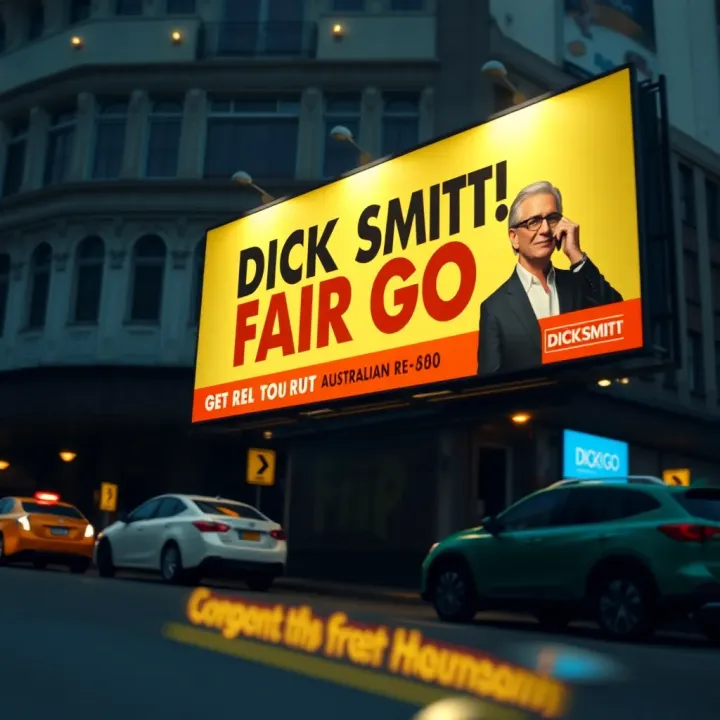
🇦🇺 Explore the Dick Smith Fair Go ad campaign — how it boosted consumer trust, defended shoppers, and earned its spot in Aussie retail culture with a fair dinkum approach.

Explore how 'a fair go' shapes Aussie values of fairness, opportunity, and equality in work, education, and social policies, reflecting the country’s diverse culture 🤝
Based on 12 reviews